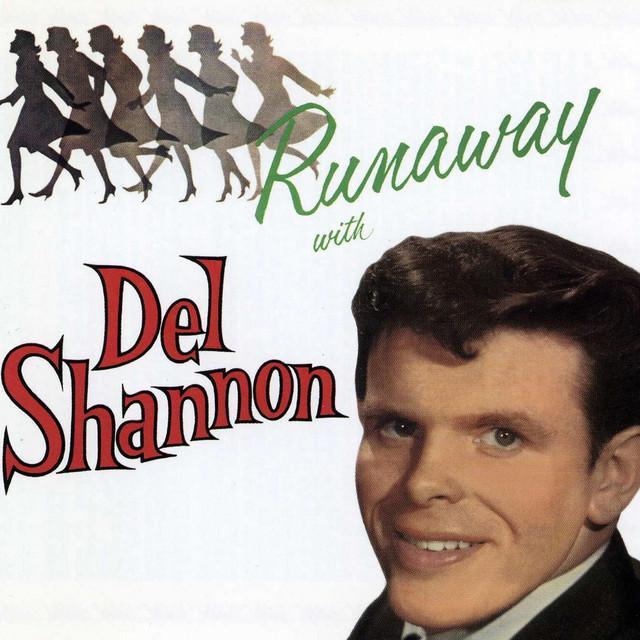
Why Del Shannon's 'Runaway' Still Hurts
The meaning of Runaway Del Shannon starts with a simple scene: someone is left alone, replaying a love that seemed solid only moments ago. The song is not complicated on the surface. A young man walks, remembers, aches, and asks why she left. But its power comes from how that plain story is sung and scored.
"Runaway" - Del Shannon
A-what went wrong with our love
A love that was so strong
Loading lyrics...
Unable to load lyrics
We're unable to display the lyrics at this time. Please try again later.
Released in 1961, "Runaway" became a No. 1 hit in the United States for four weeks and one of the defining heartbreak singles of early rock and roll. That success matters because the song connected a teen romance story to a much bigger feeling: the panic of losing control.
The Real Heart of the Song
At the center, the song is about abandonment without closure. The singer does not describe a dramatic fight or betrayal in detail. Instead, they are trapped in the aftermath, asking what happened to a love that once felt secure.
That is why brief phrases like what went wrong
and she ran away
hit so hard. They do not explain much, and that is the point. The singer does not know enough to tell a full story. They only know the result: the relationship is broken, and the other person is gone.
Interpretation: The song’s emotional hook is not just sadness. It is confusion. They are grieving, but they are also searching for meaning in a breakup that still makes no sense to them.
Watch the official Runaway
music video
A Small Story Told in Motion
The verses keep the listener moving. The singer is not sitting in a room. They are out walking, still thinking, still circling the same hurt. That motion matters because it mirrors a mind that cannot settle.
The lyrics use a few clear images to build that mood. Rain, tears, and walking all suggest loneliness in public. The singer is surrounded by the world, yet completely alone inside it.
walkin' in the raintears are fallin'wishin' you were here
These lines turn emotion into weather and movement. The pain is not abstract. It feels physical, almost like the whole street shares in the breakup.
Why the Chorus Feels So Desperate
The chorus is built around obsession. The repeated wondering and stretched-out cries make the song sound like someone thinking the same thought again and again. The key phrase my little runaway
is especially revealing.
On one level, it sounds tender, as if the singer still loves the person who left. On another, it sounds possessive or childish, as if they are shrinking a real person into a romantic image they can hold onto.
Interpretation: That tension gives the chorus its bite. They miss her, but they may not fully understand her as a separate person with her own reasons. The song is told entirely from the abandoned side, so listeners feel the pain first and only later notice the limits of that point of view.
Sound That Makes Heartbreak Feel Futuristic
A big part of the meaning of Runaway Del Shannon comes from its sound. The record was written by Del Shannon and Max Crook, and Crook’s homemade Musitron gives the song its most famous musical moment. According to the song’s album history and recording notes, the single was cut at Bell Sound Studios in New York and produced by Harry Balk.
The Musitron solo is crucial. Instead of sounding warm and comforting, it sounds sharp, strange, and almost alien. That tone lifts the song above an ordinary breakup ballad. It makes heartbreak feel unstable, like the singer’s world has been knocked off its axis.
Producer Harry Balk also sped up the recording from its original key area, which helped give the final record its nervous energy. The result is a song that feels both sorrowful and urgent. They are not calmly reflecting on lost love. They are spiraling in real time.
Del Shannon's Voice Sells the Hurt
Del Shannon’s vocal is one reason the record still lands. He does not sing like someone trying to sound cool. His high, breaking tone makes the words feel exposed.
When he leans into repeated cries of I wonder
and the famous run of “why,” the performance turns private grief into something theatrical but believable. Early rock often prized direct emotion, and Shannon delivers that without sounding polished to death.
This helps explain the song’s huge reception in 1961. It hit No. 1 in the U.S. and the U.K., and it remained influential enough to earn later covers by artists from Elvis Presley to Bonnie Raitt. The song’s story is basic, but the performance makes it unforgettable.
More Than Teen Heartbreak
It is easy to hear "Runaway" as a teenage breakup song, and factually that is a fair reading. But its staying power comes from something wider: it captures the human need for answers after loss.
Almost everyone knows the feeling of replaying a relationship and asking the same question with no reply. The singer wants relief, but even more than that, they want sense. That makes the song timeless.
Final Take
The meaning of Runaway Del Shannon is the sound of heartbreak mixed with confusion, longing, and disbelief. Its rain-soaked images, looping chorus, and eerie keyboard line all point to one feeling: being left behind with no clear reason why.
That is why the song still feels alive. It does not solve the pain. It simply lets listeners hear what unanswered loss sounds like.
Disclaimer: This interpretation separates documented facts about the song’s release and production from critical reading of its lyrics and emotional meaning. Interpretations can vary from listener to listener.







