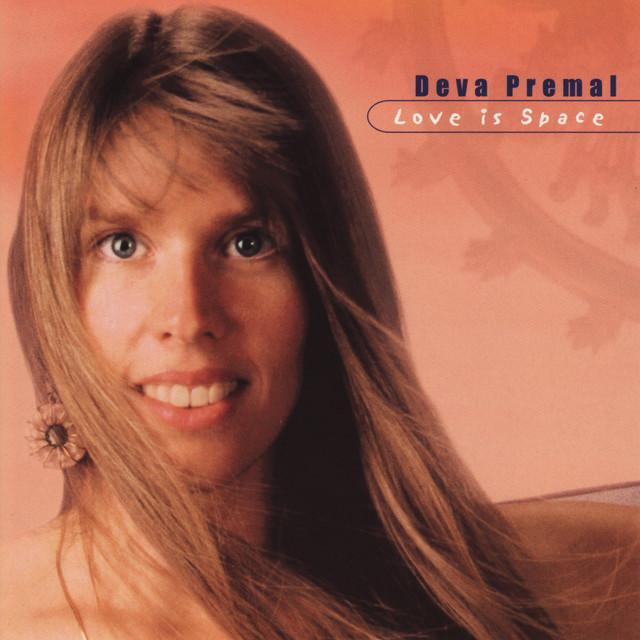
Why ‘Idé Weré Weré’ Feels Like a Prayer
The meaning of Idé Weré Weré Deva Premal starts with a simple truth: this is less a story-song than a spiritual chant. Its power comes from repetition, breath, and devotion. Rather than moving through verses with a plot, it circles around a sacred focus until the listener feels the meaning instead of just decoding it.
"Idé Weré Weré" - Deva Premal
Ide were were
Ide were were nita ochun
Loading lyrics...
Unable to load lyrics
We're unable to display the lyrics at this time. Please try again later.
Deva Premal is widely known for bringing mantra and sacred chant to global audiences through meditative recordings and live performance. In this track, they perform words tied to traditional spiritual language and to Ochún, also spelled Oshun, a revered orisha in Yoruba and Afro-diasporic traditions. That context matters, because the song’s emotional center is praise, presence, and reverence.
A Devotional Song, Not a Narrative
At the core, the song repeats Ide were were
and nita ochun
. Instead of advancing a storyline, those phrases create a ritual feeling. The listener is not meant to ask, “What happens next?” They are meant to stay inside the moment.
Interpretation: This makes the song feel like an offering. Repetition in sacred music often works by deepening attention. Each return to the central line can feel less like redundancy and more like another step into focus.
Because the lyric is brief, every phrase carries weight. When the chant returns to Ochún by name, it anchors the piece in devotion. The song does not explain the figure in plain language, but it does not need to. The repeated naming itself acts like praise.
Why Ochún Matters So Much Here
Ochún is a major orisha associated with rivers, beauty, sweetness, love, and fertility in Yoruba religion and related traditions. That broader background shapes how many listeners understand the chant. Even without a full translation, the invocation of Ochún points toward grace, blessing, and sacred feminine energy.
The line ocha kiniba
adds to that ceremonial mood. In context, it sounds formal and reverent rather than conversational. Another repeated burst, cheke cheke cheke
, brings motion and pulse, almost like the chant is stepping from stillness into embodied rhythm.
Interpretation: The song can be heard as both praise and welcome. It may be inviting the presence of Ochún, or honoring qualities associated with them: beauty, tenderness, healing, and flow.
How Deva Premal’s Style Shapes the Meaning
Deva Premal’s recordings often use uncluttered arrangements, warm vocals, and a slow-building meditative structure. That style changes how this chant lands. Rather than presenting it as a museum piece or a high-drama performance, they offer it in an intimate, calming frame.
That matters for the meaning of Idé Weré Weré Deva Premal. The production encourages surrender, not analysis first. Soft percussion, sustained tones, and layered voices can make a short text feel spacious. The result is that listeners may experience the song physically, through breath and rhythm, before they try to interpret it line by line.
Sound as Spiritual Meaning
A few musical choices carry a lot of weight:
- Repetition: builds trance, focus, and calm
- Steady pulse: gives the chant a grounded, ritual feel
- Gentle vocal delivery: keeps the mood inviting, not severe
- Minimal arrangement: leaves room for contemplation
In other words, the production does not decorate the message. It is the message. The sound teaches the listener how to hear the words.
Small Phrases, Big Spiritual Themes
Even the brief phrase nita ya
feels important because of where it sits in the chant. It acts like a turn or emphasis point, giving the repetition shape. Since the lyric is so compact, small shifts become emotionally significant.
Here are the main themes many listeners hear in the song:
- Devotion — the repeated naming suggests praise.
- Presence — the chant pulls attention into the now.
- Flow — rhythm and return echo water and movement.
- Healing calm — the performance invites release and softness.
Interpretation: One of the most compelling readings is that the song mirrors river energy. Because Ochún is closely linked with rivers in many traditions, the cyclical melody and repeated lines can feel like flowing water: gentle, steady, and spiritually cleansing.
Why the Song Connects So Deeply
Many listeners in the United States meet this track outside its original cultural setting, often through yoga, meditation, or healing playlists. That can make the song feel universal very quickly. But its roots still matter. The chant carries traditional spiritual associations, and those associations give the music depth beyond surface relaxation.
This is also why the song can feel emotionally strong despite having very few words. It does not rely on explanation. It relies on invocation. The listener hears a phrase, then hears it again, and the second time it often feels fuller than the first.
A Clear Take on the Song’s Meaning
So, what is the meaning of Idé Weré Weré Deva Premal? In plain terms, it is a devotional chant centered on reverence for Ochún and on the spiritual effect of repetition. It is about praise more than plot, presence more than narrative, and feeling more than direct explanation.
Interpretation: Some listeners may hear it as a prayer for blessing. Others may hear it as a meditation on feminine sacred energy, beauty, or emotional healing. Both readings fit the chant’s atmosphere and symbolic focus.
What remains most striking is how little the song needs in order to say so much. A handful of phrases, sung with care, become a space for stillness, respect, and connection.
Disclaimer: This interpretation is based on the lyrics provided, common associations with Ochún/Oshun, and Deva Premal’s performance style. Meanings in sacred or traditional music can vary across communities and listeners.








