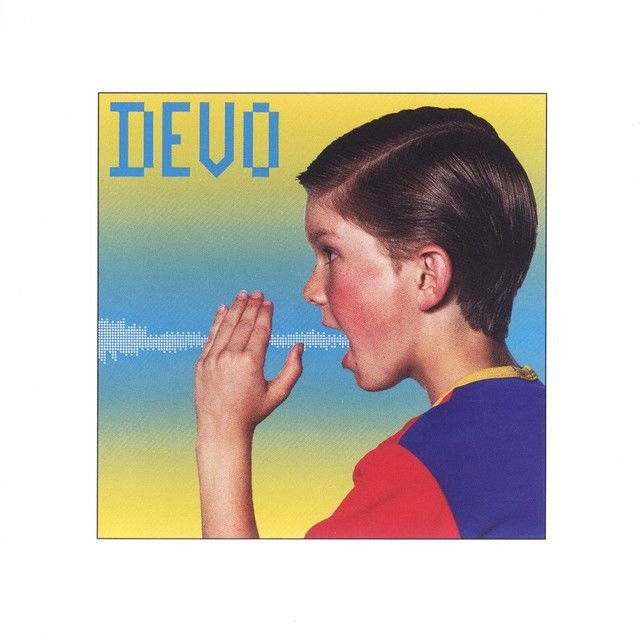
Puppet Boy by DEVO
DEVO turns a silly title into a sharp little drama about obedience, identity, and what happens when a person refuses to dance on command.
"Puppet Boy" - DEVO
Provided by LyricFindWake up puppet boy
Get up puppet boy
You've got a job to doLoading...Loading lyrics...
Unable to load lyrics
We're unable to display the lyrics at this time. Please try again later.
Why the meaning of Puppet Boy DEVO still hits
The meaning of Puppet Boy DEVO starts with a simple image: a figure pulled around by others. But this is DEVO, so the image is never just a toy or a joke. The song uses commands, mockery, and sudden pushback to dramatize a struggle between control and selfhood.
Factually, “Puppet Boy” was first released in 1984 on Shout, runs about 3:10, and was written by Gerald V. Casale and Mark Mothersbaugh. Fan-documented production notes also list DEVO as producer and note co-lead vocals by Jerry Casale and Mark Mothersbaugh, with Mark voicing the Puppet Boy character on parts of the track. Those details come from WikiDevo’s song entry, a useful band-focused archive of release information and credits.
The core idea is easy to hear even on a first listen. Someone is told to wake up, get moving, and perform. That person is supposedly “free,” but only within the limits of a master’s orders. The contradiction is the point.
Watch the official Puppet Boy
music video
A puppet, a worker, a performer
At the start, the song frames Puppet Boy as a controlled figure with a job to do
. The lyrics suggest duty before desire. Even when the speaker talks about freedom, that freedom is fake, because it only exists inside someone else’s rules.
That makes Puppet Boy more than a literal puppet. He can stand for:
- a worker managed by authority
- a performer pushed by an audience
- an individual shaped by social pressure
- anyone treated like a product instead of a person
Interpretation: DEVO often built songs around dehumanizing systems, and this one fits that pattern. The title character sounds small and comic, but the setup is bleak. He is expected to entertain and obey while being reminded that power sits elsewhere.
The lyrics turn orders into conflict
The verses are built from commands. The song keeps telling the character to listen, stand up, and start the show. One of the clearest lines points to public performance: people paid to watch him move. That detail matters because it shifts the song from private control to spectacle.
In other words, Puppet Boy is not just being managed. He is being displayed.
The repeated phrase strings attached
says this directly. It works as both puppet imagery and a common phrase for hidden control. DEVO uses that double meaning well. The character is not simply guided; he is trapped in conditions set by others.
Then the song suddenly opens into resistance. Puppet Boy answers back with lines like Don't tell me what to do
and I'm a boy not a toy
. Those moments are short, but they change the whole song. The object speaks. The puppet claims personhood.
The chorus makes small things feel dangerous
The hook sounds playful at first, but it is one of the darkest parts of the song. It keeps circling around little things that count
and “little” minds, views, and problems. DEVO suggests that small acts of control are never really small. They pile up.
That is why the chorus matters so much to the meaning of Puppet Boy DEVO. The song is not only about one bossy voice and one rebellious target. It is about how everyday pressures build a system.
Here is the song’s key idea in miniature:
Little problems little minds
Little points of view
Those lines do not just insult narrow thinking. They show how limited viewpoints can shrink a person’s life. A thousand little commands can become a full social machine.
How DEVO’s sound sharpens the message
“Puppet Boy” lives on Shout, an album known for heavy synthesizer use and a more digital sound. In this track, that electronic style helps the theme. The beat feels rigid, the keyboards feel bright and artificial, and the vocal performances feel theatrical.
That matters because the song is about the line between human movement and programmed behavior. The music often feels almost machine-made, which makes Puppet Boy’s rebellion more vivid. When the character pushes back, he sounds like a living presence breaking through a system.
The vocal split also helps. According to WikiDevo’s notes, Mark Mothersbaugh voices the Puppet Boy character, while Jerry Casale shares lead duties. That creates a mini-play inside the song: controller versus controlled, command versus protest.
Interpretation: The high-pitched or exaggerated delivery makes Puppet Boy sound vulnerable, cartoonish, and oddly human all at once. DEVO often used absurd voices not to weaken ideas, but to make them more unsettling.
Two strong ways to read the song
A show-business satire
One reading is that “Puppet Boy” targets entertainment itself. The character is told to do “brand new moves” because others paid to watch. In that view, the song mocks the pressure on performers to stay marketable, obedient, and strange enough to sell.
A wider social critique
Another reading is broader. Puppet Boy can represent anybody forced into a role by bosses, institutions, trends, or groupthink. DEVO’s larger body of work often critiques conformity, and this song fits that world neatly.
Both readings can be true at the same time. Show business may simply be the clearest example of a larger problem.
The real takeaway behind Puppet Boy
The meaning of Puppet Boy DEVO is not hidden very deeply, but it is richer than it first appears. Beneath the quirky title and synthetic bounce, the song is about what it feels like to be handled, watched, and reduced.
Its smartest move is letting the puppet answer back. Even in a world of strings, commands, and spectators, the song insists that the person inside the act is still there.
That tension is why “Puppet Boy” lasts. It is funny, nervous, mechanical, and defiant all at once.
Disclaimer: This interpretation is based on the released lyrics, documented song details, and DEVO’s broader artistic themes. As with most songs, listeners may hear meanings beyond the ones discussed here.








