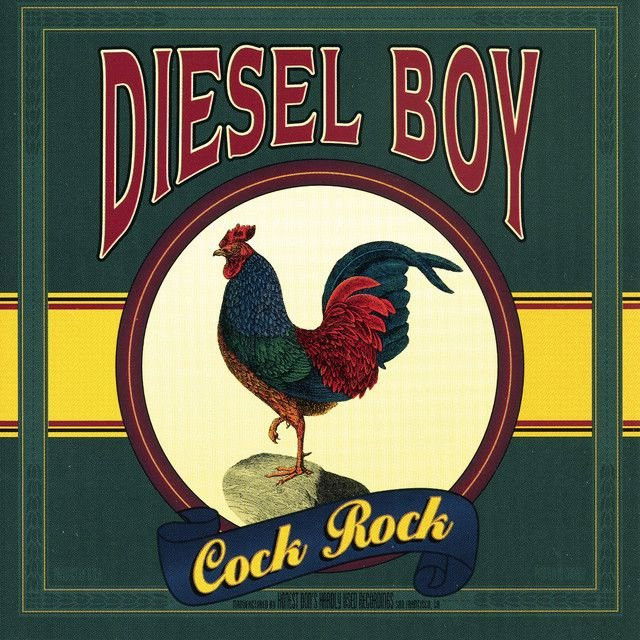
What 'Titty Twister' by Diesel Boy Really Means
The meaning of Titty Twister Diesel Boy starts with a joke, but it does not stop there. On the surface, this is a fast, rude, funny punk song about a person getting too drunk, getting insulted, and physically falling apart in public. Under that, it is also about embarrassment, bad decisions, and the strange pride of laughing at their own worst night.
"Titty Twister" - Diesel Boy
I can't believe the luck you have
It's not bestowed upon me
Loading lyrics...
Unable to load lyrics
We're unable to display the lyrics at this time. Please try again later.
Diesel Boy came from Santa Rosa, California, and formed in 1993. According to available band history, "Titty Twister" first appeared on their 1996 EP Strap on Seven Inch, and it later gained more attention through the Fat Wreck Chords compilation Survival of the Fattest. That context matters because the song fits the 1990s skate-punk world almost perfectly: quick, messy, sarcastic, and built to make disaster sound fun.
A Drunken Meltdown Told Like a Punchline
At its core, the song describes a night of intoxication and social collapse. The speaker is angry, jealous, dizzy, sick, and still asking for more. That contradiction is the joke. Even while everything is going wrong, they keep leaning harder into the chaos.
The clearest recurring image is my pants are falling down
. That line is funny because it is so childish and visual. But it also works as the song's main symbol. Their clothes are slipping, their body is failing them, and their dignity is gone too.
Interpretation: The song is less about one specific event than about the punk habit of turning humiliation into entertainment. Instead of hiding the ugly moment, the narrator makes it the whole show.

Watch the official Titty Twister
music video
The Chorus Turns Sloppiness Into Meaning
The chorus stacks physical details to show total loss of control. The room spins, the stomach reacts, and the body literally drops. The phrase the room is spinning around
pushes the scene beyond simple drinking and into full-on collapse.
That is why the chorus matters more than the insults in the verses. It reframes the song as a body-level experience. This is not just someone talking tough. This is someone losing the fight with alcohol, gravity, and self-respect all at once.
My stomach is making funny sounds
I'm falling down, I'm falling down
Those lines are blunt and cartoonish. They make the pain sound ridiculous, which is exactly how the song protects itself from becoming too serious.
A Narrator Who Knows They Look Ridiculous
One reason the track works is that the speaker does not sound noble. They sound petty, reckless, and half-aware of how bad they look. Early on, they throw out an ugly insult and complain about another person's luck. That bitterness makes the song feel immediate, like a bar argument caught in mid-spin.
Then comes the line about wanting another drink even though it might be dangerous. The short phrase another drink
matters because it shows the self-destructive loop. They know the night is already bad, yet they still want to push it further.
Later, another person lashes out and calls them worthless. The exact insult is exaggerated for comic effect, but the point is clear: this person is being rejected in public. Instead of learning from it, they answer with another request to keep partying.
Interpretation: That choice makes the song about denial as much as drunkenness. The narrator treats every warning sign as fuel.
Punk Humor, Not Confession
The meaning of Titty Twister Diesel Boy becomes clearer when placed in Diesel Boy's wider style. The band built its name in melodic punk with sharp jokes, goofy titles, and fast songs. Their early releases came through labels tied to the Fat Wreck orbit, and their later full-lengths on Honest Don's were produced by Ryan Greene, a major figure in 1990s punk recording. While this particular song predates some of those albums, it already shows the traits the band became known for: bright hooks, irreverence, and comedy used as armor.
That matters because listeners should not hear the song as a solemn confession. It is closer to a warped party anecdote. The singer presents failure in a way that invites laughter first and reflection second.
How the Sound Sells the Story
Even without heavy production details tied to this track, the style tells a lot. Diesel Boy's music sits in the punk/pop-punk lane: quick tempo, choppy guitars, shouted-sung vocals, and a hook that repeats until it becomes its own joke. That musical frame keeps the song moving too fast for shame to settle in.
The repeated chant of falling down
likely lands like a group shout, which is important. In punk, a humiliating personal story often becomes communal once the chorus hits. The crowd can yell along, and suddenly one person's bad night becomes everybody's laugh.
That is one of the smartest things about the track. The arrangement turns private embarrassment into shared release.
Alternate Ways to Read It
There are at least two fair readings of the song:
- Straight comic reading: It is simply a gross, funny snapshot of a drunken punk disaster.
- Slightly deeper reading: It mocks a scene where self-destruction is normalized and even celebrated.
The second reading has support in the lyrics because the narrator keeps choosing excess after every sign of trouble. They are insulted, dizzy, and sick, yet still ask for more. That pattern makes the song sound like satire, even if it never stops being silly.
Why the Song Still Connects
Part of the song's staying power is how little polish it has. It does not try to turn a bad night into wisdom. It just captures the ugly comedy of being a mess and knowing everyone can see it.
For fans of 1990s punk, that honesty feels familiar. Diesel Boy turned a cheap, chaotic scene into a memorable hook, and that is why the meaning of Titty Twister Diesel Boy still lands: it laughs at collapse without pretending collapse is glamorous.
Disclaimer: This interpretation is based on the lyrics, performance style, and documented band context. As with most punk songs, different listeners may hear the joke, the critique, or both.







