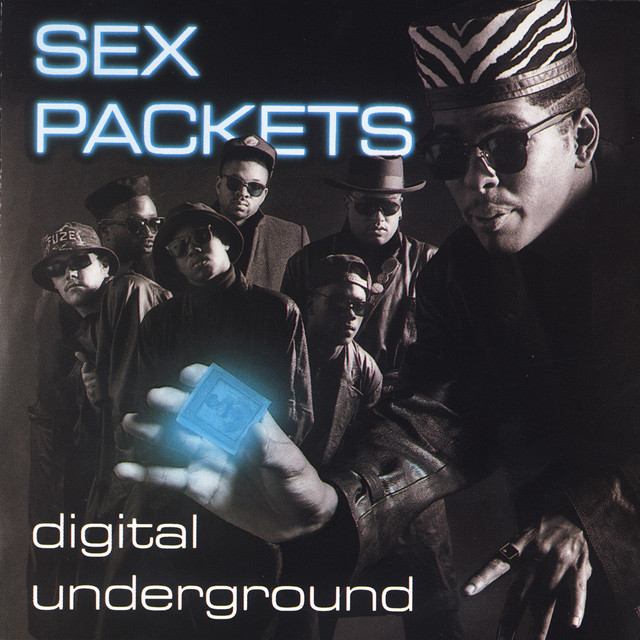
Doowutchyalike by Digital Underground
A Party Song With a Point
The meaning of Doowutchyalike Digital Underground starts with a simple idea: loosen up, enjoy yourself, and stop acting like social rules should control every minute of life. On the surface, the song is a goofy party record. It invites people to dance, eat, laugh, and be less self-conscious. But underneath the jokes, it also pushes a bigger message about freedom, unity, and resisting stiff behavior.
"Doowutchyalike" - Digital Underground
Ooh, I see guys and girls dancin', ooh, ooh
Now as the record spins around, you recognize this sound,
Loading lyrics...
Unable to load lyrics
We're unable to display the lyrics at this time. Please try again later.
Digital Underground came out of Oakland and built their style around funk, humor, and character-driven rap. According to their group history, they were heavily influenced by 1970s funk, especially Parliament-Funkadelic. That matters here because “Doowutchyalike” is not just written like a rap song. It feels like a live, messy, communal funk party where rules are bending in real time.
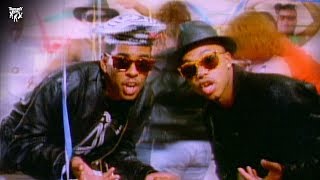
Watch the official Doowutchyalike
music video
What the Song Is Really Saying
At its core, the song tells listeners to relax and be themselves. The repeated hook, doowutchyalike
, works like a mission statement. They are not offering a careful political speech. They are turning freedom into something physical: dance how they want, talk how they want, move how they want.
The song keeps listing different kinds of people, different habits, and different backgrounds. That broad roll call matters. It suggests that the party is open to everyone, not just one class, race, style, or scene. When they mention people from different regions and social positions, they are saying the same thing in many forms: everybody belongs.
Interpretation: The song’s freedom is not purely individual. It is shared. Their version of “do what you like” only works because the crowd agrees to let other people be free too.
Humor, Chaos, and Controlled Nonsense
One reason the track still stands out is its comic tone. Digital Underground use absurd lines, fake mistakes, side conversations, and random images to make the song feel loose. A line like sometimes I don't rhyme
is a joke, but it also shows the group rejecting rap’s strict expectations. They can rhyme well; they are choosing to sound casual.
That choice fits Shock G’s wider style. Songfacts notes that the song introduced the group’s wild, hedonistic side and helped establish the playful world that later exploded with “The Humpty Dance.” In other words, this single was an early statement of identity: they were not trying to sound hard, severe, or polished in the standard way. They wanted spontaneity.
Just eat food
try not to be crude
kill the attitude
That short passage sums up the song well. First, it lowers the stakes. Then it gives one clear boundary: have fun, but do not ruin the mood. Freedom here is rowdy, not cruel.
Where the Theme of Unity Comes In
The track is often remembered as a party anthem, but it also carries a clear social message. They name different races, classes, and identities, then say it does not matter because everyone can get down together. That was meaningful in late-1980s hip-hop, when many groups were taking on serious political themes or building hard-edged street personas.
Digital Underground took a different path. Their message was not less serious; it was just delivered through funk and comedy. Songfacts quotes Shock G saying in a 1989 Melody Maker interview that people were too tense and too tightly wound. That comment helps explain the song’s purpose. The track is trying to break that tension.
Interpretation: Their inclusiveness sounds almost utopian, but it is grounded in the dance floor. They are not describing a perfect society. They are creating a temporary one inside the song.
How the Production Carries the Meaning
The music is a huge part of why the message lands. “Doowutchyalike” rides on thick funk energy, playful vocal layering, and a groove that feels open-ended rather than tightly locked down. The beat sounds like it could keep rolling forever, which matches the lyric idea of doing whatever feels right in the moment.
The production also pulls from a deep funk lineage. Songfacts identifies samples including tracks tied to George Clinton, Parliament, Chic, and other dance-oriented sources. That sample base matters because funk has long been music about release, body movement, and collective joy. Digital Underground are plugging their rap into that tradition.
Another detail makes the track feel ahead of its time: the piano break. Songfacts notes that it was one of the early rap songs to feature a piano interlude, played by Shock G as “The Piano Man.” That section adds a loose, band-like feel. Instead of sounding machine-made, the song feels social and improvised.
The Fade-Out Joke Tells You Everything
One of the smartest parts of the song comes late, when they joke about radio stations fading the record out after a few minutes while clubs can keep the beat going. That is more than a funny skit. It is a small rebellion against music industry formatting.
They are basically saying that the official version of the song is not the full experience. If radio needs a neat package, fine. But the real party keeps going. That gag turns form into meaning: even the structure of the track refuses limits.
A phrase like talkhowyalike
pushes that idea further. Not only should bodies be free; voices should be too.
Why It Mattered Then—and Still Does
Released in 1989 and later included on Sex Packets, the song was a moderate club hit before “The Humpty Dance” became the group’s bigger breakout. Still, “Doowutchyalike” was important because it introduced listeners to Digital Underground’s whole aesthetic: funky, weird, inclusive, and proudly unserious on the surface.
That surface can fool people. Yes, the song is juvenile in spots, and some lines are intentionally outrageous. But the lasting appeal comes from how joyfully it tears down social stiffness. The repeated image of guys and girls dancin'
is basic on purpose. They reduce life to the simplest shared act: people moving together.
In the end, the meaning of Doowutchyalike Digital Underground is about permission. Permission to be silly, to be seen, and to join the crowd without pretending to be cooler, richer, cleaner, or more proper than they are.
Final Take
Digital Underground turned a party chant into a worldview. Through funk grooves, jokes, and an open-door spirit, they made freedom sound communal instead of lonely.
This article offers an interpretation based on the lyrics, recording context, and available source material; like most songs, “Doowutchyalike” can support more than one reading.








