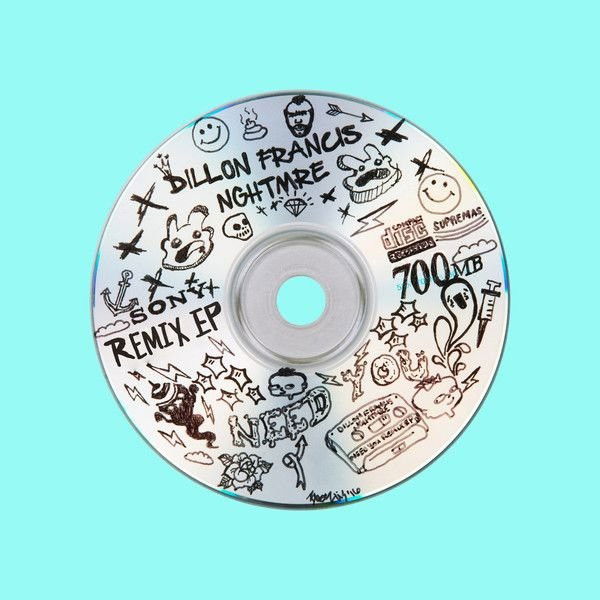
Need You by Dillon Francis, NGHTMRE
The meaning of Need You Dillon Francis, NGHTMRE starts with a very simple idea: longing made loud enough for a dance floor. The song does not tell a detailed story with many scenes or characters. Instead, it turns one feeling into a chant, then uses production and repetition to make that feeling hit harder.
"Need You" - Dillon Francis, NGHTMRE
I need someone
I need someone
Loading lyrics...
Unable to load lyrics
We're unable to display the lyrics at this time. Please try again later.
Dillon Francis and NGHTMRE are both known for high-energy electronic music, and their collaboration brought together two producers with strong festival reputations. Basic release and credit information appears on major music databases such as Spotify and Apple Music, while songwriting credits are commonly listed by publishers and performing rights databases. That context matters because this track works less like a confessional diary entry and more like a DJ weapon with emotion at its center.
The Core Message Hides in Plain Sight
At the center of the song is a direct plea: I need someone
and, even more specifically, I need you
. Paraphrased, the speaker is not just lonely in a vague way. They have narrowed their need down to one person, one presence, one missing connection.
That simplicity is the point. Instead of adding lots of detail, the song strips the feeling down to its most basic form. The repetition makes the emotion feel urgent, almost obsessive. A line said once can sound casual. A line said over and over sounds like a need that will not go away.
Interpretation: They seem to present emotional dependence in its rawest form. The song is not asking whether that need is healthy or unhealthy. It just captures the intensity of wanting someone near.

Watch the official Need You
music video
Why the Hook Feels Bigger Than the Lyrics
The hook does most of the emotional work. The repeated use of you, you, you
stretches out the feeling, as if the speaker cannot let go of the thought. In lyrical terms, there is not much complexity. In emotional terms, that is exactly why it lands.
Dance music often uses short vocal phrases because they become physical as well as verbal. A crowd can sing them. A drop can reinforce them. A simple line can turn into a shared emotional release.
I need someone
I need you
Those lines are plain, but in this setting they do not feel small. They feel huge, because the production keeps lifting them up and pushing them outward.
The Party Voice Changes the Meaning
One of the most interesting parts of the track is the hype-heavy section built around phrases like stand up, turn up
and buck wild
. Paraphrased, this part tells the crowd to get ready, move, and lose control.
On paper, that can seem disconnected from the emotional hook. But in practice, it changes the song's meaning. The personal need in the chorus gets dropped into a party environment. That creates a tension between private feeling and public release.
In other words, the song suggests that missing someone does not always happen in silence. Sometimes people carry that feeling into clubs, parties, and loud rooms. They dance through it. They shout through it. They turn vulnerability into motion.
Sound Design Turns Longing Into Momentum
A big part of the meaning of Need You Dillon Francis, NGHTMRE comes from how it sounds, not just what it says. Dillon Francis has long moved between moombahton, trap, and festival EDM, while NGHTMRE is especially associated with bass-heavy drops and crowd-focused arrangements, as shown across their catalogs on platforms like Beatport and Spotify.
Here, the production gives the vocal hook a blunt force quality. The beat does not decorate the words so much as hammer them in. The drop and rhythm sections turn need into propulsion. Instead of sinking under sadness, the song keeps moving.
That matters because it creates a dual feeling:
- emotionally, the song sounds needy
- physically, the song sounds powerful
- socially, the song sounds communal
That combination is why the track can feel both lonely and exciting at the same time. It is built for people who want catharsis without slowing down.
Two Strong Ways to Read the Song
Reading One: A Straightforward Desire Song
The most obvious reading is that this is about romantic longing. Someone is gone, absent, or emotionally out of reach, and the speaker keeps circling back to the same fact: they are needed. The lack of detail actually helps this reading, because it lets listeners fill in their own situation.
Reading Two: A Festival Anthem About Human Connection
Interpretation: There is also a broader reading. Because the song mixes intimate words with crowd-command language, it can sound like a track about connection itself. Not just one lover, but the need for contact, energy, and shared feeling. In that reading, come on
becomes more than a transition. It becomes an invitation to join in.
That second reading fits electronic music culture well. In live settings, songs often blur the line between personal emotion and collective release.
Why the Minimal Writing Works
This song is not aiming for poetic detail or narrative depth. Its writing is minimalist by design. The rhyme scheme is loose, and the structure depends more on repetition, call-and-response energy, and rhythmic phrasing than on verse craftsmanship.
That does not make it empty. It makes it functional in a very specific way. The song wants to catch one emotional state and magnify it until it fills a room.
For some listeners, that may feel too repetitive. For others, that repetition is the whole appeal. It mirrors how longing actually works: the mind returns to the same thought again and again.
Final Take on Its Emotional Pull
In the end, the meaning of Need You Dillon Francis, NGHTMRE is about urgency, desire, and the strange way dance music can make vulnerability feel massive. The song takes a basic emotional confession and turns it into a crowd chant.
That is why it lasts in the memory. It does not explain the feeling. It embodies it.
Disclaimer: This interpretation is based on the song's lyrics, sound, and artist context. As with any song, listeners may hear different meanings in it.








