Delete by DMA's: A Plea Against Losing Love
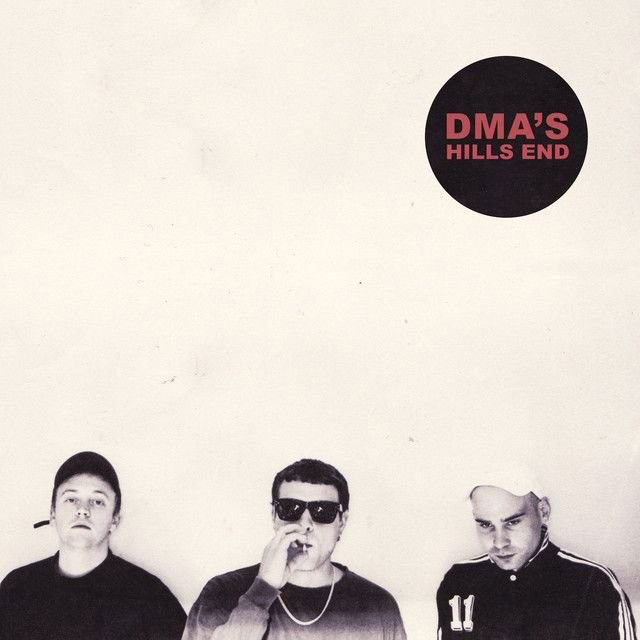
DMA's built their early reputation on songs that felt both huge and wounded, and the meaning of Delete DMA's sits right at that intersection. Released as the Australian band's debut single in 2014, the song later appeared on the self-titled EP and the album Hills End Wikipedia. It became one of their breakthrough tracks, reaching ARIA's Top 100 and eventually earning multi-platinum certification in Australia Wikipedia.
"Delete" - DMA's
Lucid as the air that blows and light, that shines
Just a way to figure out her when the night is long
Loading lyrics...
Unable to load lyrics
We're unable to display the lyrics at this time. Please try again later.
What gives the song staying power is simple: it turns emotional panic into a singalong. Even before listeners pin down every line, they can hear the ache in the repeated request not to let someone disappear.
What the Song Seems to Mean
At its core, “Delete” sounds like a plea to preserve a relationship, a memory, or even a fragile part of someone's identity. The key phrase Don't delete my baby
is not just about romance in a literal sense. It suggests fear of erasure—being cut off, forgotten, dismissed, or emotionally removed.
Interpretation: The word “delete” feels modern and cold. It carries the language of screens and data, but the emotion is deeply human. That contrast makes the song hit harder: love is being described as if it could be wiped away with one action.
The companion phrase don't defeat her now
broadens the meaning. This is not only about losing a partner. It may also be about protecting someone vulnerable from being crushed by life, shame, distance, or inner struggle.

Watch the official Delete
music video
A Narrator Trying to Hold On
The voice in the song sounds urgent but not aggressive. They are reaching outward while also trying to steady themselves. Early images of stars, sky, air, and light suggest someone searching for perspective in a confusing emotional moment.
When the lyric turns to rain and snow
, the song shifts from dreamy to physical. They imagine taking a walk through harsh weather to “figure out” the other person. In plain terms, they are trying to think clearly while stuck inside emotional bad weather.
That matters because the song never presents love as easy. It presents connection as something worth chasing even when understanding feels slippery.
Why the Chorus Feels So Desperate
The chorus is the song's emotional center because it repeats one fear in several forms: do not erase her, do not break her, do not let her disappear. Repetition gives the feeling of someone saying the same thing over and over because they do not know what else to do.
Don't delete my baby
In the quiet of nothing
to the hands of grace
That brief cluster captures the song's tension. First there is emptiness—“quiet of nothing.” Then there is a hope for mercy—“hands of grace.” The narrator seems caught between loss and rescue.
Interpretation: This could mean they are asking another person to stay. It could also mean they are asking life itself to spare someone they love.
The Self Beneath the Love Story
One of the most revealing lines is reflections of myself
. That phrase hints that the song is not only about another person. It is also about identity.
The idea seems to be that relationships mirror people back to themselves. If that person vanishes, part of the self goes missing too. That helps explain why the song's emotional stakes feel so high. The narrator is not just afraid of heartbreak. They may be afraid of becoming unmoored.
The repeated push to let it all out
supports that reading. Instead of suppressing emotion, the song leans toward release. It suggests that feeling deeply is painful, but silence may be worse.
Nature, Light, and Weather as Symbols
DMA's use a simple set of images, but they do a lot of work:
- Stars and sky suggest distance, wonder, and searching.
- Air and light suggest clarity the narrator wants but does not fully have.
- Rain and snow suggest isolation, discomfort, and emotional endurance.
- Diamond suggests lasting value under pressure.
- Door near the end suggests a final chance for connection.
These images make the song feel larger than a private argument. It becomes a song about trying to find meaning when someone important feels just out of reach.
How the Sound Carries the Message
Part of the meaning of Delete DMA's comes from its sound as much as its words. The track is widely described as part of a Britpop revival style, and listeners quickly compared the band to Oasis after the song broke through Wikipedia. That context matters because Britpop often pairs everyday emotion with big, open-sky melodies.
“Delete” works the same way. Its acoustic foundation and echoing vocal approach create intimacy, while the swelling arrangement gives the chorus a communal feel. The result is a song that sounds lonely and massive at once.
The performance also avoids neat resolution. The vocals feel raw around the edges, which suits lyrics about confusion, release, and pleading. Instead of sounding polished into certainty, the track keeps its emotional tremble.
Why the Song Connected So Strongly
As DMA's debut single, “Delete” introduced a band that could make nostalgia feel current. The song received strong exposure in Australia, including rotation on rage and triple j, and it later placed in Triple J's poll of Australian songs Wikipedia. Its chart life was modest compared with its long-term cultural footprint, which often happens with songs that become fan favorites first and radio staples later.
That lasting appeal likely comes from its openness. The lyrics are specific enough to feel intimate but abstract enough to fit many situations: a breakup, emotional burnout, fear for a loved one, or the sense that modern life makes human bonds feel disposable.
The Best Way to Read "Delete"
The strongest reading is that the song is about resisting emotional erasure. Whether the “baby” is a lover, a damaged person, or even a piece of the narrator's own heart, the message is consistent: do not give up, do not disconnect, do not reduce a living feeling to nothing.
That is why the song still lands. It wraps a very modern fear—being deleted—inside a timeless need to be seen, kept, and understood.
Disclaimer: This interpretation is based on the released lyrics, the song's sound, and publicly available release context. Like many DMA's songs, “Delete” remains open to more than one valid reading.







