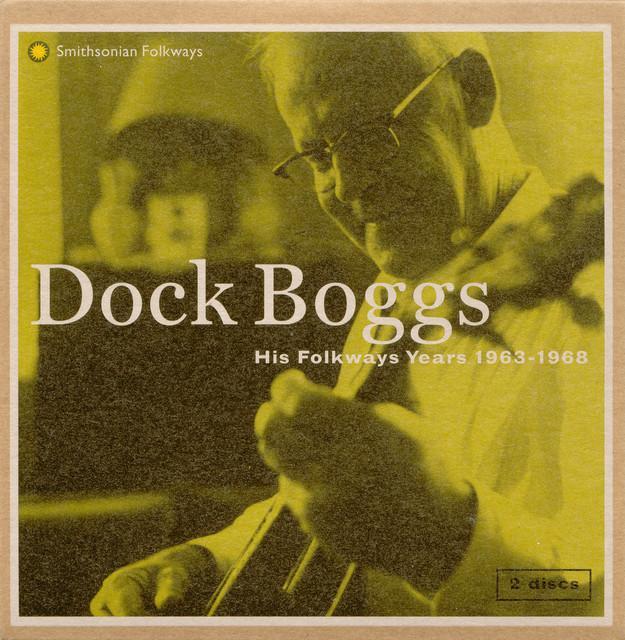
Down South Blues by Dock Boggs
A Homesick Song With a Sharp Edge
The meaning of Down South Blues Dock Boggs begins with a simple action: leaving. The singer heads for the station and wants the fastest train out. That movement matters because it is not just travel. It is emotional retreat, a desperate attempt to get back to a place that feels safe.
"Down South Blues" - Dock Boggs
Going to catch the fastest train that goes
I'm a-going back South
Loading lyrics...
Unable to load lyrics
We're unable to display the lyrics at this time. Please try again later.
At its core, the song is about heartbreak, disappointment, and the pull of home. The narrator believes the South offers more than better weather. It offers identity, memory, and protection from a world that has turned cold. When they say back South
, the phrase works like both destination and cure.

Watch the official Down South Blues
music video
The Story the Verses Tell
The plot is brief, but it unfolds clearly in stages. First, the singer decides to leave. Then they explain why: they are heartbroken and carrying the burden of the title phrase, down South blues
.
After that, the song widens. It recalls a childhood in a warmer place, described as somewhere snow it never fell
. That detail does more than set a scene. It contrasts comfort with discomfort, belonging with alienation.
Finally, the song ends with a warning from parents. The mother and father had already cautioned the singer not to leave and not to be fooled. That memory gives the song an added sting. The hurt in the present is made worse because it confirms an old fear.
What “Down South” Means Beyond Geography
On the surface, the song is about returning to the American South. But the idea of “South” carries emotional weight too. It stands for roots, family, and a version of life that feels more honest than the one the singer is leaving.
This is why the weather line matters. Saying weather suits my clothes
sounds casual, even witty, but it points to a deeper mismatch. The singer does not fit where they are now. Their body, mood, and spirit all seem out of place.
Interpretation: In that sense, the song is not just about region. It is about choosing familiarity over humiliation. The return trip becomes a way to reclaim self-respect after romantic or social betrayal.
Heartbreak, Shame, and Family Advice
The emotional center of the song is heartbreak, but shame also plays a major role. The singer is not only sad. They feel they have been misled. The parental warning about men making a fool of them suggests a story of romantic disappointment, but also a story about innocence meeting experience.
That is why the final verse lands so hard. The family voice enters late, almost like a conscience. It reminds the listener that the singer had been told to be careful. Now that advice echoes after the damage is done.
Oh, my mama told me
And my daddy told me too
Those two brief lines sharpen the song’s meaning. The speaker is not only running toward home. They are running back to people who saw the danger before they did.
How Dock Boggs’s Style Deepens the Meaning
Dock Boggs is remembered for blending old-time mountain music with the darker feeling of blues. The Smithsonian Folkways overview of his work notes his importance as a banjo player and singer in early American folk. That mix matters here.
A song like “Down South Blues” lives on tension. The words are plainspoken, but the feeling is heavy. Boggs’s banjo style, often stark and driving, gives songs a restless pulse. Instead of sounding polished or sweet, the music can feel wiry and exposed, which suits a narrator who is emotionally unsettled.
Their vocal delivery also matters. Boggs often sang with a raw, high, lonely tone. In a song about being broken-hearted and pulled homeward, that kind of voice can make the lyrics sound less like performance and more like testimony.
Tradition, Authorship, and the Song’s Place
The writing is often credited to Richard Boggs along with traditional material, which fits the song’s folk-blues feel. Many early rural songs moved between personal authorship and oral tradition. That makes “Down South Blues” feel both individual and shared, as if one person’s pain speaks for many people.
Context helps too. Boggs recorded in the early era of commercial rural music, when songs about travel, loss, work, and regional identity were common. The Encyclopaedia Britannica entry on Boggs places him within Appalachian and early country-blues history. In that setting, trains were more than props. They symbolized escape, change, and hard choices.
A Few Stronger Readings
There are at least two useful ways to read the song:
- Literal reading: The singer has been hurt up North or away from home and wants to return South.
- Interpretive reading: The trip home is also inward. It is a retreat to family values and personal dignity after feeling fooled.
Both readings work because the lyrics stay simple. The song never overexplains. Instead, it lets a few strong images do the work: the station, the train, the shoes, the weather, the parents’ warning.
Why the Song Still Connects
Part of the meaning of Down South Blues Dock Boggs is that home can feel most powerful when someone has lost it. The song captures that truth in a compact, memorable way. It turns homesickness into something larger: a response to heartbreak, pride, and regret.
Its staying power comes from that mix of plain language and deep feeling. They do not need many words to show a person who wants to outrun pain but can only do so by returning to where they began.
Disclaimer: This interpretation is based on the lyrics, historical context, and recorded style associated with Dock Boggs. As with many folk-blues songs, meanings can remain open to more than one reading.







