Why "Good Enough" by Dodgy Still Connects
The meaning of Good Enough Dodgy comes down to a simple but surprisingly rich idea: real happiness may not be perfect, but it can still be shared, chosen, and deeply satisfying. Dodgy turn that message into a bright Britpop single that feels easy on the surface and more thoughtful underneath.
"Good Enough" - Dodgy
I've been exposed to what I want to see
The fuse is burning somewhere it's drenched in heat
Loading lyrics...
Unable to load lyrics
We're unable to display the lyrics at this time. Please try again later.
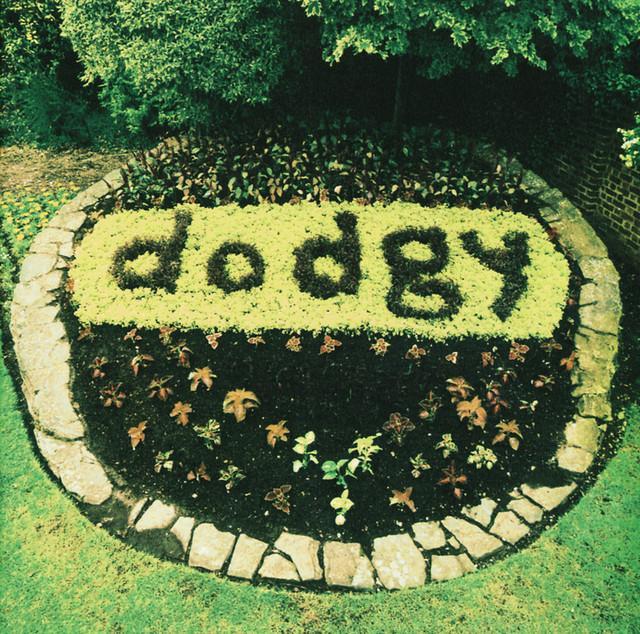
Released in 1996 from Free Peace Sweet, the song became the band’s biggest UK hit, reaching No. 4 on the UK Singles Chart and later earning a Gold certification in the UK. It was written by Nigel Clark, Mathew Priest, and Andy Miller, and produced by Hugh Jones. Those facts matter because the song sits right in the center of the Britpop era: catchy, melodic, and emotionally direct.
The Heart of the Song: Enough Can Be a Choice
At first glance, the hook sounds almost casual. The repeated idea of good enough for you
could seem like compromise or lowered standards. But in context, it feels warmer than that.
Interpretation: the chorus turns “good enough” into a statement of trust. If one person has found a way to live, love, or hope, the speaker is willing to join them. The line about it being good enough for two
gives the song its emotional center. This is not about private satisfaction alone. It is about shared ground.
That is why the song feels so open and singable. It takes a phrase that could sound dull and makes it feel generous.
Watch the official Good Enough
music video
Verses Full of Tension, Motion, and Desire
The opening images are not calm ones. The speaker has an ache, feels exposed, and senses pressure building. The phrase aching in my bones
suggests a deep, physical restlessness. This is not a passing mood. It feels lived-in.
Then the song shifts toward longing. They are drawn to a place or state that feels intense and necessary, shown by the image of a fuse burning. That image gives the verses urgency. Something is about to happen, or needs to happen, before the pressure becomes too much.
Interpretation: these lines suggest a person caught between discomfort and desire. They know what they want to see, but they have not fully reached it yet.
Two Sides, One Decision
One of the song’s strongest ideas is that there are choices everywhere. The lyric about always two sides
frames the song as a moment of judgment. The speaker knows life can be viewed in opposite ways: hope or cynicism, comfort or risk, heaven or hell.
That is why the line send me to hell
lands so strongly. It is sharp, funny, and rebellious. Rather than accepting a fake version of bliss, the speaker would rather choose something real, even if it is rougher.
This gives the song an edge beneath the sunshine. It is not blindly upbeat. It pushes back against empty promises.
The Chorus as a Shared Pact
The chorus works because it reframes the verses. After all the uncertainty, Dodgy return to a simple agreement. The repeated phrase is not surrender. It feels closer to a pact between people.
A helpful way to hear it is this:
If it’s good enough for you, it’s good enough for me
It’s good enough for two
Those lines are the emotional release of the song. After tension and division, the chorus offers togetherness.
Interpretation: this can be read as romantic, but it can also be broader. It may describe friendship, solidarity, or even a philosophy of life: stop chasing perfection and choose what is real, mutual, and possible.
Light, Bridges, and Bells
The song uses simple symbols to make that message feel larger. The instruction to stay in the light and keep focus suggests discipline and hope. The image of a bridge points toward crossing over from confusion into clarity. And the bell feels like a signal that a moment of change has arrived.
These are not complicated images, and that is part of the song’s strength. Dodgy use everyday symbols that listeners can grasp right away.
There is also a playful mystery in lines like wanting someone to “buy” the mind or in the strange last-verse turn. The wording is slightly slippery, which keeps the song from becoming too neat.
How the Sound Sells the Meaning
Musically, the track helps explain why the message feels uplifting rather than resigned. Recorded at Wessex Studios and produced by Hugh Jones, the song has the bright, clean confidence associated with mid-1990s British guitar pop. The guitars ring, the rhythm moves briskly, and the melody invites a group singalong.
That matters because the lyrics contain friction. Without the buoyant arrangement, the song could have sounded more doubtful. Instead, the band make uncertainty feel survivable.
The fuller production also supports the communal theme. With layered vocals, steady drums, keyboards, and horn touches in the wider album-era credits, the song sounds bigger than one person’s private struggle. It feels social, outward-looking, and built for connection.
Why It Endures
Part of the lasting appeal of the meaning of Good Enough Dodgy is that it does not preach. It offers a modest truth in a memorable way. Many songs promise greatness. This one suggests that shared “enough” may be wiser than lonely perfection.
That idea still travels well. In a culture that often pushes people to want more, the song gently argues for gratitude, perspective, and mutual understanding.
Final Take
“Good Enough” sounds joyful, but it is not shallow. Beneath the bright Britpop surface, Dodgy sketch a world of tension, choices, and emotional risk. Their answer is not perfection. It is companionship, clarity, and the brave choice to accept what is real.
That is the reading that makes the song endure: not as a song about settling, but as a song about recognizing when something meaningful is already in reach.
Disclaimer: Song meaning is always open to interpretation. This reading is based on the lyrics, the recording’s sound, and known release context.







