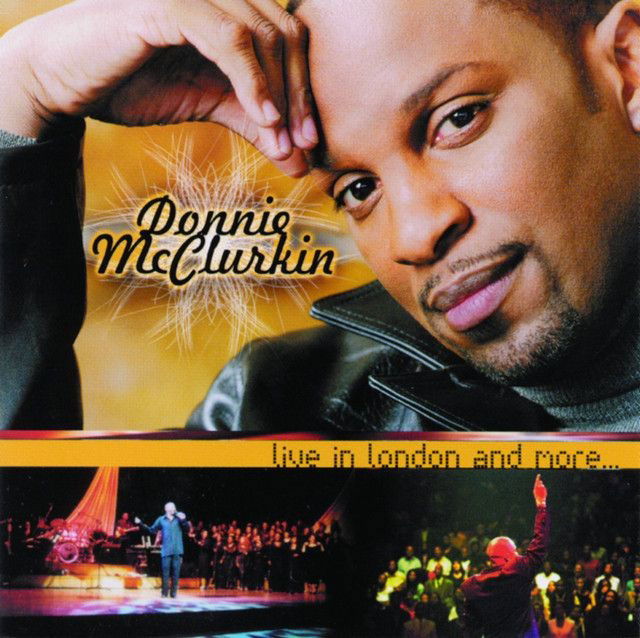
I Do I Do by Donnie McClurkin
A Simple Hook With a Big Spiritual Goal
The meaning of I Do I Do Donnie McClurkin centers on something direct but powerful: a believer finally slowing down long enough to tell God thank you, tell God they love Him, and admit they often ask for more before expressing gratitude.
"I Do I Do" - Donnie McClurkin
Did I tell you what you mean to me
Did I tell you how think of you when I think about eternity, oh my
Loading lyrics...
Unable to load lyrics
We're unable to display the lyrics at this time. Please try again later.
That plainspoken idea is what gives the song its force. Donnie McClurkin does not build the lyric around complex theology or heavy metaphor. Instead, they present worship as a personal conversation. The repeated questions are not signs of doubt. They are reminders. The singer knows what they feel, but they want to make sure God hears it clearly.
Watch the official I Do I Do
music video
Who the Song Is Talking To
This song may sound, at first, like a romantic ballad. It opens with affectionate language and a longing to remain close. But the details quickly place it in gospel territory. The singer connects love with eternity, blessing, and finally Calvary, which makes the addressee unmistakably God.
That shift matters. By using intimate language, the song frames faith as relationship, not just duty. When the singer asks if they have said enough, the real issue is spiritual neglect. They are not worried that God does not know. They are worried that they have not shown enough love back.
Gratitude, Then Conviction
One of the strongest themes is the gap between what God gives and what people return. The lyric says, in effect, that God keeps blessing them even when they cannot repay Him. It also admits that they keep asking for more.
That confession gives the song emotional honesty. Instead of pretending to be consistently thankful, the singer admits weakness. A short phrase like all the time you're blessing me
highlights the imbalance. God is constant; human gratitude is not.
Another key line, paraphrased, says they are usually begging and pleading. That sets up the song's turning point. Rather than coming to God with another request, they fall to their knees simply to say they love Him. In gospel music, that movement from petition to praise is deeply meaningful.
Why the Chorus Lands So Hard
The chorus repeats the same loving questions until they start to feel like vows. Phrases such as Did I tell you
and I do, I do
are simple, but repetition changes them. Each return sounds less like a casual statement and more like a public declaration.
Interpretation: The hook works because it turns worship into action. Love is not left as a feeling inside the heart. It is spoken out loud. In that sense, the title phrase is almost covenant language, like answering a call with a committed yes.
There is also a mild ache inside the chorus. The singer seems aware that love can go unspoken even when it is real. So the refrain becomes both praise and correction.
The Calvary Reference Changes the Song
Midway through, the song becomes even more clearly Christian when it points to Jesus' sacrifice. The brief mention of died on calvary
grounds all the earlier affection in the gospel story. This is not generic spirituality. It is worship shaped by the cross.
That moment deepens the message in two ways:
- It explains why the singer feels indebted.
- It raises the emotional stakes of gratitude.
- It turns praise into response, not just admiration.
A short multi-line section captures this movement:
How you first loved me
And that you're thinking of me
How you died on calvary
Before this, the song is thankful. After this, it becomes amazed. The singer is not only grateful for blessings in daily life. They are overwhelmed that divine love came first.
How Donnie McClurkin’s Style Shapes the Meaning
McClurkin is one of modern gospel's best-known voices, recognized for blending testimony, worship, and polished contemporary gospel arrangements. Their wider catalog often returns to themes of dependence, healing, and trust, as seen through their artist profile. That context helps here: "I Do I Do" fits their strength as a singer who can make devotion sound both personal and congregational.
The production, while not overloaded with lyrical detail, likely aims for warmth and lift rather than tension. That is typical of contemporary gospel ballad writing associated with songwriters like Kevin Bond and McClurkin. The steady chord movement, supportive backing vocals, and rising vocal intensity would all underline the song's central act: building from quiet reflection into open praise.
Interpretation: The song's repetition is not filler. In gospel performance, repeated lines allow emotion to deepen, the congregation to join in, and a statement of faith to settle into the body. That is part of why a phrase like never turn away
feels larger than it looks on paper.
A Few Key Ideas Working Together
The song's meaning is strongest when these themes are read together:
- Love for God should be spoken, not assumed.
- Gratitude should come before constant asking.
- Christian worship is rooted in God's love first.
- Closeness to God is described in tender, human language.
That is why the meaning of I Do I Do Donnie McClurkin is both devotional and corrective. It comforts listeners with the idea of divine love, but it also nudges them to answer that love more clearly.
Final Take on Its Message
At heart, "I Do I Do" is a worship song about finally saying what should have been said all along. It treats praise as a needed response to grace, blessing, and sacrifice.
For many listeners, its power comes from how unguarded it is. It does not hide behind big concepts. It just keeps returning to love, thanks, and surrender.
Disclaimer: This interpretation is based on the lyrics, gospel context, and publicly available artist information. As with all songs, individual listeners may hear additional meanings.







