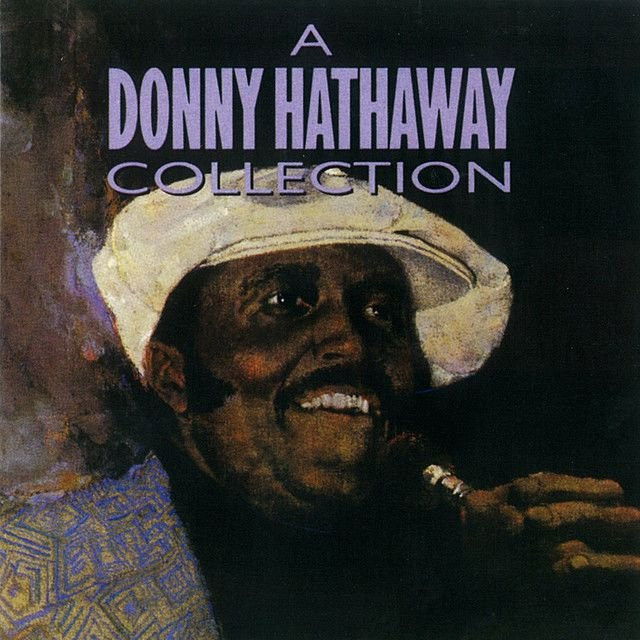
Why Donny Hathaway Owns 'A Song for You'
The meaning of A Song for You Donny Hathaway begins with a confession. This is not just a love song. It is a song about what happens when a performer stops hiding behind the stage and speaks plainly to one person who matters most.
"A Song for You" - Donny Hathaway
I've sung a lot of songs
I've made some bad rhymes
Loading lyrics...
Unable to load lyrics
We're unable to display the lyrics at this time. Please try again later.
Leon Russell wrote and first released “A Song for You” in 1970, and it later became one of the most covered songs of its era, with more than 200 recorded versions. But Donny Hathaway’s studio take and especially his live version helped turn it into a soul standard that many listeners now strongly associate with him. That legacy is widely noted in reference sources and histories of the song.[1]
A private confession inside a public life
At its core, the song contrasts public fame with private truth. The singer remembers a life spent in front of crowds, making art, making mistakes, and playing roles. Then the song strips all that away.
When Hathaway reaches the idea of being alone now
, the emotional setting changes. The spotlight fades. What remains is a deeply personal apology and declaration of love.
Interpretation: That shift is the heart of the song’s meaning. It says that public success does not matter much if the most important relationship has been damaged. The singer needs to be seen, not as a performer, but as a flawed human being.
Watch the official A Song for You
music video
The speaker is asking to be known fully
One of the song’s strongest ideas is that the other person sees past the image. The narrator admits they were not always kind and worries that the version of them known in public is incomplete.
That is why brief lines like treated you unkindly
hit so hard. They are simple, but they carry guilt. The song does not make excuses. Instead, it asks for understanding and forgiveness.
This also gives the song unusual maturity. Rather than saying love is perfect, it says love survives honesty. The speaker is not trying to sound impressive. They are trying to sound true.
What the verses reveal, step by step
The song unfolds in a clear emotional order:
- The singer recalls a life of performance and imperfection.
- They step out of the public role and address one person directly.
- They admit wrongdoing and emotional distance.
- They thank that person for teaching them how real love works.
- They end with a promise that their love reaches beyond ordinary limits.
That middle section is especially important. The idea that the loved one taught precious secrets
of real love changes the song from apology into gratitude. This person did not just forgive the singer. They helped them become better.
When words fail, the melody tells the truth
The song contains one of its smartest ideas: language can break down, but music can still reveal feeling. The narrator more or less says that if the message comes out imperfectly, the listener should hear the love inside the song itself.
if my words don't come together
listen to the melody
That moment explains why Hathaway’s version matters so much. He was an extraordinary vocalist, pianist, and arranger whose singing often carried emotional shades beyond the literal words. In his hands, the line feels almost like a mission statement: the performance itself becomes the confession.
Interpretation: This is why the song often feels bigger than a standard ballad. It is partly about the power of music to speak when ordinary speech cannot.
Why Donny Hathaway's performance changes the song
Hathaway recorded a studio version for Donny Hathaway, and his later live performance on Donny Hathaway Live became especially celebrated. Accounts of the song’s history often describe that live rendition as gospel-inflected, electrifying, and central to the song’s long-term reputation.[1]
His approach matters because he does not sing it like a polished pop ballad. He leans into breath, hesitation, and rising intensity. The piano gives the song a grounded, intimate center, while the soul and gospel phrasing make it feel almost like testimony.
The studio arrangement is also worth noting. Sources on the song’s recording history point to orchestral strings and woodwinds arranged by Arif Mardin, whose work added elegance without removing the pain.[1] That balance fits the lyric perfectly: the feeling is refined, but the wound is still open.
Love beyond time, but still rooted in memory
Near the end, the song reaches for love that exists beyond everyday limits. The famous line about loving someone where there is no space or time
gives the song its most timeless image.
But the ending stays human. Even while it speaks in almost spiritual terms, it asks to be remembered. The singer wants the relationship to outlast failure, fame, and even death. That makes the song feel both grand and deeply personal.
Interpretation: Some listeners hear this as romantic devotion. Others hear something wider: a performer speaking to a soulmate, a friend, or even an audience that truly understands them. Hathaway’s live delivery supports both readings because it feels intimate and communal at once.
Why this song still lasts
Part of the meaning of A Song for You Donny Hathaway is its honesty about performance itself. It understands that people create public versions of themselves. It also understands how exhausting that can be.
The song lasts because it promises that real love begins where the performance ends. Hathaway makes that promise sound believable. He does not just sing about vulnerability; he embodies it.
That is why so many great artists have covered the song, and why Hathaway’s reading remains a benchmark. He turns a beautifully written Leon Russell composition into a near-spiritual act of truth-telling.
Final takeaway
So what is “A Song for You” about? In the clearest sense, it is about apology, gratitude, and love stripped of ego. Donny Hathaway’s version deepens that meaning by making the song sound lived in, fragile, and transcendent all at once.
Disclaimer: This interpretation blends documented song history with critical reading of the lyrics and performance. Meaning can vary from listener to listener.







