Why 'Season of the Witch' Still Feels Unsettling
The meaning of Season of the Witch Donovan starts with a mood: something is off, and everyone can feel it. Donovan’s 1966 classic does not tell a clean story with a clear ending. Instead, it builds a world of suspicion, shifting identity, and social unease.
"Season of the Witch" - Donovan
Many sights to see
And when I look in my window
Loading lyrics...
Unable to load lyrics
We're unable to display the lyrics at this time. Please try again later.
That is why the song still lands today. It sounds cool and hypnotic on the surface, but underneath the groove is a deep sense of dread.
A Psychedelic Song With a Warning Inside
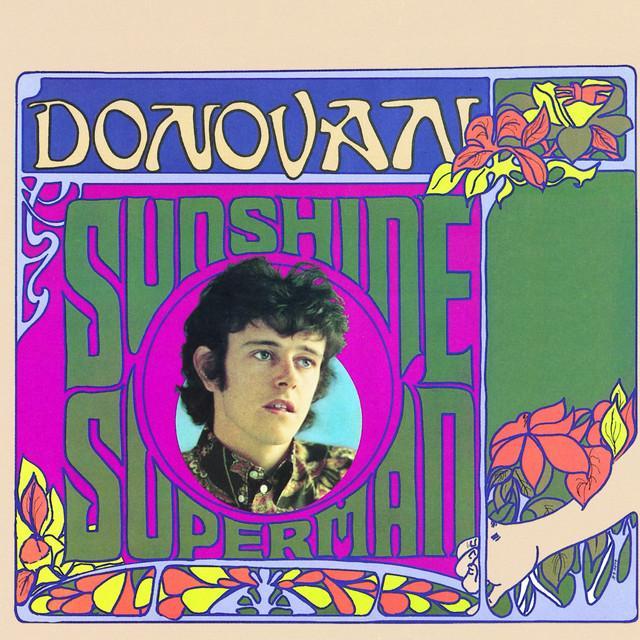
Factually, "Season of the Witch" was released on Sunshine Superman in 1966 and produced by Mickie Most. It is widely described as an early psychedelic rock landmark, blending folk rock and psychedelic pop elements. Research sources also note that it was recorded at CBS Studios in Hollywood during the Sunshine Superman sessions.
Interpretation: The song is less about magic than about a culture entering a strange new phase. The title phrase season of the witch
suggests a time when fear, temptation, and distorted thinking are in the air. A “season” is bigger than one person. It feels like a whole era has gone wrong.
That helps explain why the lyrics move between everyday images and eerie tension. Looking out a window should feel ordinary. Here, it becomes unsettling.
Watch the official Season of the Witch
music video
Windows, Mirrors, and a Fractured Self
Early in the song, the speaker looks outward, then inward. They see many sights outside, but inside there are so many different people to be
. That short line is one of the keys to the song.
Interpretation: Donovan seems to present identity as unstable. The person at the center of the song is not grounded. They do not just feel surrounded by strange people; they feel split within themselves.
This is one reason the song feels so modern. It captures the pressure to perform, adapt, and shift masks depending on the scene. In the mid-1960s, that could reflect the changing counterculture. More broadly, it reflects any moment when social life feels like theater.
Paranoia Follows Every Turn
Another major image is surveillance. The singer looks over their shoulder and sees someone else doing the same. The effect is almost comic at first, but then it becomes creepy.
A short phrase like look over my shoulder
turns a normal motion into a sign of fear. No one seems relaxed. Everyone is watching someone.
Interpretation: The song suggests a chain reaction of suspicion. In a tense cultural moment, people do not just become afraid; they become performers of fear. They copy each other’s caution, and soon paranoia becomes the atmosphere itself.
That reading fits critical responses that have described the track as dark, foreboding, and paranoid. It also fits Donovan’s later comments that the song caught a feeling that bohemian culture was changing in dangerous ways.
The Chorus Turns Anxiety Into Ritual
The repeated line pick up every stitch
is one of the song’s most mysterious moments. Taken literally, it sounds trivial. In context, it sounds obsessive.
Interpretation: The line may suggest cleaning up loose ends, staying alert, or trying to control chaos. Repeating it again and again makes it feel compulsive, almost like a warning chant.
Then the chorus lands on must be the season of the witch
. That move is important. The song does not explain the world in logical terms. It names the feeling instead. The culture has become uncanny, and this phrase gives that unease a shape.
Strange Animals, Beatniks, and Counterculture Decoded
The lyrics also include odd, fragmented details like rabbits running in the ditch
and references to beatniks trying to get rich. These are not random decorations.
Interpretation: The animal image feels nervous and low to the ground, as if instinct is taking over. The beatnik line points to a scene that once claimed freedom but now looks commercialized. If outsiders are chasing money, then the counterculture has already started losing its innocence.
That idea matches Donovan’s later reflection that darker forces were entering bohemian life. In brief, the song sounds like a warning that a supposedly liberated world can be corrupted from within.
How the Music Deepens the Meaning
Part of the meaning of Season of the Witch Donovan comes from the arrangement, not just the words. The song runs nearly five minutes, long for a pop single of its time, and rides a thick, repeating groove rather than a bright melodic rush.
The performance is built on a heavy, chugging rhythm and electric tension. Donovan later described playing a Telecaster on the track, while the session drew on local musicians to create the “rock-combo sound” he wanted. Research on the recording also highlights producer Mickie Most’s push for a loud bass presence, which helps explain why the song feels so physically ominous.
Interpretation: That groove traps the listener inside the mood. It does not resolve the tension; it circles it. This is a huge reason the song became such a strong jam vehicle for later artists. Its structure leaves room for dread to expand.
Why the Song Still Connects
The song has lasted because it captures a feeling that keeps returning in American life: the sense that society is changing fast, identity is unstable, and nobody fully trusts what they see.
Some listeners hear it mainly as psychedelic atmosphere. Others hear social commentary about the 1960s underground. Both readings can work. The song is powerful because it never closes itself off to one single meaning.
The Lasting Spell of Donovan’s Classic
In the end, the meaning of Season of the Witch Donovan is not about a literal witch. It is about entering a season of confusion, temptation, and fear. Donovan turns ordinary sights into signs that the world has become weirdly unsteady.
That is why the song still feels alive. It is not just eerie; it recognizes how quickly a culture can drift from freedom into suspicion.
Disclaimer: This article offers interpretation alongside verified historical context. Song meaning can remain open, and listeners may reasonably hear different shades of meaning in Donovan’s performance.








