Why "Ways to Be Wicked" Makes Villainy Sound Fun
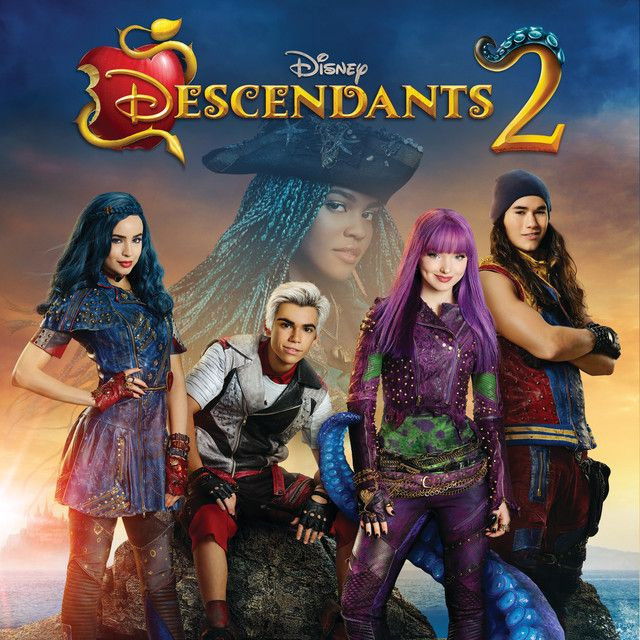
The meaning of Ways to Be Wicked Dove Cameron, Sofia Carson, Cameron Boyce, Booboo Stewart starts with a simple idea: this song turns rebellion into a group identity. In Descendants 2, the four singers perform as Mal, Evie, Carlos, and Jay, the children of famous Disney villains. Factually, the track was released in 2017 as the first single from the film's soundtrack, and it was written by Charity Daw, Grant Michaels, Josh Edmondson, and Sam Hollander, with Hollander and Edmondson also producing it (Wikipedia).
"Ways to Be Wicked" - Dove Cameron, Sofia Carson, Cameron Boyce, Booboo Stewart
W-I-C-K-E-D
We got all the ways to be
Loading lyrics...
Unable to load lyrics
We're unable to display the lyrics at this time. Please try again later.
What gives the song its spark is that it does not present evil as deep tragedy. Instead, it plays like a bold fantasy of mischief, power, and image-making. They are not quietly ashamed of their villain roots. They are performing them.
A Big, Bright Anthem About Choosing the Outcast Role
At the most basic level, the song is about embracing a “bad” identity before anyone else can define it for them. The chorus spells out W-I-C-K-E-D
, which makes wickedness feel like a brand, a chant, and a team uniform all at once.
That matters because the characters live between two worlds: the polished kingdom of Auradon and the rougher legacy they came from. The lyric idea behind right side of wrong
shows the song's core tension. They know society calls them trouble, but they flip that judgment into confidence.
Interpretation: Rather than saying they are truly evil in a realistic sense, the song dramatizes teenage defiance. It is about identity, style, and refusing to be absorbed into a perfect fairy-tale system.

Watch the official Ways to Be Wicked
music video
The Opening Scene Tells the Story Fast
In the movie context, this number opens Descendants 2 with chaos at Auradon Prep. According to the Descendants fan wiki summary, the sequence features enchanted apples and a school-wide outbreak of bad behavior before the film reveals that much of it is playing like Mal's imagined scenario (Descendants Wiki).
That twist helps explain the song's tone. It is larger than life on purpose. The kids storm in, reject polite rules, and present disorder as exciting theater.
Apple, apple
Dip, dip
Take a bite
Be bold
Those lines frame temptation as a dare. The apple image connects to fairy tales, especially poisoned fruit and dangerous choices, but here the point is less about literal evil than about changing the script.
How the Lyrics Turn Fairy Tales Upside Down
One of the smartest things in the song is how often it argues with the usual Disney promise of happy endings. When the singers mock happily ever after
, they are pushing back against a neat, controlled life.
The verses suggest that perfection is boring. Mischief adds flavor, drama, and agency. They do not want to stand nicely inside someone else's story; they want to rewrite it. That idea is stated clearly in the lyric about changing how the story gets told.
There are also specific allusions. Mal's opening complaint about not being invited echoes Maleficent's origin in Sleeping Beauty, a link noted by the Descendants fan wiki. Later, the line about a mother knowing best nods toward the controlling language associated with Tangled's Mother Gothel (Descendants Wiki).
These references matter because they show inherited villainy. The kids are not inventing their attitudes from nowhere. They are carrying family scripts, hearing those voices, and deciding what to do with them.
Who Is Speaking in the Song?
The voice is strongly collective. Again and again, the song says “we,” not “I.” That makes wickedness feel shared and social.
This is important to the meaning. A lone villain can sound threatening, but a group of friends sounds magnetic. Their chemistry turns bad behavior into belonging. They hype each other up, and the listener is invited to join the energy, even if not the actual morals.
Interpretation: The song is partly about the relief of finding people who understand one's background. Under the swagger, there is a need for community.
Production: Why It Sounds So Triumphant
Musically, “Ways to Be Wicked” blends pop with rock elements, a genre description supported by Wikipedia's song entry (Wikipedia). The beat is fast, the drums hit hard, and the chorus is built for shouting along.
That sound choice shapes the meaning. If these lyrics were sung as a dark ballad, they might feel scary or tragic. Instead, the production is punchy and glossy. The guitars and percussion push the song toward pep-rally energy.
The result is a deliberate contradiction: the theme is wickedness, but the emotional effect is exhilaration. They sound less like criminals and more like a team kicking open the gym doors at a championship game.
Why the Song Connected With Fans
The track had real reach beyond the film. It debuted in April 2017 ahead of Descendants 2, premiered through Radio Disney, and later earned major certifications, including Platinum in the United States and Silver in the UK (Wikipedia).
That success makes sense. The hook is simple, the attitude is playful, and the fantasy is easy to understand: break the rules, look amazing, and do it with friends.
It also helps that the cast sells every line. Dove Cameron brings command, Sofia Carson adds polish, Cameron Boyce gives the song bounce, and Booboo Stewart adds drive. Their shared performance keeps the track from feeling mean. It feels theatrical instead.
The Deeper Meaning Under the Mischief
In the end, the song is not really arguing that cruelty is good. It is dramatizing the appeal of rebellion for teens who feel boxed in by expectations. They turn the label “wicked” into style, humor, and power.
That is the lasting meaning of Ways to Be Wicked: it is a fantasy about taking control of the story before the story controls them. In a fairy-tale world obsessed with good behavior, they answer with noise, swagger, and a grin.
Disclaimer: This interpretation is based on the released song, film context, and publicly available credits. Meaning can vary by listener.








