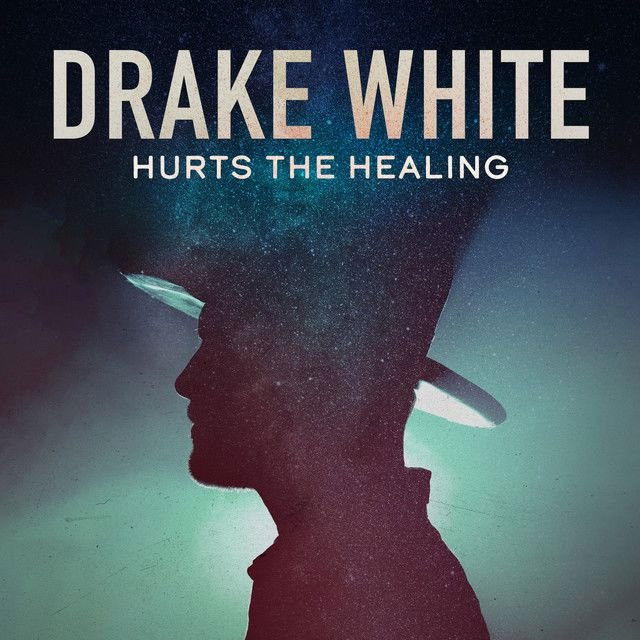
Hurts the Healing by Drake White
The meaning of Hurts the Healing Drake White centers on a hard but hopeful idea: pain may be doing hidden work. This song does not try to make suffering sound easy. Instead, it asks whether heartbreak, fear, failure, and loneliness can become the path toward growth.
"Hurts the Healing" - Drake White
Maybe tears don't fall for nothing
Maybe that river's rushing
Loading lyrics...
Unable to load lyrics
We're unable to display the lyrics at this time. Please try again later.
That question gives the track its power. Rather than saying healing arrives after pain is over, the song suggests healing may already be happening inside the pain itself.
A Country-Soul Song About Growth Through Pain
At its core, the song is about reframing struggle. The narrator moves through intense hurt, but they keep reaching for purpose in it. When the lyric wonders if tears are not wasted and if fear should be faced, it turns suffering into a teacher instead of just a wound.
That is why the title line matters so much. The repeated phrase Maybe the hurt's the healing
is not a neat answer. It is a statement of faith mixed with uncertainty. The singer does not fully understand the pain, but they believe it may still lead somewhere good.
Interpretation: This makes the song less about one breakup or setback and more about a whole life philosophy. It treats pain as a rough kind of grace.
Watch the official Hurts the Healing
music video
How the Verses Turn Suffering Into Meaning
Each verse adds a new kind of hardship. First come tears, fear, and whispered prayer. Then the song moves into loneliness, sorrow, and failure. After that, it reaches losing and the need for a second wind.
This pattern matters. The singer is not naming random bad feelings. They are building a ladder of struggle, showing how emotional pain, spiritual doubt, and public defeat can all become sources of strength.
A few short phrases carry that idea clearly: to baptize me clean
, fear / Is a friend
, and back to faith
. In each case, the lyric takes something uncomfortable and gives it a possible purpose. Tears become cleansing. Fear becomes a force that pushes honesty. Sorrow becomes a way back to belief.
The Chorus Is the Song’s Emotional Pivot
The chorus begins in raw hurt. The pain is unlike anything the singer has known, and heartbreak will not let go. That language is direct and physical, as if emotional damage has taken over the body.
Then the chorus turns. After all that pain, the singer says they still have a feeling that something good may be happening beneath the surface. That is the emotional pivot of the song.
This pain ain't nothinglike I've ever knownEven in the worstI got a feeling
Those lines show the song’s full tension. The suffering is real, not softened. But hope keeps speaking anyway.
Spiritual Imagery Gives the Song Extra Depth
One of the strongest parts of the meaning of Hurts the Healing Drake White is its spiritual language. The song uses images of rivers, baptism, prayer, and faith. These are not just decorative words. They suggest that pain can wash a person, humble them, and remake them.
The image of being made clean is especially important. It implies that struggle can strip away pride, illusion, or comfort. In that reading, healing is not simply feeling better. It is becoming more honest.
Interpretation: Listeners can hear this in at least two ways:
- as a faith-driven song about spiritual renewal
- as a broader song about emotional resilience after heartbreak or failure
Both readings fit because the lyrics stay open and inviting.
What the Sound Adds to the Message
Drake White is known for blending country, soul, and roots energy in a style heard across his official releases and live performances documented on his official site and streaming artist pages. That mix matters here because the song’s message needs both ache and lift.
The performance style feels sturdy and emotional rather than fragile. A song like this works best when the vocal sounds lived-in, like someone pushing through the pain instead of collapsing under it. The likely swell of the chorus also supports the lyric’s central move from private struggle to communal release.
In plain terms, the music helps the song feel like testimony. The verses lean inward, but the hook opens outward, almost like a shared declaration.
The Writing Focuses on Process, Not Arrival
The song was written by Blake Aaron Chafin, Allison Margaret Veltz-Cruz, and William Drake White, as provided in the song information above. That writing team builds the lyric around one key word: maybe.
That word is easy to miss, but it is crucial. The singer never claims total certainty. They do not say pain always helps or that suffering is automatically noble. They say maybe. That small word keeps the song honest.
It also makes the message more relatable. Most people do not understand their hardest moments while they are living through them. The song captures that middle space, where someone is hurt, searching, and trying to trust that the struggle means something.
Why the Song Connects So Easily
Many listeners respond to songs that admit pain without getting trapped in despair. This one does that well. It names the sharpness of goodbye, the weight of loneliness, and the frustration of losing. But it refuses to stop there.
The line second wind
is a good example. It suggests renewal after exhaustion, which fits the whole track. The singer is bruised, but still moving.
That balance is likely why the song can speak to different kinds of listeners: people dealing with heartbreak, grief, doubt, burnout, or spiritual searching.
The Takeaway Behind the Title
In the end, the meaning of Hurts the Healing Drake White is about transformation in progress. The song argues that tears, fear, failure, and loss may do more than hurt. They may clear space for faith, courage, and a stronger self.
That does not make pain good. It makes pain meaningful.
Interpretation disclaimer: Song meaning is never fully fixed. This reading is based on the lyrics provided, Drake White’s broader artistic style, and the song’s imagery and structure. Different listeners may hear it differently.








