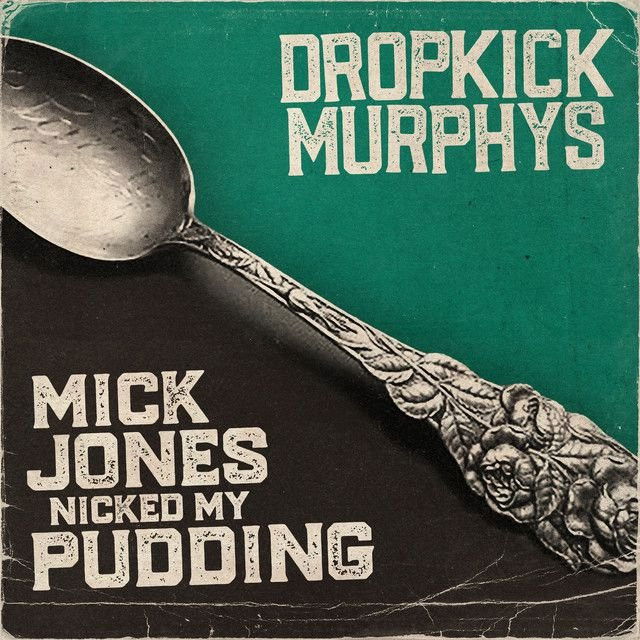
Why This Punk Joke Hits Hard
The meaning of Mick Jones Nicked My Pudding Dropkick Murphys starts with a joke, but it does not end there. On the surface, the song is exactly what its title promises: a loud, funny complaint about a famous punk figure stealing dessert. Under that setup, though, Dropkick Murphys turn a silly story into a sharp little song about disappointment, fandom, and learning that heroes can be selfish too.
"Mick Jones Nicked My Pudding" - Dropkick Murphys
Someone's always ruining your day
You gotta beware, there's strange ducks out there
Loading lyrics...
Unable to load lyrics
We're unable to display the lyrics at this time. Please try again later.
They frame the whole thing like a pub tale told at full volume. That tone matters. The band are not presenting tragedy; they are using humor to talk about a familiar feeling: the sting that comes when someone admired turns out to be less noble than expected.
A Tiny Crime With a Bigger Point
The clearest reading is simple. The narrator feels wronged, and the wrong is absurdly small. When they shout Mick Jones nicked my pudding
, the line is funny because it treats a snack theft like a major betrayal.
That exaggeration is the point. In punk, comedy often works by making a petty insult sound world-ending. Here, pudding becomes a symbol of respect, fairness, and basic decency. If even a hero will take what is not his, what does that say about fame or loyalty?
Interpretation: the song is less about dessert than about hurt pride. The stolen pudding stands in for any moment when admiration crashes into reality.
Watch the official Mick Jones Nicked My Pudding
music video
When an Idol Stops Being an Idol
The second verse gives the joke emotional weight. The narrator admits they owned all his records
, which turns the story from random complaint into fan heartbreak. They had invested real affection in this person, and that makes the insult feel bigger.
That is why the lyric about a hero breaking their heart lands. The song mocks the narrator’s overreaction, but it also understands it. Fans often build legends in their minds. When the real person disappoints them, even in a minor way, the emotional drop can feel surprisingly sharp.
Dropkick Murphys are well placed to make that joke. They come from a punk tradition that honors its elders but also refuses polite reverence. Naming Mick Jones, a key member of The Clash, lets them poke at punk mythology while still sounding affectionate toward it.
The Chorus Turns Grievance Into Group Theater
Musically and lyrically, the chorus is built like a chant. The repeated demand to leave my pudding alone
is catchy because it is childish, direct, and easy to yell back. That simplicity makes the song work as crowd comedy.
But the repetition also shows how grudges grow. The narrator cannot let the story go. They keep retelling it, making it louder each time, as if volume might turn pettiness into justice.
A Brief Narrative Arc
The song moves in a clear line:
- The world is full of people who ruin your day.
- One of those people turns out to be a hero.
- The hurt becomes resentment.
- Forgiveness is named as the better path.
- Yet the complaint keeps coming back.
That last step is the punchline. They know resentment is unhealthy, but they are still mad enough to sing about it.
How the Sound Sells the Meaning
The production style matters as much as the words. Dropkick Murphys usually work with fast tempos, punchy drums, rough-edged guitars, and gang vocals, all of which fit their Celtic punk and street-punk identity. Even without needing dense detail on credits here, the band’s familiar approach helps frame the song as a communal sing-along rather than a private confession.
That sonic energy keeps the track playful. If these same words were sung slowly, they might sound bitter. Instead, the arrangement makes the complaint feel like a round of teasing at a bar. The barked delivery, repeated hook, and blunt rhythm all support the idea that the narrator is performing their outrage for laughs.
Interpretation: the sound suggests they partly know they are being ridiculous, which makes the song more charming and less mean.
Comedy, Resentment, and Self-Mockery
One of the smartest parts of the lyric is that it does not only mock Mick Jones. It also mocks the speaker. Early lines generalize about people ruining your day, then the song narrows into a very specific grievance. That shift reveals someone who wants to turn personal annoyance into a grand life lesson.
The line about resentment it's a killer
is key. It briefly opens the door to maturity. The narrator knows forgiveness is healthier. But then they undercut that wisdom by returning to the same complaint again and again.
That tension gives the song its shape. It is about trying to act grown-up while still feeling childish anger. Most listeners recognize that emotional split immediately.
Alternate Ways to Read the Pudding
There are at least two solid readings.
Reading One: A Straight Punk Tall Tale
This is the most obvious version. The song is a funny, exaggerated anecdote designed to entertain. In that reading, the meaning of Mick Jones Nicked My Pudding Dropkick Murphys is simply the joy of turning a minor slight into a roaring anthem.
Reading Two: A Joke About Punk Canon
Interpretation: the song may also parody how punk scenes treat legends. By reducing a giant figure to a man who steals dessert, the band cut greatness down to human size. That fits punk’s suspicion of idols, even beloved ones.
Final Take on the Song’s Meaning
The meaning of Mick Jones Nicked My Pudding Dropkick Murphys lies in its mix of silliness and truth. It is funny because the complaint is so small, but it sticks because the emotion is real. They use pudding, chanting, and mock outrage to talk about something common: the moment admiration gives way to disappointment.
In the end, the song laughs at hero worship, at petty grudges, and at the people who know better but still cannot let go. That balance is what makes the track more than a throwaway joke.
Disclaimer: This article offers interpretation based on the lyrics and the band’s style. Meanings can vary by listener, and only the writers can confirm exact intent.









