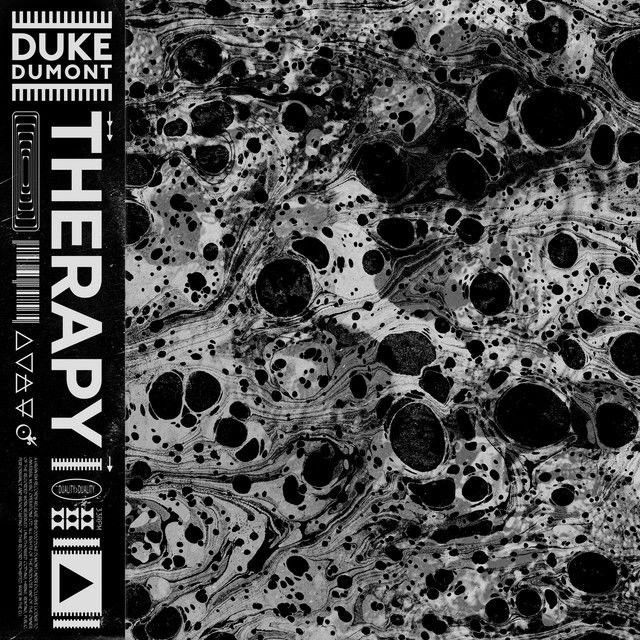
Therapy by Duke Dumont
The meaning of Therapy Duke Dumont centers on a hard emotional question: what actually heals a person after pain? In this song, they frame love as comfort, escape, and possible recovery all at once. That mix is what gives the track its emotional pull.
"Therapy" - Duke Dumont
He got me on my knees, down and praying
Hoping that you'll take me to a place
Loading lyrics...
Unable to load lyrics
We're unable to display the lyrics at this time. Please try again later.
Duke Dumont released “Therapy” in January 2020, during the lead-up to his debut album Duality, which arrived later that year. As an artist, they were already known for polished dance hits like “Need U (100%)” and “Ocean Drive,” but Duality pushed more openly toward emotional songwriting. In a Billboard interview about the album, Dumont said they wanted a body of music with “an emotional impact,” and pointed to the use of strings and chords as part of that aim.
A Dance Song About Wounds That Still Hurt
At its core, “Therapy” sounds like a song about someone trying to recover from emotional damage. The opening idea is direct: the hurt was severe, and it took a long time to even speak about it. When the lyric mentions being brought to their knees and praying, it suggests helplessness rather than confidence.
That is why the title matters so much. The singer is not only asking for healing. They are asking for anything that can stop the pain. The phrase therapy or something stronger
is the song’s clearest clue. It suggests a person so overwhelmed that healthy recovery and emotional escape start to blur together.
Interpretation: the song is not rejecting therapy. Instead, it dramatizes a desperate state of mind, where relief matters more than the method.
Watch the official Therapy
music video
Love as Cure, Love as Craving
The most revealing tension in the lyric is that love seems to work like medicine, but also like addiction. The singer says they are jonesing for another day
, which uses the language of craving. That choice makes the relationship feel intense and unstable.
At the same time, they believe this person can help them feel alive again. They want attention, reassurance, and emotional return. When the song reaches phrases like need your love
and later I feel whole again
, it moves from pain toward restoration.
This creates the song’s central paradox:
- Love appears to heal the speaker.
- Love also becomes something they cannot regulate.
- That dependence makes the healing feel risky.
So the meaning of Therapy Duke Dumont is not simply “love saves.” It is closer to: love can soothe deep pain, but it can also become another form of need.
The Chorus Turns Private Pain Into Collective Feeling
The repeated hook around our love
is simple, but that simplicity matters. After the verses describe hurt, prayer, and craving, the chorus strips everything down to one emotional center. It sounds less like storytelling and more like self-persuasion.
By repeating the same idea, the song mimics the way people hold onto one thought when they are scared of losing something. In that sense, the chorus does two jobs at once. It celebrates connection, but it also exposes fragility.
A Short Emotional Pivot
I feel love
I am ready
I feel whole again
This is the song’s clearest turn. The wording suggests recovery, but it is still tied to feeling rather than certainty. The singer sounds transformed in the moment, though not necessarily permanently.
Time, Healing, and the Fear of Waste
Another strong theme is time. The song says life keeps moving, and the speaker wants to get on with the start
. That line captures a familiar emotional state: they know they cannot stay frozen forever, but they are not fully free of the past either.
The idea that “you and me” only have limited time adds urgency. Instead of chasing perfection, the song suggests taking what love can offer now and leaving the rest behind. This gives “Therapy” a mature edge beneath its club sheen. It is not just about desire. It is about trying not to lose more life to pain.
How the Production Carries the Message
Duke Dumont has long worked in house, deep house, and electronic music, and their best tracks often pair club rhythms with strong melodic emotion. That background matters here. “Therapy” uses a steady dance pulse, bright layering, and an uplifting lift in the vocal arrangement to mirror emotional release.
The production does not sound dark for long, even though the lyrics begin in a wounded place. Instead, it gradually opens up. That design supports the song’s meaning: the track starts with pressure and moves toward relief, as if the dance floor itself becomes a space for repair.
That approach also fits Dumont’s broader career. According to publicly available discography information, they broke through with emotionally direct dance records and later described wanting songs with longevity, not just beats. “Therapy” sits right in that lane: accessible, rhythmic, but emotionally serious.
Two Strong Ways to Read the Song
Interpretation 1: Romantic healing after heartbreak. The simplest reading is that the singer has been badly hurt and finds hope in a new or renewed love.
Interpretation 2: A warning about emotional substitution. The stronger reading may be that the song shows how easy it is to replace one pain with another dependency. The speaker wants healing, but they may be putting too much weight on another person to provide it.
Both readings can be true at once, which is part of why the song works.
Why “Therapy” Still Lands
“Therapy” stands out because it turns private emotional crisis into a sleek dance anthem without flattening the pain. The lyrics admit weakness, longing, and urgency, while the music offers movement and release. That balance is the real meaning of Therapy Duke Dumont: healing is messy, love can feel medicinal, and relief often arrives before clarity does.
Disclaimer: This interpretation is based on the released song, available credits, and artist context. As with most pop writing, meaning can remain open to listener experience.








