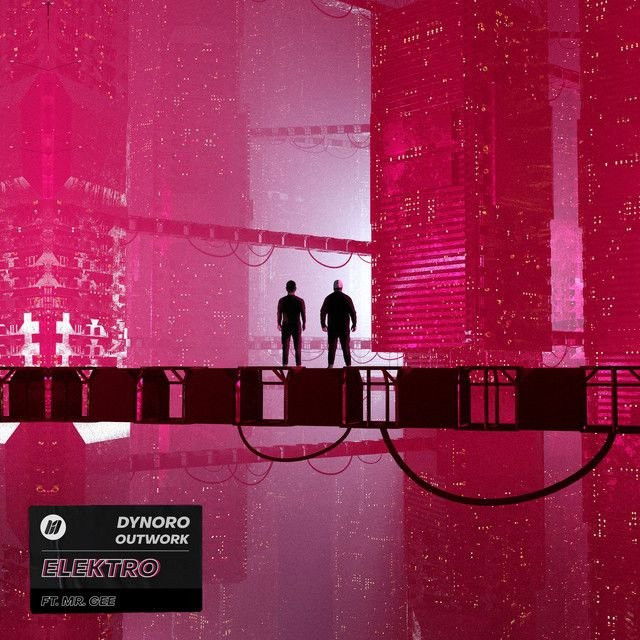
Why “Elektro” Turns Rhythm Into Meaning
The meaning of Elektro Dynoro, Outwork, Mr. Gee is not hidden in a complicated plot. It is right on the surface: this is a song about the power of rhythm, club movement, and the almost physical pull of electronic dance music.
"Elektro" - Dynoro, Outwork, Mr. Gee
Bum, bum, ba-ba-da-dum
Ba-da, bum bum, bum, bum
Loading lyrics...
Unable to load lyrics
We're unable to display the lyrics at this time. Please try again later.
Unlike lyric-heavy pop songs, “Elektro” keeps its words spare and repetitive. That is the point. They build a loop where sound, body, and mood become the message. In simple terms, the track says that dance music does not just play around people; it gets inside them.
A Dance Anthem About Surrendering to the Beat
At its core, the song presents electronic music as a force that organizes the body. Early lines connect motion to pulse, using phrases like Heartbeat on time
and Dancing to the rhythm
. Paraphrased, the song suggests that when the beat locks in, the body follows naturally.
That idea keeps returning in almost every section. There is no real conflict, no breakup, no dramatic twist. Instead, the lyric works like a chant. It invites listeners to stop overthinking and let the groove take control.
Interpretation: This makes “Elektro” less like a narrative song and more like a statement of faith in club culture. The beat becomes the center of experience, almost like a shared language everyone on the floor understands.

Watch the official Elektro
music video
How the Repetition Becomes the Message
A huge part of the meaning comes from how often the same ideas repeat. The nonsense syllables in the hook are not filler. They mimic percussion and turn the human voice into part of the rhythm section.
That matters because the song is not trying to describe dance music from a distance. It wants to act like dance music. When the vocal lands on Elektro is the rhythm
, it is basically defining the genre as both sound and sensation.
Open your mind, feel it
Feel it from the inside
Those two short lines are the clearest summary of the song’s purpose. They frame electronic music as something internal, not just something heard through speakers.
The Key Themes Inside “Elektro”
Rhythm as identity
The song keeps tying “Elektro” to a specific way of being. When it says Elektro is the new style
, it is not only naming a genre. It is presenting a scene, a fashion, and a social energy.
That helps explain why the lyric stays so broad. It wants the crowd to project themselves into it. Anyone on the dance floor can step into that feeling.
Music as physical sensation
The repeated references to heartbeat, movement, and bass give the song a body-first point of view. Rather than talking about thoughts or memories, it talks about timing and impact.
Interpretation: This makes the track feel almost like a manifesto for clubbing. The real meaning is that electronic music works best when it is experienced physically, through pulse, motion, and atmosphere.
Community on the floor
The song also zooms out from the individual to the crowd. When it points to people Grooving to the bass-line
, it imagines a shared public space. The dance floor becomes a community built by rhythm.
What “Michael and James” Might Mean
One of the more curious lines mentions Michael and James
. The lyric does not explain who they are, so any reading has to stay cautious.
Interpretation: The most likely function is cultural shorthand. Those names may nod to earlier dance, funk, or pop icons, suggesting that “Elektro” belongs to a larger performance tradition. In that reading, the line says electronic music can stand beside legendary groove-makers.
Another reading is simpler: the names are there for sound and attitude. They give the lyric a casual, confident swagger without needing a detailed backstory.
Why the Production Carries So Much Meaning
For a track like this, sound design matters as much as vocabulary. Dynoro is known for streamlined, club-facing dance production, while Outwork has roots in electronic and house-driven crossover records. That context helps explain why “Elektro” feels engineered for momentum rather than storytelling.
The beat is steady, the phrasing is clipped, and the vocal lines leave lots of open space for the instrumental to do emotional work. Instead of rich lyrical imagery, the production uses repetition, low-end pressure, and hook placement to create release.
That is why the song feels bigger than the words on the page. Read silently, the lyric is minimal. Heard in motion, it becomes immersive.
Why the Song Still Works With So Few Words
Many dance tracks succeed by reducing language to essentials, and “Elektro” follows that tradition. It uses just a few ideas:
- rhythm controls movement
- the beat feels internal
- the dance floor is communal
- electronic music is a style and identity
Because the lines are so direct, listeners do not need to decode much. They only need to respond. That simplicity is part of the design, not a weakness.
Final Take on the Meaning of Elektro Dynoro, Outwork, Mr. Gee
The meaning of Elektro Dynoro, Outwork, Mr. Gee is that electronic music can move people on both a physical and emotional level. The song celebrates beat, bass, and collective energy more than personal confession.
Interpretation: In the end, “Elektro” is about what happens when rhythm stops being background noise and becomes the main event. Its lyrics are minimal because the experience it describes is immediate, bodily, and shared.
Disclaimer: This interpretation is based on the released lyrics and musical presentation. As with any song, listeners may hear different meanings in the same words and sounds.









