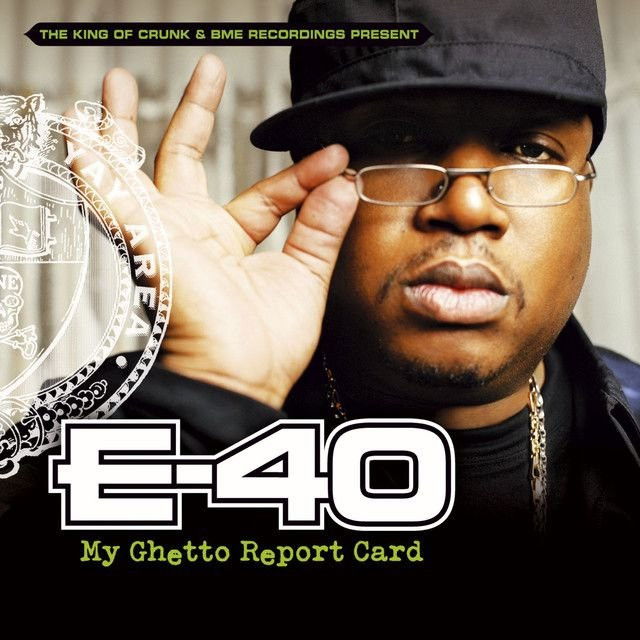
How 'Gouda' Turns Slang Into a Hustler Anthem
The Fast Meaning Behind the Money Talk
The meaning of Gouda E-40, B‐Legit, Stressmatic of the Federation starts with a simple idea: money is not just wealth here. It is language, status, survival, and proof of skill. The track uses the slang word Gouda
as a stand-in for cash, then builds an entire world around that code.
"Gouda" - E-40, B‐Legit ft. Stressmatic of the Federation
BME, Warner Brothers, the machinery
Ooh, look out pimp
Loading lyrics...
Unable to load lyrics
We're unable to display the lyrics at this time. Please try again later.
On the surface, this is a brag rap record. They count stacks, mention cars, and show off control. But under that flex is a harder picture of street life, where trust is rare, danger is normal, and getting paid feels like the only stable goal.

Watch the official Gouda
music video
Why the Hook Matters More Than It First Seems
The chorus is built on repetition, counting, and call-and-response. That structure matters. Instead of telling a deep story from start to finish, the song keeps circling back to the same point: the hustle is constant.
When they repeat Ten wraps and a rubber band
, they are not only painting a picture of cash. They are making money feel physical and routine, something held, sorted, and measured by hand. The chant of Chalupa
works like a second slang marker, reinforcing that this song lives inside a private vocabulary shared by the artists and their scene.
Interpretation: The hook sounds playful, but it also shows how a hustler mindset can turn life into numbers, bundles, and transactions.
Bay Area Context Gives the Song Its Shape
E-40 and B-Legit are central figures in Bay Area rap, with deep ties through Sick Wid It Records and The Click. E-40 is especially known for bending slang into art, a style widely noted in profiles of his career and language-making persona at outlets like NPR and reference summaries such as Britannica.
That context helps explain why “Gouda” is more than a random money song. It is also a Bay Area language showcase. The record treats slang as power: if they can name the world, they can rule it for three or four minutes.
Stressmatic adds to that local texture. Together, the voices make the record feel communal, like a crew anthem instead of a solo diary.
Street Codes, Fear, and Self-Protection
Beyond the money talk, the verses sketch out a code of conduct. They talk about distrust, watching for betrayal, and staying ready. A line like Sleep with one eye open
turns the song darker for a moment. It suggests that success does not bring peace. It brings more reasons to stay alert.
They also complain about snitching, surveillance, and jail conditions. Those lines widen the song’s meaning. This is not just about getting rich. It is about moving through a world shaped by policing, prison, and neighborhood pressure.
Interpretation: The track glorifies hustler confidence, but it also quietly admits the emotional cost of that life. Nobody in this song sounds fully relaxed.
A Quick Map of the Verses
From swagger to social backdrop
The first major movement is pure flex. They present themselves as sharper, tougher, and more capable than rivals. That establishes authority.
Then the song shifts into environment. They describe places where the lights are out, chaos is common, and violence can come from one wrong turn. In plain terms, the artists link personal hustle to a broken social setting.
Where I'm from it's pandemoniumand chaos
That short passage matters because it frames the hustle as adaptation. They are not saying money is just fun. They are saying it is what people chase when order and opportunity feel weak.
Sound and Production: Why It Feels So Loose and Hard
Production tags in the lyrics point to a regional rap framework tied to Bay Area independent culture. The beat supports the message by staying bouncy, repetitive, and open enough for personality to lead. Rather than burying the vocals in dense layers, the track leaves room for ad-libs, slang, and rhythmic talking.
That matters because “Gouda” is really a performance song. The words hit partly because of cadence. E-40’s off-center timing, B-Legit’s grounded delivery, and Stressmatic’s contribution all help the record feel like a live exchange of game rather than a polished pop statement.
Interpretation: The beat does not compete with the message. It acts like a platform for boasting, joking, and warning all at once.
What “Gouda” Says About Power
The song keeps returning to a simple fantasy: if they have enough cash, enough style, and enough nerve, they can stay ahead of danger. That is why the repeated Gettin' money, I'm a stunna
is important. It ties money to visibility. They do not just want wealth; they want to be seen having won.
But the record also hints that this kind of power is unstable. They mention police attention, crowded jails, and tense neighborhoods. So the song’s bravado can be heard in two ways:
- As a straight celebration of hustler success.
- As a defense mechanism against fear and scarcity.
Both readings fit the text.
Final Take on the Song’s Meaning
The meaning of Gouda E-40, B‐Legit, Stressmatic of the Federation is bigger than “money equals good.” The song turns cash slang into a symbol for survival, identity, and Bay Area pride. Its humor and bounce make it fun, but its details about distrust, violence, and confinement keep it from feeling shallow.
In the end, “Gouda” works because they make language itself part of the flex. They are not only stacking money. They are stacking terms, codes, and local attitude into a full hustler worldview.
Disclaimer: This interpretation is based on the lyrics, performance, and artist context. As with most songs, listeners may hear different meanings in the same lines.







