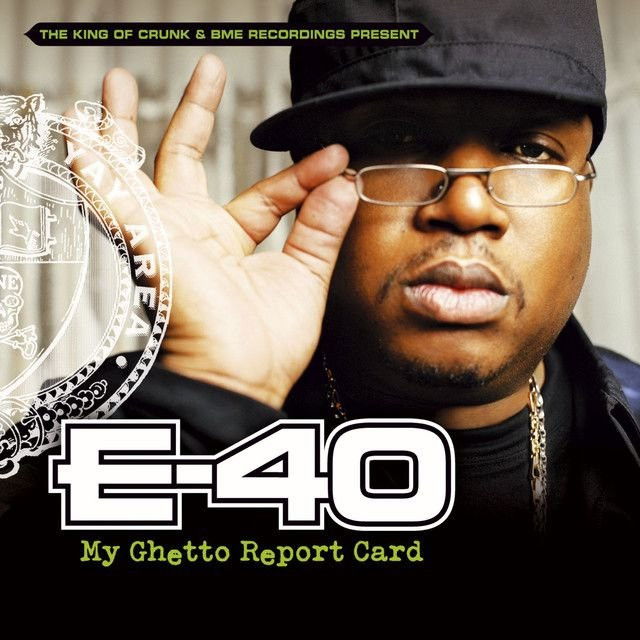
How “Tell Me When to Go” Turned Hype Into Identity
The meaning of Tell Me When to Go E-40, Keak da Sneak starts with motion, but it ends up saying something bigger. This is not just a club song. It is a regional anthem that turns Bay Area style into the main event.
"Tell Me When to Go" - E-40 ft. Keak da Sneak
Tell me when to go
Tell me when to go
Loading lyrics...
Unable to load lyrics
We're unable to display the lyrics at this time. Please try again later.
Released in 2006 as the lead single from My Ghetto Report Card, the track helped bring the hyphy movement to a national audience. It reached No. 35 on the Billboard Hot 100 and was later certified Platinum by the RIAA, facts that show how far a deeply local record traveled. Even so, its power comes from how local it stays. Rather than smoothing out Oakland energy for outsiders, E-40 and Keak da Sneak lean into it.
More Than a Party Starter
At the most basic level, the song is about release. The repeated hook, tell me when to go
, sounds like waiting for a signal. But once that signal comes, the song imagines chaos, dancing, driving, shouting, and showing off as a shared ritual.
Interpretation: That makes the record feel like a countdown to communal freedom. They are not asking for permission in a polite way. They are building suspense before the room, the street, or the city erupts.
The repeated word dumb
also matters. In normal use, it sounds negative. Here, it is reclaimed to mean wild, uninhibited, and proudly excessive. In hyphy culture, “going dumb” is less about losing control than about rejecting cool detachment.
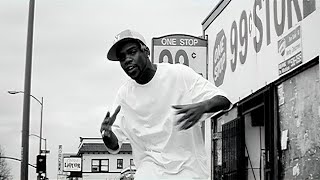
Watch the official Tell Me When to Go
music video
Oakland at the Center of the Frame
E-40 grounds the song in everyday Bay Area details: quick store runs, alcohol brands, neighborhood watching, and time spent in a scraper
, a customized car tied to local car culture. He also draws a line between local authenticity and music he sees as too polished, saying he does not follow the mainstream.
That is a key part of the song’s meaning. They present Oakland not as a backdrop but as the source. When E-40 says the Bay is where rappers get their lingo, he is making a cultural claim: local slang and style deserve credit.
Interpretation: The song works as a defense of regional originality. It says the Bay does not need approval from New York, Los Angeles, or the pop market to matter.
Keak da Sneak Brings the Raw Edge
Keak da Sneak’s verse adds a rougher, more explosive energy. His voice is famously gravelly and unpredictable, and that matters as much as the actual words. He sounds like someone pushing the track past normal limits.
His section is full of brags, threats, jokes, and intoxicated swagger. On the surface, that sounds like standard rap flexing. But in this song, the point is texture. Keak embodies hyphy as a physical state: loud, unstable, funny, dangerous, and impossible to ignore.
That is why the collaboration works. E-40 is the sharp local reporter and ringmaster. Keak is the force of nature.
The Hook Becomes a Public Instruction Manual
Midway through, the song shifts into a call-and-response sequence built around local dance and car moves. Short commands like ghostride the whip
, put your stunna shades on
, and go stupid, go dumb
turn the record into a live demonstration.
This section is important because it changes the song from description to participation. They are no longer only telling listeners what the culture looks like. They are inviting them to perform it.
Gas, brake, dip, dip
Shake them dreads
Those lines are brief, but they show how movement drives meaning. The song is almost choreographic. It teaches the body how to understand the beat.
Why the Sound Matters So Much
Produced by Lil Jon with E-40, the track uses a stripped, pounding beat that leaves room for chants, ad-libs, and commands. It also samples Run-DMC’s “Dumb Girl,” which quietly links Bay Area slang and energy to an older rap tradition. The production is sparse enough to feel blunt, but heavy enough to sound like a street procession.
That sonic design supports the message. A dense or melodic beat might have softened the edges. Instead, the music feels skeletal and percussive, which makes every shout sound larger. The emptiness in the instrumental creates space for the crowd.
Interpretation: The beat makes the song feel less like a private listen and more like a social event. Its meaning lives in how people respond to it together.
A National Breakthrough Without Losing Its Accent
The song’s cultural impact helps explain its lasting meaning. It was one of the first hip-hop singles to premiere online before release, and it helped popularize the phrase “ghost ride the whip.” The black-and-white video, filmed at West Oakland’s 16th Street Station, added to the local-document feel while still making the song look iconic.
That balance is why the record lasted. It crossed over, but it did not translate itself into generic party rap. The Bay Area remained visible in the slang, the dance references, the car imagery, and the humor.
The Lasting Meaning of “Tell Me When to Go”
So what is the meaning of Tell Me When to Go E-40, Keak da Sneak? It is the sound of a local culture announcing itself at full volume. The song celebrates freedom, but not in an abstract way. It ties freedom to place, movement, language, and public style.
They made a track that sounds rowdy on purpose. Underneath that chaos is a clear statement: Oakland and the wider Bay have their own rhythm, and they do not need to clean it up to be heard.
Disclaimer: This interpretation blends documented context with critical reading, so some meaning remains open to listener perspective.








