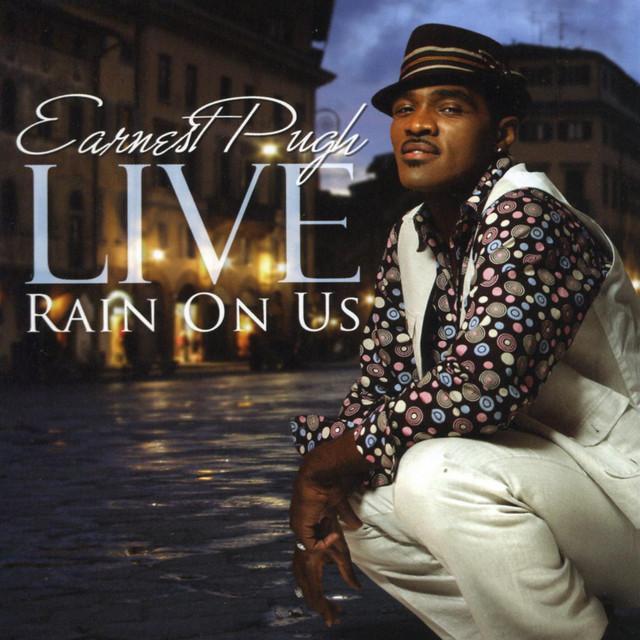
Why "The Great I Am" by Earnest Pugh Hits So Deep
The meaning of The Great I Am Earnest Pugh comes through with unusual directness. This is not a song built on mystery, plot twists, or private confession. It is a worship anthem that says exactly what it wants to say: God is holy, Jesus is king, and praise belongs to them.
"The Great I Am" - Earnest Pugh
With praise we'll sing
We will shout in all the earth
Loading lyrics...
Unable to load lyrics
We're unable to display the lyrics at this time. Please try again later.
That simplicity is the point. Earnest Pugh, a noted gospel vocalist and worship leader, is known for songs that let vocal power and church-centered conviction carry the message rather than complicated poetry. In this song, the lyrics work like a call to the room, inviting everyone into the same act of praise.
A Praise Song More Than a Story Song
At its core, the song is about collective worship. The repeated use of we will worship
matters because it frames the message as shared, not private. They are not listening to one person process their feelings. They are hearing a congregation speak with one voice.
That group voice shapes the whole song. The lyrics move from action to declaration: people will sing, people will shout, and people will bless God's name. Then the hook explains why. The refrain the great I am
gives the worship a clear center.
Interpretation: the song treats praise not as a response to one moment of blessing, but as the proper response to who God is by nature.
Watch the official The Great I Am
music video
Why the Title Carries So Much Weight
The title reaches into biblical language. The phrase "I AM" is most famously linked to God's self-revelation in Exodus 3:14. In Christian worship, that name often signals God's eternal existence, authority, and self-sufficiency.
The song also pairs that title with language about Jesus being king. That matters because it reflects a common Christian reading that places Jesus within God's divine rule and identity, themes also echoed in the Gospel of John 8:58.
So when the song repeats Jesus is our king
, it is not just offering a compliment. It is making a theological claim: the one being praised is both ruler and object of worship.
How the Lyrics Build Their Message
The lyrics are highly repetitive, but they are not empty. They circle around a few core ideas:
- worship as a communal act
- God's worthiness of glory and honor
- divine holiness
- the identity of God as the Great I Am
This structure is common in gospel and praise music because repetition helps a room participate. A phrase like He deserves glory
is easy to answer, echo, and internalize. The same is true of holy is he
, which turns doctrine into a chant-like confession.
There is also a rise in intensity. Early lines call people to worship. Later sections narrow in on God's character: holy, mighty, marvelous, ancient. That progression makes the song feel like it is moving deeper into reverence.
Holy is the Lord our God
Mighty is the Lord our God
This brief section is important because it shifts from invitation to direct description. Instead of saying what worshipers will do, it names who God is.
The Sound Helps Deliver the Meaning
Even without parsing every arrangement detail, the lyrics strongly suggest a classic gospel worship setup: lead vocal, choir or ensemble response, repeated vamp sections, and dynamic build. That matters because the song's meaning is inseparable from how gospel performance works.
Call-and-response phrases such as holy is he
and the echoed title line create momentum. In church music, that technique does two jobs at once. It reinforces the message, and it lets the congregation join in without needing complex verses.
Interpretation: the production and arrangement likely aim for escalation rather than surprise. The song wants listeners to feel surrounded by praise. Repetition, layered vocals, and sustained emphasis on key phrases turn the music into an atmosphere of worship.
That is also where Earnest Pugh's style fits. Their reputation in gospel circles has often centered on strong, emotive delivery and songs that connect personal conviction with church tradition. This track leans firmly toward the congregational side of that balance.
The Main Themes Behind the Song
Worship as a public act
The song does not hide devotion. It speaks of singing and shouting across the earth, suggesting worship that is open, bold, and shared.
Holiness as the reason for praise
The repeated focus on holiness tells listeners that God's moral and spiritual perfection is not a side note. It is the heart of why praise is offered.
Honor, glory, and worthiness
By returning to what God "deserves," the song frames worship as recognition, not flattery. Praise is presented as giving rightful honor.
What the Song Means to Listeners Today
For many listeners in the United States, especially in Black church and gospel traditions, songs like this function as both music and testimony. They teach theology in memorable lines. They also create unity in a room full of people with different lives but one shared declaration.
That helps explain the lasting appeal of the meaning of The Great I Am Earnest Pugh. Its message is not subtle, but it is strong. The song says that worship begins with God's identity, not human emotion. Feelings may rise during the performance, but the foundation is already set: God is holy, mighty, and worthy.
Final Take on This Gospel Anthem
The song's real power lies in how plainly it speaks. It turns big Christian beliefs into singable, repeatable praise. Rather than telling a personal story, it gathers believers into one voice and one purpose.
Interpretation disclaimer: This reading is an informed interpretation based on the lyrics and gospel worship context. Different listeners, churches, and performers may hear slightly different emphases in the song.








