Why 'On Your Face' Feels Like Tough Love
Earth, Wind & Fire often made songs that felt joyful on the surface but carried real life advice underneath. That is exactly what gives the meaning of On Your Face Earth, Wind & Fire its staying power. The song is not just about smiling. It is about emotional honesty, self-control, and refusing to let hard times define a person.
"On Your Face" - Earth, Wind & Fire
shows on your face
and no matter,how you try to hide it'll state your case
Loading lyrics...
Unable to load lyrics
We're unable to display the lyrics at this time. Please try again later.
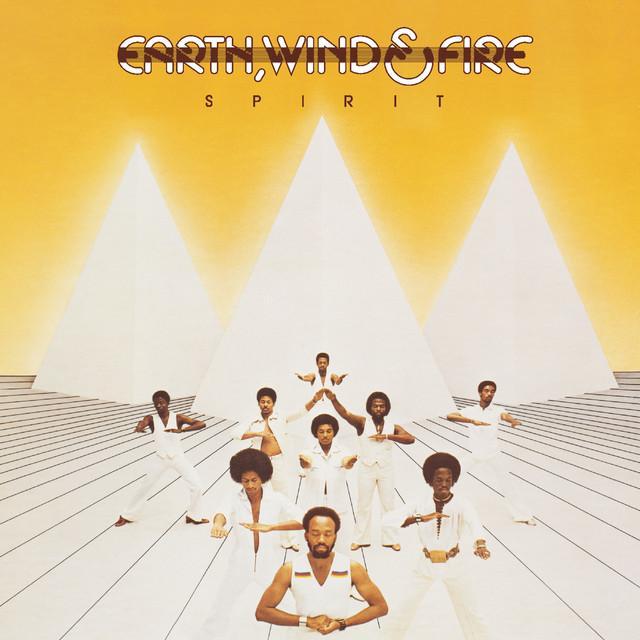
Released on Spirit in 1976, the song came from a period when the group was blending funk, soul, jazz, and spiritual optimism into one of the most distinct sounds in pop music. According to the band’s official catalog and major discographies, Spirit followed the breakthrough success of That’s the Way of the World and deepened the group’s reflective side while keeping the groove strong. In that context, “On Your Face” sounds like a pep talk delivered on a dance floor.
The Heart of the Message Hides in Plain Sight
At its core, the song says that feelings do not stay private for long. The opening idea is simple: emotion shows itself on your face
. That line works as both observation and warning. People may try to hide pain, worry, or defeat, but their expression tells the truth.
From there, the song moves into guidance. A bad attitude can pull a person lower, while a better outlook can help them keep moving. Importantly, the lyrics do not claim that pain is fake or that life is easy. They admit disappointment, bad luck, and rainy days. The message is that sadness alone will not fix anything.
Interpretation: The song frames mood as a choice of response, not a denial of reality. Earth, Wind & Fire seem less interested in pretending life is perfect than in asking how people carry themselves when life is not.

Watch the official On Your Face
music video
A Song About Expression, Not Suppression
One smart part of the writing is that it never says people should feel nothing. In fact, the song notices how often feelings spill out. It mentions when our feelings show
and when luck seems to vanish. That link between emotion and momentum is key: discouragement can make the world feel even harsher.
Still, the speaker refuses to stay trapped there. The repeated pushback—can't make me sad
—is the moral center of the track. It is not cold or detached. It sounds learned, as if they have already been through darkness and do not want to return.
Wish upon a sunny day
and it turns to rain.
That brief image captures the song’s realism. Even hopeful moments can collapse. Plans fail. Weather changes. Expectations get broken. But the next idea matters more: people can still find an inner source of light. The lyric about using the sunshine in the heart turns optimism into an inner resource rather than an outside condition.
Who They Seem to Be Singing To
The voice of the song works in two directions at once. First, they are speaking to anyone whose feelings are visible and weighing them down. Second, they are speaking to themselves, almost like self-coaching set to rhythm.
That makes the song feel communal. It is not a lecture from above. When they say a smiling face can help you set your pace
, they are not promising instant healing. They are suggesting a practical way to move through pressure without falling apart.
Interpretation: This double address is part of why the song feels warm instead of preachy. The band includes themselves in the struggle. They know discouragement happens. They just do not want discouragement to lead the day.
How the Sound Reinforces the Meaning
The music matters as much as the words. Earth, Wind & Fire built their reputation on rich arrangements, layered vocals, tight rhythm, and bright horn lines, elements widely documented in biographies of the group and album notes for their 1970s work. In “On Your Face,” that musical approach supports the lyric’s emotional argument.
The groove does not drag, even when the song talks about sadness. That choice is important. A heavy message arrives inside motion, bounce, and lift. The rhythm section keeps the track moving forward, which mirrors the lyric’s refusal to get stuck. The vocal interplay also helps. Maurice White and Philip Bailey brought different textures to the group’s sound, and that contrast often created a feeling of both grounding and uplift.
In other words, the arrangement performs the message: life may get hard, but the song keeps dancing anyway.
Artist Context Makes the Song Deeper
Knowing where Earth, Wind & Fire were artistically helps explain the track. The band regularly mixed everyday advice with spiritual language, emotional resilience, and group harmony. Songs from the mid-1970s often balanced celebration with discipline. “On Your Face” fits that pattern well.
The writing credits given for the song include Maurice White, Philip Bailey, and Charles Stepney, figures central to the group’s sound and philosophy. Stepney in particular was known for sophisticated arrangements and a deep musical sensibility in soul and jazz. That background helps explain why a seemingly simple message arrives with so much elegance.
Reception also matters. Earth, Wind & Fire have long been praised for making uplifting music that never feels empty. This song is a good example of that gift. It is motivational, but it still acknowledges that the world can test a person.
The Best Way to Understand the Song
The best reading of the meaning of On Your Face Earth, Wind & Fire is that it offers resilient optimism. It says emotions are visible, negativity can spread, and hard times are real. But it also says people are not powerless inside those hard times.
Their answer is not denial. It is discipline, spirit, and shared encouragement. Even the title points to the tension: what appears outwardly reflects an inner battle, but that inner life can be reshaped.
Final Takeaway
“On Your Face” turns emotional advice into a funk-soul mantra. It tells listeners that pain may show, rain may come, and luck may fade, but attitude still matters. Earth, Wind & Fire make that lesson feel generous rather than strict, which is why the song still lands.
Disclaimer: This interpretation is based on the lyrics, known artist context, and the song’s musical style. As with any art, listeners may hear different meanings in it.







