Why 'Ganja Smuggling' Hits Harder Than It Sounds
The meaning of Ganja Smuggling Eek-A-Mouse starts with a crime story, but it does not end there. On the surface, the song follows a narrator loading marijuana, shipping it overseas, and enjoying the money that follows. Under that plot, though, Eek-A-Mouse connects illegal hustle to poverty, family struggle, and the lure of status.
"Ganja Smuggling" - Eek-A-Mouse
Bidi bong bong, bidi-me, hen
Bong bong, bidi bong bong, bidi bong bong, bidi men
Loading lyrics...
Unable to load lyrics
We're unable to display the lyrics at this time. Please try again later.
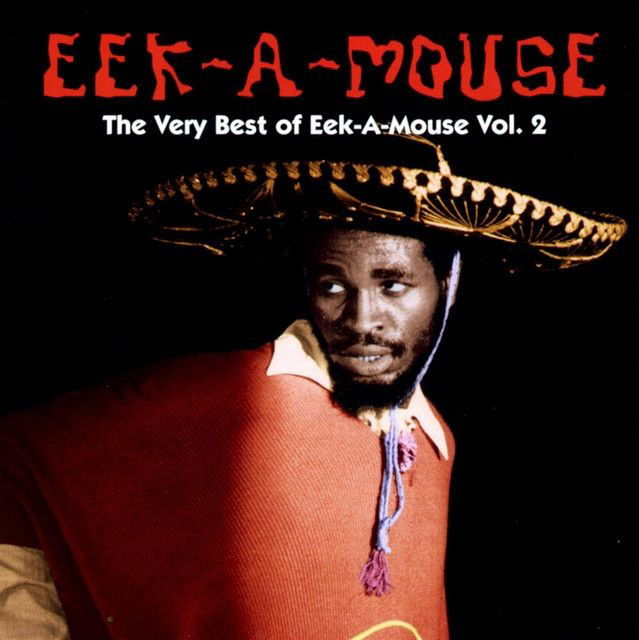
Eek-A-Mouse, born Ripton Joseph Hylton, became one of Jamaica's most distinctive early dancehall voices, known for his singjay style and playful scatting, according to widely cited career summaries such as his biographical overview. That style matters here: the sillier sounds make the song feel funny and loose, even when the subject is serious.
A street tale with a social backdrop
At the most basic level, the song describes an operation. The narrator says it was early Sunday morning
when a big ganja smuggling
run began. They pick, pack, and move the product fast, then describe wealth arriving once the shipment leaves Jamaica.
That first verse sounds almost cinematic. The action is quick, the images are clear, and the rewards look immediate. When the song mentions money coming like rain
, it turns crime into a fantasy of sudden escape.
But the next verse changes the frame. Instead of only showing profit, the song moves back to the ghetto and explains the life that came before the hustle.

Watch the official Ganja Smuggling
music video
The real heart of the song is poverty
This is where the meaning of Ganja Smuggling Eek-A-Mouse becomes more layered. The narrator remembers growing up poor, with the family forced to sleep on the floor and deal with storm damage. They describe torn shoes, exposed toes, and not knowing where to run.
Those details do two things at once:
- They make the narrator human.
- They suggest why fast money feels so powerful.
Interpretation: The song is not simply bragging. It may be showing how desperation and inequality create the conditions for risky choices. The glamorous parts of the smuggling story only make full sense after the listener hears about the hardship behind them.
Swagger, pain, and warning in the same song
One of the smartest parts of the writing is its contrast. In one moment, the narrator is loading a van and wearing a gold chain. In another, they remember a mother crying and trying to protect her child from a brutal future.
The line about the mother warning cry no more
gives the song emotional weight. Later, another warning against robbing and facing police violence adds even more pressure to the story. The message is not neat. Poverty does not automatically lead to crime, but the song shows how narrow the options can feel.
Down there in the ghetto I grow
Where sufferation I once know
That short passage is central because it turns the song from a colorful anecdote into a social portrait. Even when the narrator enjoys the rewards, the memory of deprivation stays close.
Why Eek-A-Mouse's style changes the meaning
Eek-A-Mouse was known for a vocal approach that blended deejay delivery, melody, and nonsense syllables, helping define an early singjay sound in reggae and dancehall history, as noted in his artist profile. In this song, that style is not just decoration.
The bubbling vocal sounds do three jobs:
They make danger feel playful
The scatted phrases soften the hard edges of the plot. Smuggling, poverty, and police threats are all present, but the performance keeps the song from becoming grim.
They show personality over realism
Rather than sounding like a courtroom statement, the song feels theatrical. That fits Eek-A-Mouse's larger persona as an entertainer with a flamboyant, highly recognizable approach.
They mirror dancehall's tension
Reggae and dancehall often pair serious content with infectious rhythm. Here, the groove is light and catchy while the words point to survival, inequality, and temptation.
A hit because it mixes humor and truth
"Ganja Smuggling" is widely listed among Eek-A-Mouse's notable 1982 songs from his period working with producer Henry "Junjo" Lawes, and its reputation lasted long enough to become the title of a 2009 compilation, per the same discography summary. That staying power makes sense.
The song works because it gives listeners more than one entry point. Some will hear a rebellious outlaw story. Others will hear a portrait of economic pressure in Kingston. Many will hear both at once.
Interpretation: The gold chain and overseas shipment may symbolize more than cash. They may stand for visibility, dignity, and proof that the narrator has escaped the shame of being poor. That does not make the act noble, but it helps explain why it feels thrilling in the song.
Final takeaway on the song's message
So, what is the meaning of Ganja Smuggling Eek-A-Mouse? It is a song about smuggling, but even more, it is a song about what comes before smuggling: hunger, damaged homes, parental fear, and the dream of getting out. Eek-A-Mouse wraps those themes in humor, rhythm, and unforgettable vocal flair, which is why the track can sound fun even when its story is heavy.
That tension is the point. They turn a street narrative into a wider comment on poverty, performance, and survival.
Disclaimer: This interpretation is based on the song's lyrics, performance, and documented artist context. As with most songs, listeners may reasonably hear different meanings.








