Why Eisbrecher's Devil Sounds So Human
The meaning of Wo Geht Der Teufel Hin Eisbrecher becomes clearer once they stop hearing it as a simple song about hell and start hearing it as a song about collapse. On the surface, the narrator sounds brutal, proud, and destructive. Under that mask, though, the track keeps circling one unsettling question: what happens when even the force of evil feels pain?
"Wo Geht Der Teufel Hin" - Eisbrecher
Kommt nur her ich lass' euch bluten, eure Angst tut mir so gut
Ich lass' euch schmoren in der Hölle, mit tausend Leiber voller Qualen
Loading lyrics...
Unable to load lyrics
We're unable to display the lyrics at this time. Please try again later.
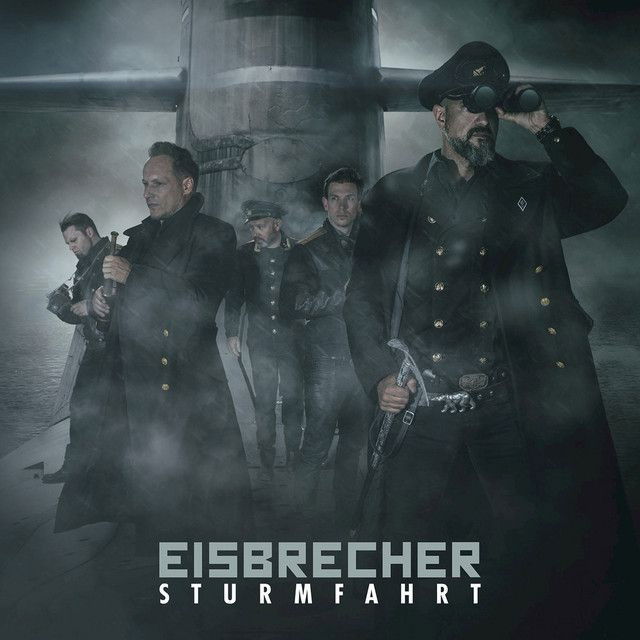
That tension gives the song its power. Eisbrecher, the German Neue Deutsche Härte band led by Alexander Wesselsky, often mix hard industrial textures with theatrical emotion, a style noted in band profiles and coverage of the group’s career. Here, they use that mix to turn a dark character sketch into something more psychological.
A Villain Portrait That Starts to Crack
At first, the speaker presents himself as a classic tormentor. He floods streets, throws fire, spreads lies, and feeds on fear. Short phrases like eure Angst
and in der Hölle
paint a world built on domination. The early verses make him sound almost proud of his role.
But the song does not stop there. It quietly plants signs that this figure is not in control of himself. When he admits Mein Herz schlägt schwer
, the image shifts. This is no longer just a cartoon devil. They are hearing someone weighed down by boredom, emptiness, and emotional isolation.
Watch the official Wo Geht Der Teufel Hin
music video
The Chorus Changes the Whole Meaning
The chorus is the key to the meaning of Wo Geht Der Teufel Hin Eisbrecher. Instead of asking what the devil does to others, it asks where he goes when he breaks. That is a sharp twist.
The repeated question about where the devil goes when he cries, screams, or cannot sleep turns evil into something unstable and lonely. The song suggests that cruelty may come from a being that has no refuge of its own. If heaven rejects him and hell offers no comfort, then there is nowhere left to hide.
Wo geht der Teufel hin
wenn er weint?
That tiny lyric idea matters because it reframes everything before it. The violence in the verses starts to sound less like confidence and more like a performance that covers inner ruin.
Who Is Speaking in the Song?
Factually, the lyrics are written in a first-person voice, but the article’s best interpretation is that the speaker is both a character and a symbol. They can hear a literal devil, of course. Yet the song also works if that figure represents:
- a manipulative person
- a tyrant addicted to control
- the darkest part of the self
- evil as a form of emotional emptiness
Interpretation: The most convincing reading is that Eisbrecher humanize evil without excusing it. The narrator hurts others, but the song asks listeners to notice the dead center inside that behavior.
The Mid-Song Confession Matters Most
The strongest turn comes late in the song, when the speaker can no longer maintain the monstrous pose. He says he cannot bear it anymore and runs sleepless through the night. That confession strips away the armor.
Earlier, he claims distance and coldness, even saying ich lass' niemand an mich ran
. Later, the cost of that isolation becomes obvious. No one wants him. No one notices him. The devil is still dangerous, but now he also sounds abandoned.
This is why the song feels more tragic than triumphant. It does not celebrate darkness. It shows darkness eating itself.
Sound and Production: Industrial Weight, Emotional Void
Eisbrecher’s style helps sell that idea. The band are associated with Neue Deutsche Härte and industrial metal, genres known for pounding rhythms, metallic guitars, and stern vocal delivery. In this track, that likely means the arrangement is doing more than adding heaviness.
The mechanical drive mirrors the narrator’s lack of warmth. Repetition in the chorus creates a trapped feeling, as if the question cannot be answered. Dense guitars and forceful drums make the verses feel authoritarian, but the hook opens a strange emotional space inside that aggression.
Interpretation: The production makes the speaker sound powerful, while the melody and repetition reveal he is stuck in his own prison. That contrast is central to the song’s impact.
Why the Devil Image Works So Well
The devil is one of popular music’s oldest symbols, but Eisbrecher use him in a slightly different way. Rather than making him seductive or mythic, they make him emotionally stranded. He spreads lies, blinds others, and drives them toward ruin, yet he cannot escape his own unrest.
That makes the song relatable in an uncomfortable way. Most listeners are not hearing a supernatural biography. They are hearing how rage, boredom, and disconnection can turn into cruelty.
The line about there being no light in hell deepens that idea. Hell is not only a place here. It is a condition of total separation.
Final Take on the Song's Message
The meaning of Wo Geht Der Teufel Hin Eisbrecher lies in its reversal of perspective. They begin with a fearsome narrator who seems to enjoy suffering. By the end, they reveal a figure who cannot sleep, cannot connect, and cannot find comfort anywhere.
That does not make the devil innocent. It makes him hollow. And that hollow center is the song’s real subject.
For listeners in the United States, the song stands out because it combines metal drama with a simple but haunting emotional question. It is heavy, theatrical, and unexpectedly sad.
Disclaimer: This interpretation is based on the song’s lyrics, tone, and musical style. As with most songs, different listeners may hear different meanings.







