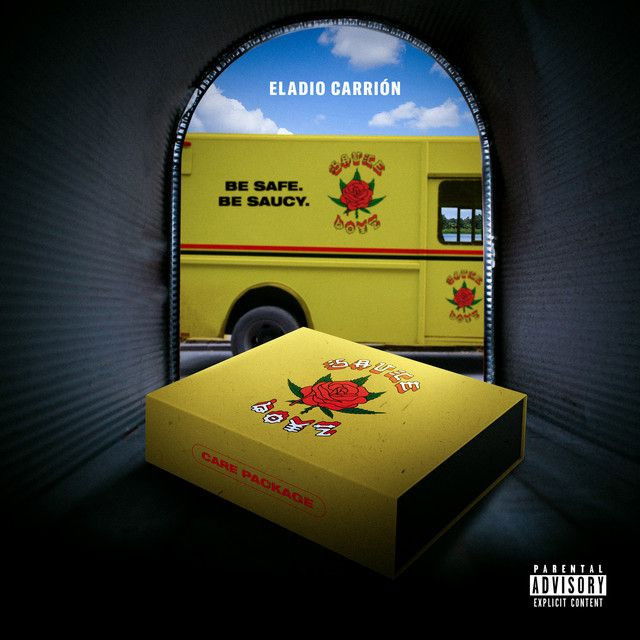
Ele Uve by Eladio Carrion
Why This Brag Rap Hits Harder Than It First Seems
The meaning of Ele Uve Eladio Carrion starts with swagger, but it does not end there. On the surface, the song is a fast, funny flex track built on luxury brands, street confidence, weed references, and sharp put-downs. Under that surface, though, it is also about upward movement: they present success as something earned after leaner days, not something handed over.
"Ele Uve" - Eladio Carrion
Ante' no comía bien, ahora como Rib-Eye
Big boss, Rick Ross, como D.Y.
Loading lyrics...
Unable to load lyrics
We're unable to display the lyrics at this time. Please try again later.
Eladio Carrión has built a reputation in Latin trap through technical writing, deadpan delivery, and a style that mixes jokes with menace. In “Ele Uve,” they use that toolkit to turn a simple status anthem into a statement of arrival. The song keeps saying, in different ways, that they have made it, they know who is faking it, and they refuse to shrink their presence.

Watch the official Ele Uve
music video
The Core Meaning: Success, Status, and Survival
At its center, the track is about visible success after struggle. Early in the song, they contrast the past with the present: once they did not eat well; now they eat well and dress in designer labels. That shift matters because it frames the luxury talk as proof of progress, not empty name-dropping.
The repeated image of LV en mi pantalone'
does more than mention Louis Vuitton. It works like a badge. They are saying their rise can now be seen in public, on their body, in the way they move. The title itself points to that visual marker of status.
Another key line is antes no comía bien
. That phrase gives the song its emotional base. Without it, “Ele Uve” would just be a brag record. With it, the flexing becomes a victory lap after scarcity.
How the Verses Build Their Persona
A Hero of Their Own Come-Up
Eladio’s voice in the song is competitive, amused, and watchful. They compare themselves to bosses, athletes, and captains. When they say yo estoy ballin', NBA
, they are not only boasting about money. They are setting a league table. Others may think they are winning too, but the song argues there are levels.
That ranking system runs through the whole track. Rivals are treated as small-time, fake, or dependent on tricks. One of the sharpest examples is the accusation that someone paid a DJ to push their music. Whether heard literally or as a broader insult, the point is clear: real motion does not need artificial help.
The Hook as a Mission Statement
The recurring material feels less like a traditional chorus and more like a mantra. It repeats the same symbols of wealth, smoking, coolness, and control until they become identity. Phrases like siempre estamo' lowkey
add an interesting twist. They are high-profile, but they still move with caution.
That matters because the song does not present fame as carefree. It presents it as something to manage. They are visible, but guarded.
From Hunger to Ice: The Song's Main Images
“Ele Uve” uses simple, memorable images to tell a larger story.
- Designer clothing stands for proof of arrival.
- Good food stands for escaping lack.
- Jewelry and a cold neck stand for wealth made physical.
- Sports references turn success into competition.
- Lowkey movement suggests survival instincts remain.
The line about the neck being cold enough for hockey is a classic rap exaggeration, but it also fits the song’s larger point. Wealth is not abstract here. It is worn, eaten, smoked, and displayed.
Then the song shifts to a clearer origin story. In one of its most revealing passages, they stress that there were no shortcuts and that they came desde abajo
.
Trabajando, nunca cogimo' atajo
'Tamo arriba
gracia' a Dio'
venimo' desde abajo
This is the closest thing the track has to a thesis. They frame success as labor, blessing, and persistence. That gives the song a different weight from pure luxury rap.
How the Production Supports the Meaning
The beat, credited in the lyrics to Soteldo, gives “Ele Uve” a roomy, confident feel. The production does not sound rushed or chaotic. Instead, it leaves enough space for punchlines to land and for Eladio’s calm delivery to feel dominant.
That matters because the song’s power comes from control. They rarely sound desperate to impress. The beat supports that by staying steady, dark, and minimal in a way common to modern Latin trap. A more emotional or melodic production would have changed the message. Here, the sparse rhythm lets each flex feel deliberate.
For broader context on Eladio’s career arc, readers can look at their Billboard interview, which discusses their rise in Latin rap. Song credits are also listed on Genius, where the credited writers match the collaborative nature of the track.
Interpretation: More Than Just Flexing?
Interpretation: One reading is that “Ele Uve” is a celebration of material success in a genre where status symbols are part of the language. On that level, it is playful and aggressive, full of jokes, comparisons, and dismissals.
Interpretation: Another reading is that the song is about protecting hard-won identity. The move from not eating well to luxury fashion suggests that they are not merely showing off. They are making sure nobody forgets where they started or what it took to get there.
That is why the insults toward rivals matter. They are not random. They reinforce authenticity. In the song’s world, false shine is easy to spot, while real success comes from work, patience, and staying alert.
Final Take on the Meaning of Ele Uve Eladio Carrion
The meaning of Ele Uve Eladio Carrion is best understood as a victory anthem with memory still attached. It celebrates luxury, but it never fully lets go of hunger. It mocks weaker competition, but it also explains the code behind the confidence: no shortcuts, no fake push, no forgetting the bottom.
That blend is what gives the song staying power. “Ele Uve” is flashy, funny, and hard-hitting, yet its strongest idea is simple: when success finally arrives, they want it seen.
Disclaimer: This article offers interpretation based on the lyrics, performance, and available public context. Meanings can vary by listener.







