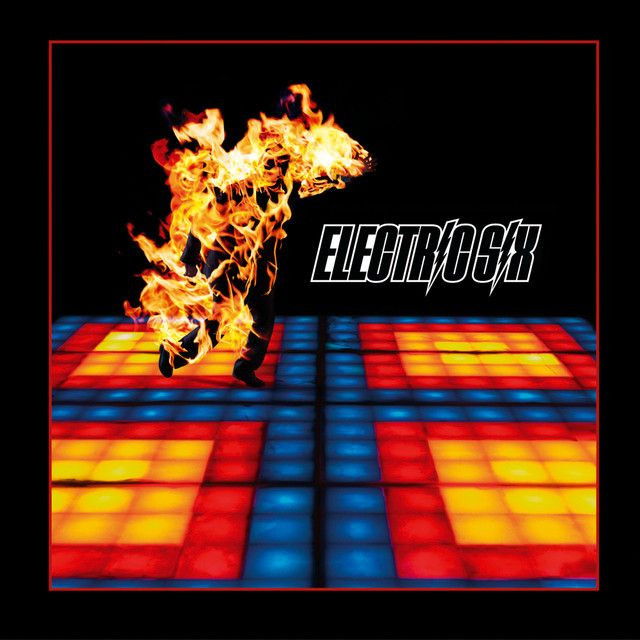
Gay Bar by Electric Six: Camp, Chaos, and Satire
Why This Song Still Starts Arguments
The meaning of Gay Bar Electric Six is tricky on purpose. On the surface, the song sounds like a wild, silly chant about going out, spending money, causing trouble, and becoming famous. But that surface-level chaos is exactly why people still talk about it.
"Gay Bar" - Electric Six
I want to take you to a gay bar
I want to take you to a gay bar
Loading lyrics...
Unable to load lyrics
We're unable to display the lyrics at this time. Please try again later.
Released in 2003 as a single from Electric Six's debut album Fire, the track became one of the band's signature songs. It mixed garage-rock swagger, dance-punk energy, and camp humor into a two-minute rush that was hard to ignore.
Factually, singer and writer Tyler Spencer, better known as Dick Valentine, has said the song was meant to be funny and not overly deep. In a brief comment reported by Songfacts, he described it as a joke built from words that loosely connect while also resisting a single neat meaning.
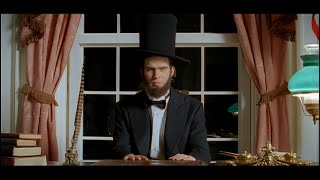
Watch the official Gay Bar
music video
The Core Idea Beneath the Joke
At its center, the song is less a story than a performance of excess. It stacks outrageous ideas on top of each other: flirtation, nightlife, war, money, sex, and celebrity. That pileup matters.
Rather than guiding listeners through a realistic scene, the song turns the phrase gay bar
into a stage where anything can happen. In that space, normal rules seem to break down. Desire becomes louder, politics become absurd, and identity becomes theatrical.
Interpretation: One strong reading is that Electric Six use the setting as a symbol of freedom and spectacle. The club is not just a place. It is a carnival zone where taboos, ego, and fantasy all get pushed to cartoon level.
A Chorus That Works Like a Slogan
The repeated hook about wanting to take a girl somewhere is simple enough to remember after one listen. But its repetition gives it a strange double effect. It sounds playful, yet also aggressive and obsessive.
That matters because the song keeps treating the location as both invitation and dare. When the singer insists on this destination, they are not building romance in a tender way. They are building momentum. The chorus becomes more like a chant at a party than a confession.
I want to take you
to a gay bar
Those lines are catchy because they are so blunt. Paraphrased, the singer is not asking for emotional closeness. They are demanding entry into an intense social scene.
How the Verses Turn Desire Into Absurdity
The song's verses keep escalating. One moment is about cash, with the singer asking if the other person has any money and wanting to spend it all. Another uses a blunt sexual boast with something to put in you
. Then another leaps into the shocking line about start a war
and even nuclear war
.
Taken literally, these ideas do not fit together. That mismatch is the point. Electric Six push macho rock language until it becomes ridiculous. Seduction, conquest, spending, and destruction all get treated like parts of the same loud performance.
Interpretation: This can be heard as satire of hyper-masculine posturing. The singer talks like a swaggering rock frontman, but the content is so overblown that the pose starts to mock itself.
That reading fits the song's timing. It arrived at the start of the Iraq War, and the war lyric was edited for some radio and video broadcasts. The censorship itself made the track feel even more tied to its moment. In a song already full of camp exaggeration, the sudden jump from clubbing to apocalypse sounds like a jab at how casually power and violence can enter popular language.
Camp, Queerness, and Deliberate Unsteadiness
A lot of listeners wonder whether the song is making fun of queer spaces, celebrating them, or just using the phrase for shock. The honest answer is that it leaves room for tension.
Factually, Spencer has explained the title idea came from mishearing Devo's "Girl U Want" in a loud club. That origin story supports the idea that the song began as a comic sound-image rather than a serious social statement.
Still, songs do more than reflect intent. In practice, you're a superstar
turns the bar into a place of transformation. The ordinary person becomes visible there. They become glamorous, desired, and larger than life.
Interpretation: That means the song can also be heard as admiring the liberating energy of nightlife, especially spaces where identity is performed openly and boldly. Even if the band began with a joke, the song's camp style gives it a strange affection.
Why the Sound Sells the Meaning
The production is a huge part of why the song works. It runs only about 2:20, so it does not pause long enough for listeners to settle into one reading. The guitars are crunchy and primitive, the beat is driving, and the vocals feel half-snarled, half-winked.
That combination creates productive confusion. Garage rock usually carries grit and danger, while disco-friendly repetition suggests dance-floor release. Electric Six slam those impulses together. The result sounds like a party that might also be a parody of a party.
The vocal delivery matters too. Spencer sounds committed, but not sincere in a plain emotional sense. He performs the song like an entertainer who knows the whole scene is exaggerated. That keeps the song from reading as realism.
The Video Added Another Layer
The famous video amplified the song's weird politics. It features Abraham Lincoln imagery in the White House and pushes the song's camp mood into near-surreal territory. That visual choice turns American power symbols into draggy, unstable theater.
In other words, the video helps explain why the song's references to sex, fame, and war feel connected. It is all spectacle. National myth, macho behavior, and nightlife performance are shown as costumes.
Final Take on the Meaning
So, what is the meaning of Gay Bar Electric Six? Most likely, it is a knowingly stupid song that uses repetition, camp, and provocation to parody desire and swagger while celebrating the thrill of performance.
Its genius is that it never fully settles. It is funny, catchy, crude, and oddly revealing at the same time. That instability is why it lasted.
Disclaimer: This interpretation separates documented facts from critical reading. As with many satirical songs, meaning can shift depending on the listener, the era, and the performance context.







