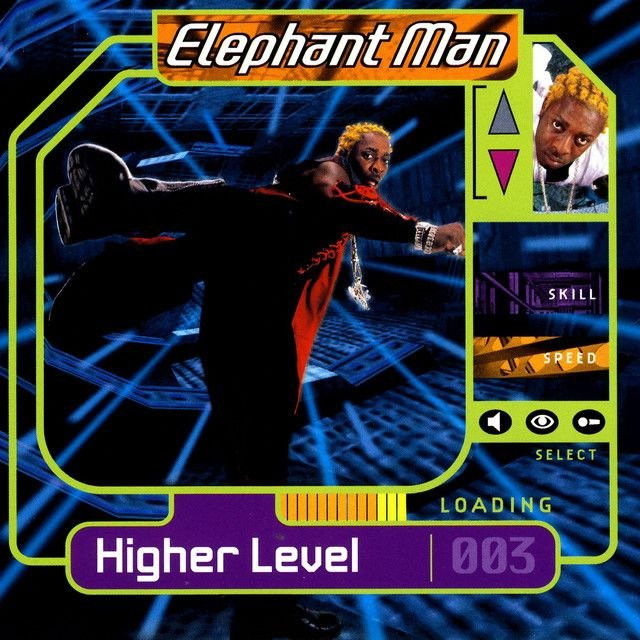
What “Bumper” by Elephant Man Is Really Doing
The meaning of Bumper Elephant Man starts with movement, not story. This is a dancehall track built to control a room. It praises a dancer’s body, calls for physical motion, and turns that motion into the main event. Rather than telling a deep narrative, the song creates a party scene where rhythm, flirtation, and performance matter most.
"Bumper" - Elephant Man
Shizzle ma nizzle
Ladies getting wild in the capizzle
Loading lyrics...
Unable to load lyrics
We're unable to display the lyrics at this time. Please try again later.
Elephant Man became known as one of dancehall’s biggest hype artists, with a career tied to high-energy club records and commanding stage presence, as noted by sources like AllMusic. In that context, “Bumper” makes sense as a song about dancefloor excitement and public display. Its meaning comes from how it celebrates dancing as confidence, spectacle, and social power.
The Core Meaning Hides in Plain Sight
At its most direct, the song is about admiring women dancing and urging them to move with more intensity. The repeated command cock up yuh bumpa
is the whole center of the track. In plain terms, it asks women to lift and present their hips or backside while dancing.
That makes the song less about romance than about performance. The speaker is not building an emotional relationship. They are reacting to presence, shape, motion, and confidence in a crowded party setting. The women in the song are described through exaggerated comparisons and flirtatious praise, which turns the dancefloor into a place where style and body control become status.
Interpretation: The song can be read as both celebratory and objectifying. It admires female dancers and treats them as stars of the space, but it also reduces them to body parts and sexual appeal. Both things can be true at once, and that tension is common in club-focused dancehall.
Watch the official Bumper
music video
How the Verses Build the Party Scene
The lyrics work by stacking images instead of telling a plot. They move from hype-man chatter into direct praise, then into dance commands, then into guest verses that keep the same energy. This structure matters for understanding the meaning of Bumper Elephant Man.
Elephant Man uses size and shape comparisons to make the dancers sound larger than life. Phrases like broader than the escalade
and rounder than the tundra
are not subtle poetry. They are loud, funny, oversized boasts. In dancehall, that kind of exaggeration is part of the style. It turns attraction into spectacle.
There is also a constant focus on motion. The women are asked to wine up
and keep moving in front of the speaker and the crowd. The song treats dance as a language of desire. Instead of saying someone is attractive in a quiet way, it makes attraction visible through movement.
The Guests Reinforce the Same Message
Big Tigger’s section keeps the club perspective. His verse is less about character than chase. He wants to move closer, impressed by the way a woman stands and dances. Sasha’s verse shifts the angle slightly because a woman takes over the vocal space and answers back with her own sexual confidence.
hold your position
watch your styling
That brief moment matters because it adds agency. Sasha is not just being described. She describes herself as active, desirable, and fully in command of how she moves. That does not erase the song’s objectifying side, but it does widen the frame.
Dancehall Context Changes the Reading
To a U.S. listener hearing the song outside its original scene, the lyrics can sound blunt or repetitive. Inside dancehall tradition, though, repetition is the point. The hook must be simple enough for a crowd to answer instantly. Call-and-response, body-focused slang, and rhythmic commands are central features of the genre, as discussed in broad histories of Jamaican popular music such as Britannica’s reggae overview.
That context helps explain why the song feels more functional than reflective. It is designed to make bodies move now. Elephant Man often worked in that lane: records that acted almost like dance instructions, driven by vocal bursts, catchphrases, and strong rhythmic pockets rather than complex storytelling.
So the meaning of Bumper Elephant Man is not hidden in metaphor. It sits on the surface. The song celebrates the dancer who can dominate a room, draw attention, and turn movement into power.
How the Production Carries the Meaning
The beat supports that message by leaving room for bodies and voices first. The rhythm is springy and percussive, with the kind of bounce that makes short commands land hard. Dancehall production often strips things down so the deejay’s phrasing and the bass pulse can lead, and that is what happens here.
The chorus repeats enough to feel almost physical. It is not trying to reveal new information. It is trying to drill one action into the listener’s body. Every return to the hook makes the song feel less like a speech and more like an instruction shouted over speakers.
Elephant Man’s delivery matters too. He performs with a teasing, excited push that turns each line into crowd bait. The guest appearances add texture without changing the basic goal: keep the energy rising, keep the attention on dancing, and keep the room engaged.
So What Is the Song Saying?
The clearest answer is simple: it is a party record that celebrates bold dancing and physical confidence while openly sexualizing the women at its center. That is the real meaning of Bumper Elephant Man.
Interpretation: A more generous reading says the track captures a dancehall space where dancers gain attention and power through style, rhythm, and command of their bodies. A more critical reading says it treats that power mainly through a male gaze. Both readings are supported by the lyrics and performance.
In the end, “Bumper” works because it knows exactly what it wants to be. It is loud, repetitive, playful, and built for motion. It does not ask for quiet thought on the first listen. It asks for a reaction.
Disclaimer: This interpretation is based on the song’s lyrics, performance style, and dancehall context. Meaning can vary by listener and cultural perspective.








