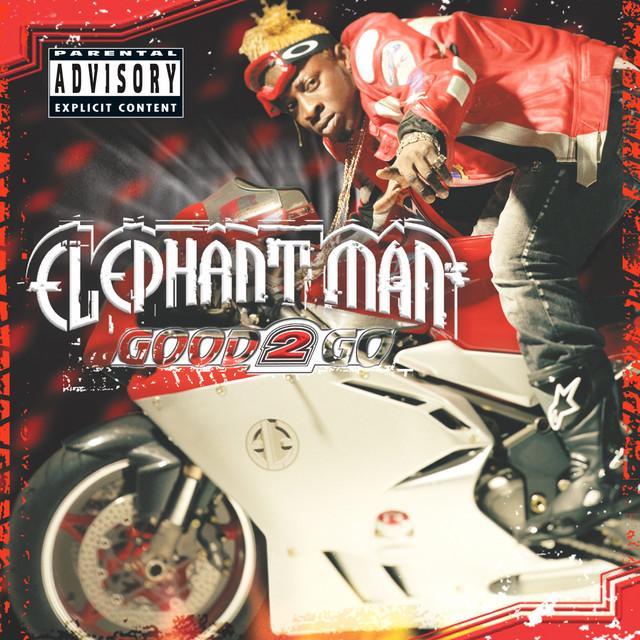
Why "Pon De River Pon De Bank" Moves People
The meaning of Pon De River Pon De Bank Elephant Man starts with motion. This is not a reflective ballad or a hidden breakup song. It is a dancehall record built to make people move, but it also says something bigger about community, style, and status inside Jamaican dance culture.
"Pon De River Pon De Bank" - Elephant Man
I've Seen Nuff Dance Before (John)
But I've Never Seen A Dance Like This (Bogle)
Loading lyrics...
Unable to load lyrics
We're unable to display the lyrics at this time. Please try again later.
Elephant Man became known as one of dancehall’s great hype voices, a performer who could turn a rhythm into an event. This track fits that role perfectly. Rather than tell one clear story, they use shout-outs, dance instructions, and crowd energy to show how a new dance spreads from one place to another.
More Than a Party Chant
At the simplest level, the song celebrates a dance craze. The hook keeps returning to Pon Di River Pon Di Bank
, which sounds like a location call, almost like a meeting point. In plain terms, they are painting a scene where people gather, show off steps, and make the space feel alive.
But the song is also about reputation. Elephant Man and the dancers named in the lyrics are not just having fun. They are proving they can create the next big move. When the lyric says they have seen nuff dance before
but never one like this, the idea is clear: this dance is supposed to rise above earlier trends.
Interpretation: The song treats dance not as a small hobby, but as cultural power. Whoever creates the dance controls the moment.
Watch the official Pon De River Pon De Bank
music video
How the Verses Build a Dancehall World
Instead of using deep personal confession, the verses work like a roll call. They name dancers, neighborhoods, and scenes. That matters because dancehall often grows through public recognition. A move becomes real when people in the street, in clubs, and in videos repeat it.
Lines like We tek dancing to a higher rank
frame dancing as serious craft. The boast is playful, but it also tells listeners that this crew sees dance as skill, innovation, and competition.
There is also a social code in phrases like Real badman nuh wear people pants
. Paraphrased, the song praises originality. They are saying real style means bringing one’s own look and one’s own moves, not copying someone else.
That idea links the whole song together:
- invent a fresh dance
- perform it with confidence
- let the crowd validate it
- watch it spread across communities
The Chorus as an Invitation
The chorus is simple, and that is the point. Repetition helps turn a phrase into a public chant. In dance music, the hook is often less about narrative detail and more about creating a shared signal.
Here, the repeated setting and the claim that the dance tops the list work together. One part invites the body in; the other raises the stakes. Listeners are not just asked to dance. They are told they are witnessing the hottest move in the room.
Kick out yuh shoesbecause yuh foot dem nuh cramp
That short moment captures the song’s mood well. Paraphrased, they are saying the dance is so exciting that no one should hold back. Comfort, coolness, and movement all become part of the same message.
Why Bogle and the Shout-Outs Matter
A key part of the meaning of Pon De River Pon De Bank Elephant Man is its connection to real dancehall figures. The song mentions Bogle, one of Jamaica’s most influential dancers and choreographers, as well as other names tied to the scene. Those references are important because they root the song in a living culture, not just a commercial single.
For U.S. listeners, this can sound like name-dropping. In context, though, it is closer to documentation and tribute. Dancehall songs often preserve who started a move, who made it famous, and which areas embraced it first.
Interpretation: The song doubles as a map of dancehall authority. Elephant Man is not only entertaining the crowd; they are placing this dance inside a network of respected creators.
Movement, Space, and Unity
One of the most interesting themes is unity. The lyrics mention different places and groups coming together. That gives the record a wider meaning than simple self-promotion.
The song suggests that a great dance crosses borders. It can lock Jamaica and the Bronx at the same time. It can bring neighborhoods together. It can turn rivalry into shared excitement, even if the song still keeps a competitive edge.
That is why the river and bank image matters. Whether literal or symbolic, it creates a public outdoor feeling. This is dance as something open, communal, and impossible to keep contained.
How the Sound Carries the Message
The production style supports everything the lyrics are doing. The beat is brisk and percussive, with a chant-ready structure that leaves room for call-and-response vocals. Elephant Man’s delivery is sharp, excited, and rhythmic, pushing the track forward like an emcee leading a crowd.
This matters because the song’s meaning lives in performance as much as words. A slower or more polished arrangement would weaken it. The raw bounce makes the record feel immediate, like it belongs to a dance floor rather than a private diary.
In that sense, the production turns the song into proof of its own argument: dancehall power comes from energy shared in real time.
The Lasting Takeaway
So what is the meaning of Pon De River Pon De Bank Elephant Man? At its core, it is a celebration of dance as identity, influence, and community. The song says a new move can carry pride, connect people, and turn local creativity into something bigger.
It stays memorable because it does more than ask people to dance. It shows how a dance becomes an event, and how an event becomes culture.
Disclaimer: This interpretation is based on the lyrics provided, the song’s dancehall context, and common critical reading. Meaning in music can remain open to different listener perspectives.







