What 'LION' Really Declares About Jesus
The meaning of LION Elevation Worship, Chris Brown, Brandon Lake comes into focus fast: this is a worship anthem about Jesus as both suffering Savior and reigning King. Rather than telling a personal story, they build the song from biblical titles and images, then turn those images into a communal call to praise.
"LION" - Elevation Worship ft. Chris Brown, Brandon Lake
Great I am
King of angels
Loading lyrics...
Unable to load lyrics
We're unable to display the lyrics at this time. Please try again later.
Performed by Elevation Worship with Chris Brown and Brandon Lake, “LION” appeared on the live album LION in 2022. According to widely cited release details, it was written by Brandon Lake, Chris Brown, and Steven Furtick, and produced by Chris Brown and Steven Furtick. It was released on March 4, 2022, and became one of the project’s signature songs.
A worship song built from Revelation imagery
At its core, the song presents Jesus through layered biblical names. Early lines stack titles like Great I am
and Son of man
, which gives the opening a grand, scriptural tone. Instead of describing feelings first, they describe who Christ is.
That matters because the whole song depends on recognition before response. The writers move from identity to action: first naming Jesus, then urging listeners to answer that truth with praise. In simple terms, the song says that if Jesus is truly Lord, worship should sound like it.
Interpretation: This structure also makes the song feel less private and more public. It is not about one believer’s quiet prayer. It is about a gathered church declaring who they believe rules over all things.

Watch the official LION
music video
Why the Lion image is the center of the song
The phrase Lion of Judah
comes from biblical language associated with kingship, victory, and messianic hope. In Christian reading, it points to Jesus. The song leans on that image to stress strength, authority, and holy majesty.
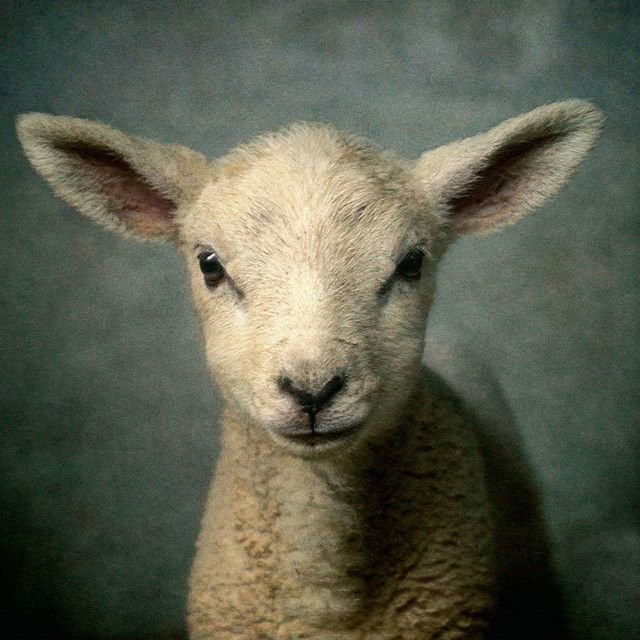
But “LION” does not stop with power alone. One of its most important turns is the contrast between lion and lamb. The lyrics paraphrase a Christian belief found in Revelation: the one who suffered is also the one who reigns. That is why the line about the Lamb suffering is so important to the song’s theology. They are saying Christ’s power is not separate from sacrifice.
So when the chorus repeats let the lion roar
, it is not just a dramatic slogan. It becomes a prayer for God’s voice, rule, and presence to be made known.
The chorus turns doctrine into a live experience
The repeated hook is what gives the song its force. Musically and lyrically, it is simple enough for a congregation to sing, but strong enough to feel huge in a live room. The word roar
suggests command, awakening, and holy disruption.
Interpretation: In this sense, the chorus is about more than volume. It asks for heaven’s reality to interrupt human fear, passivity, and spiritual dullness. The song imagines worship as a place where God is not distant or tame.
That helps explain why the repetition works. In many worship songs, repetition is not there to add new information. It is there to deepen response. Here, every return to the hook feels like an intensifying act of trust.
The “prepare the way” section widens the message
Late in the song, the lyrics shift into Prepare the way
. This brings in another biblical layer, echoing prophetic language about making room for the Lord’s arrival. Then come the images of valleys rising and mountains lowering.
Those lines turn geography into spiritual symbolism. Valleys can suggest low places, grief, or weakness. Mountains can suggest pride, resistance, or obstacles. By calling for both to be changed, the song paints a picture of God clearing a path through whatever blocks His presence.
Oh, valley
Be raised up
Oh, mountain
Be made low
This short section is one of the clearest moments in the song. It says worship is not only praise; it is preparation. Hearts, communities, and circumstances are being reshaped so that God’s glory can be seen.
How the sound carries the message
“LION” works because the production matches the lyric theme. Reported composition details list the song in D minor at 67 BPM, which gives it a slow, heavy pulse instead of a fast celebratory bounce. That pace creates weight.
Chris Brown has said the song came together quickly and that a single droning D note helped define its musical direction. That detail matters because the drone acts like a sonic foundation. It gives the track tension, steadiness, and a sense of looming power.
The arrangement reportedly starts with a more restrained, piano-led feel before expanding into a massive live worship chorus. That build mirrors the lyric movement from naming Jesus to proclaiming His reign. Brandon Lake and Chris Brown’s vocal delivery adds to that effect: one part reverent, one part urgent, both aimed at making the room sing back.
Why the song connected so strongly
The song’s reception shows that listeners heard it as an anthem. It charted on Christian music rankings after release and became one of the defining tracks from the album. Critics also described it as powerful and anthemic, especially because of its Revelation-based imagery and live energy.
That response makes sense. “LION” balances theology and immediacy well. It is rich in scriptural references, but its main idea is easy to grasp: Jesus is worthy, present, and powerful.
Final takeaway on the song’s meaning
The meaning of LION Elevation Worship, Chris Brown, Brandon Lake is a bold worship declaration. They present Jesus as the promised King, the suffering Lamb, and the roaring Lion whose presence changes everything.
Interpretation: The song’s deepest message may be that true worship is not only admiration. It is alignment. When they sing about the Lion roaring and the way being prepared, they are inviting listeners to let God’s rule reorder what is low, high, broken, or resistant.
That interpretation is ultimately one reading of the song, shaped by its lyrics, biblical imagery, and live worship context.








