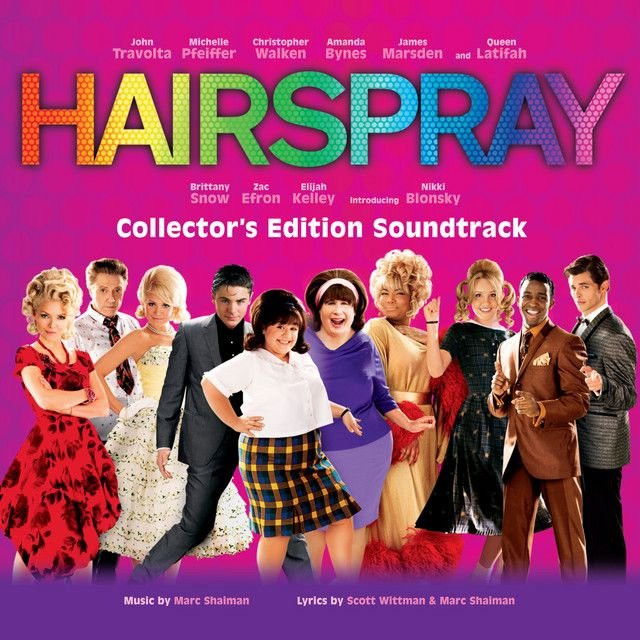
Run And Tell That by Elijah Kelley, Motion Picture Cast of Hairspray
Why This Song Hits So Hard
The meaning of Run And Tell That Elijah Kelley, Motion Picture Cast of Hairspray starts with a simple idea: this is a joyful song about dignity in a world that keeps trying to shrink people. In the 2007 Hairspray film, Elijah Kelley performs it as Seaweed J. Stubbs, and the number turns frustration about racism into confidence, humor, and movement.
"Run And Tell That" - Elijah Kelley, Motion Picture Cast of Hairspray
And only see the color of my face, oh yeah
And then there's those that try to help, god knows
Loading lyrics...
Unable to load lyrics
We're unable to display the lyrics at this time. Please try again later.
Factually, the song comes from the Hairspray musical by Marc Shaiman and Scott Wittman, and in the film it is led by Seaweed with Inez and the ensemble. According to the Hairspray Wiki, the scene follows a conversation about where it is “safe” to go in segregated Baltimore. That setup matters because the song is not random celebration. It is an answer to prejudice.
Watch the official Run And Tell That
music video
A Proud Reply to Racism
At its core, the song says that Black identity is not something to hide, soften, or apologize for. Seaweed opens by describing how people judge him by appearance before they know him. He also points out a second problem: even people who claim they want to help still try to control him and keep him in my place
. That phrase sums up the social system around him.
Instead of asking others to ignore race, Seaweed takes a stronger stance. He does not ask for “color blindness.” He argues that people should see Blackness clearly and value it. That is why the chorus uses food imagery like the blacker the berry
and the darker the chocolate
. These lines are playful, but they carry a serious point: what society marks as lesser is actually rich, beautiful, and desirable.
Interpretation: The chorus is a direct reversal of racist thinking. Seaweed takes insults that could be aimed at skin color and flips them into praise. The command run and tell that
turns pride into public speech. He is not whispering self-worth. He is announcing it.
How the Verses Build the Message
The verses move in a clear order:
- Seaweed names the problem: people reduce him to race.
- He rejects fake politeness and forced limits.
- He answers with pride and attraction.
- Inez broadens the song into a group statement about poverty, exclusion, and hope.
- The finale imagines a fairer world.
That structure is important. The song starts personal, then becomes communal. What begins as Seaweed’s response turns into a shared voice for kids who are shut out of schools, TV, and public space.
Inez’s section deepens the meaning. She is tired of hiding pride and ready to speak in her own voice. Her lyrics also mention families struggling to pay rent, which links racism to class pressure. The song understands that exclusion is not just emotional. It affects jobs, opportunity, and daily life.
“I’m tired of coverin’ up all my pride
So give me five on the black-hand side”
In two short lines, the song moves from suppression to solidarity. Pride becomes public. A private feeling becomes a social bond.
What “Run and Tell That” Really Means
The hook can sound playful on first listen, but it carries a challenge. As noted on Wikipedia, the phrase has roots in African American musical expression and can mean going out and spreading the news of coming success. In this song, it means: go tell the world that the people you dismiss are not ashamed, and they will not stay invisible.
That matters in Hairspray, a story built around segregation in 1960s Baltimore. Seaweed is not just defending himself. He represents a younger generation pushing toward integration and equal visibility. So when the song says, in effect, spread the word, it sounds almost like a mini protest slogan.
Interpretation: The hook works because it does two things at once. It celebrates Black beauty, and it dares the listener to repeat that truth out loud.
The Sound Turns Anger Into Joy
Musically, this number helps its message land. It is written as an R&B-styled ensemble piece with a strong groove, bright horns, and call-and-response vocals. That design makes the song feel social rather than isolated. Seaweed may lead it, but the arrangement keeps reminding the audience that he stands with a community.
The repeated chorus and rhythmic backing parts also make the song feel like something built to travel. It spreads from one voice to many, which matches the message of passing the truth along. The dance breaks add even more meaning. In Hairspray, dancing is never just dancing. It is visibility, freedom, and proof of talent in spaces that try to exclude Black performers.
Elijah Kelley’s film performance is a big part of why the song works so well. He sings with swagger and warmth rather than bitterness alone. That balance keeps the number from feeling heavy-handed. Critics noticed that energy at the time; reviews described the performance as especially electric and showy. The result is a protest song that smiles without losing its edge.
Why It Matters in the Story
Within the movie, this is Seaweed’s main solo statement, and it changes how viewers understand him. He is not only the cool, charming friend. He becomes one of the clearest voices for the film’s moral center. He explains the unfair world around the characters while refusing to let that unfairness define him.
The song also prepares the audience for Hairspray’s bigger message: integration is not only politically right, but culturally obvious. The music, dancing, and confidence of Seaweed, Inez, and their community are shown as essential to the life of the city. The world is smaller and poorer when it excludes them.
Final Take on the Song’s Meaning
The meaning of Run And Tell That Elijah Kelley, Motion Picture Cast of Hairspray is about Black pride, resistance to racism, and the power of public self-definition. It says that identity should not be hidden to make others comfortable. It should be seen, heard, and celebrated.
More than that, the song turns social criticism into a party-sized declaration. It invites people not just to agree, but to carry the message forward. That is why it remains one of Hairspray’s most energizing numbers.
Disclaimer: This interpretation is based on the film context, credited songwriters, and the lyrics as performed, but meaning in music can remain open to personal reading.







