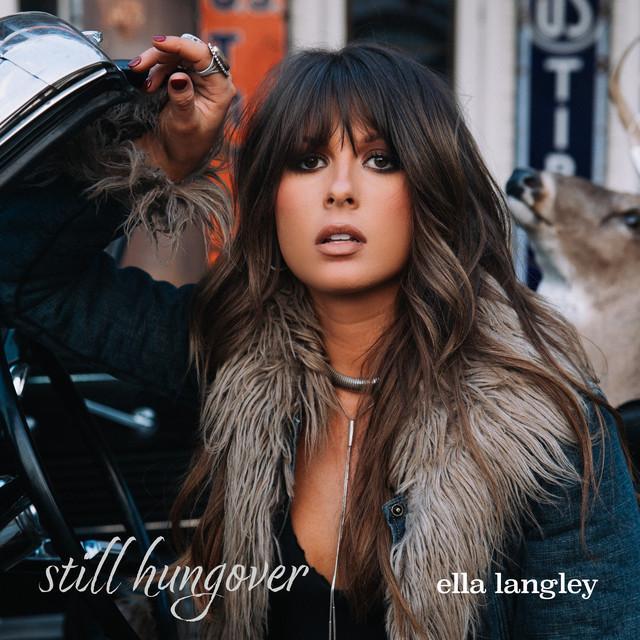
weren't for the wind by Ella Langley
The meaning of weren't for the wind Ella Langley comes down to one central conflict: they can imagine love, home, and stability, but something inside them keeps moving. In this song, the "wind" is not just weather. It becomes a symbol for restlessness, freedom, and a life that never fully stands still.
"weren't for the wind" - Ella Langley
But I've said a few goodbyes
I'd make a promise but I know later
Loading lyrics...
Unable to load lyrics
We're unable to display the lyrics at this time. Please try again later.
Released first in October 2024 and later pushed to country radio in January 2025, the track was co-written by Ella Langley, Johnny Clawson, and Joybeth Taylor, and produced by Will Bundy, according to current release information and credits reported by Wikipedia and Songfacts. It also became one of Langley’s biggest crossover songs, reaching No. 18 on the Billboard Hot 100 and No. 2 on Country Airplay in the U.S. Those numbers matter because they show how widely this theme connected.
A country song about wanting two opposite lives
At its core, the song is a confession. The narrator does not present themself as cruel. In fact, they sound self-aware and almost apologetic. Early lines make it clear they have left before, changed course before, and may do it again.
That is why short phrases like change my mind
and nobody knows when
matter. They show that the instability is not aimed at one partner alone. It is part of the narrator’s nature.
Interpretation: The song is less about rejecting love than about admitting they may be unable to stay still long enough to protect it. That honesty gives the track its sting.
The chorus turns wind into destiny
The chorus is where the song’s idea fully clicks. The narrator imagines an alternate life where a plane stays grounded, dust stays on the driveway, and they finally choose roots over motion. The dream is simple: a home, a partner, and a future that does not keep sliding away.
Phrases such as dig in some roots
and find me a farmhouse
make that fantasy feel tangible. These are not vague wishes. They are specific country images of permanence.
Then comes the turn: if it weren't for the wind
. That line reframes everything. The problem is not that love is unavailable. The problem is that movement feels stronger than attachment.
The narrator is honest, but not heartless
One reason the song lands is that it never makes the narrator sound proud of leaving. They understand the cost. They can see the life they might have had, and that vision seems to hurt.
This is especially clear in the contrast between domestic images and escape images. On one side, there is a settled future. On the other, there are planes, dust, white lines, tires, and rearview mirrors. The song keeps placing those worlds side by side.
"Maybe I'd settle down, dig in some roots
Find me a farmhouse, find me a you"
That brief moment is the emotional center of the song. It shows that commitment is not impossible in their imagination. It is simply overpowered by a stronger pull.
Western imagery gives the song its soul
Langley has said the song was shaped by driving through Wyoming and feeling those big, open, western landscapes. In a brief quote shared by Songfacts, they described horses, flat land, and "westerny type vibes" as part of the inspiration. That context helps explain why the song feels so visual.
The wind, tumbleweed, dust, and wide-open road are not random details. They build a classic Western frame around a modern emotional problem. Instead of a cowboy who cannot be tied down, this song gives that role to a contemporary country narrator balancing romance, identity, and motion.
Interpretation: The Western setting makes their restlessness feel mythic, almost larger than ordinary dating trouble. They are not just indecisive. They are written as someone shaped by open space itself.
How the sound carries the message
Production matters here. The track has been described as mid-tempo country, and that pace is important. It does not rush like a panic song, and it does not drag like a ballad of defeat. It moves steadily, like a highway drive.
Will Bundy’s production supports that feeling with a roomy, road-worn atmosphere. The arrangement leaves space around the vocal, which helps the song feel open rather than crowded. That sonic openness mirrors the lyric’s obsession with distance and escape.
Langley’s vocal also helps sell the meaning. They do not over-sing the regret. Instead, the delivery sounds firm, grounded, and resigned. That control makes the confession feel believable. They are not surprised by their own pattern; they are finally naming it.
Why listeners connected so strongly
The song’s success likely comes from how many people know this feeling, even if not literally. Most listeners may not vanish down back roads, but many understand being split between comfort and freedom, love and ambition, roots and reinvention.
The official music video, released in March 2025, pushes that reading further by showing a relationship that clashes with bigger personal dreams. While a video does not lock in one meaning, it supports the idea that the song is also about choosing a calling over a settled life.
Final takeaway on the song's meaning
The meaning of weren't for the wind Ella Langley is that love is not always defeated by a lack of feeling. Sometimes it is defeated by motion itself. This song captures the sadness of wanting to stay and knowing they probably will not.
That is what makes it strong: it is a country song about self-knowledge. They can picture the house, the partner, and the roots. But the horizon keeps calling louder.
Disclaimer: This interpretation is based on the released lyrics, publicly available credits and commentary, and the song’s recorded presentation. As with any song, some meanings remain open to listener interpretation.







