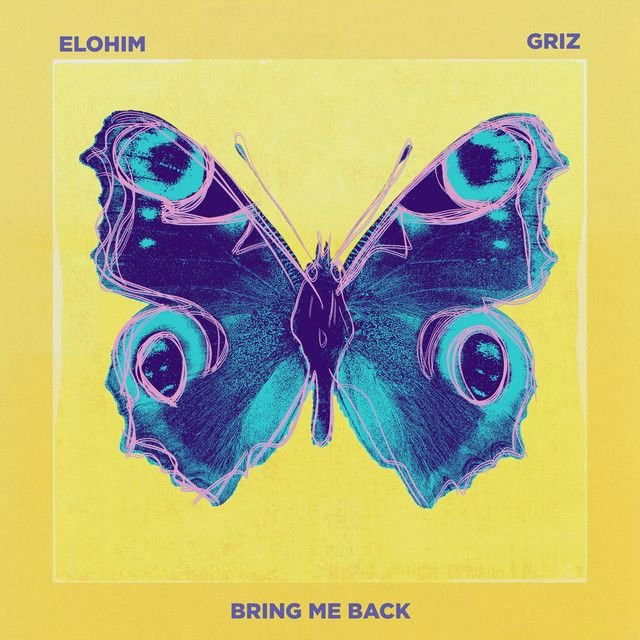
Why 'Bring Me Back' Feels Like Emotional CPR
The meaning of Bring Me Back Elohim, GRiZ centers on a desperate kind of love: the kind that feels healing, destabilizing, and necessary all at once. In this song, they frame intimacy as a rescue line. The narrator is not just asking for affection. They are asking to be pulled out of a mental and emotional spiral.
"Bring Me Back" - Elohim, GRiZ
I just gotta feel you by my side
The clouds are spinning, they keep getting thicker
Loading lyrics...
Unable to load lyrics
We're unable to display the lyrics at this time. Please try again later.
Elohim and GRiZ are both artists known for mixing feeling with electronic intensity, and that matters here. The lyrics are direct, but the song’s emotional force comes from how need, touch, and release keep folding into one another.
The Song’s Core Pulse Is Need
At the most basic level, the track is about someone who feels lost without another person close by. The opening image of being alone in bed sets that tone quickly. When the song mentions sleeping all alone
, it introduces more than loneliness. It suggests vulnerability, stillness, and the kind of late-night thinking that can make feelings seem larger.
That mood grows when the narrator describes the world turning cloudy and unstable. The image of the clouds getting thicker points to confusion or emotional fog. Instead of sounding calm and secure, they sound overwhelmed and pulled off balance.
Interpretation: The song treats love as a form of revival. The repeated request to be restored suggests the narrator believes this relationship can return them to themselves.
Watch the official Bring Me Back
music video
Desire and Rescue Become the Same Thing
One reason the song works is that it does not separate physical desire from emotional need. The lyrics move between sensual images and emotional urgency without much warning. That blur is the point.
When the narrator says through your fingers
and asks for desire, the song clearly enters intimate territory. But it does not stay there as simple seduction. Physical closeness becomes a language for safety, proof of presence, and a way to quiet inner chaos.
That is why the line bring me back to life
lands so strongly. It raises the stakes from attraction to survival. Even if listeners do not take that literally, the emotion behind it feels real: this person does not just want love; they want renewal.
The Chorus Turns Emotion Into a Mantra
The chorus is almost startlingly simple, built around one repeated plea: bring me back
. That repetition matters because it mirrors what intense emotion sounds like in real life. People in distress often circle the same thought again and again.
In pop and electronic music, repetition can also act like a trance device. Here, it creates both urgency and release. Each return to the hook feels like a fresh wave of need, but it also feels cathartic, as if saying it enough times might make the healing happen.
Why the Hook Feels Bigger Than the Words
The line out of my mind
helps explain the emotional state underneath the chorus. Love is not presented as calm or balanced. It is thrilling, but it is also destabilizing. The narrator seems caught between ecstasy and collapse.
Interpretation: That tension is the heart of the song. They are not singing about stable domestic comfort. They are singing about a bond so intense it can both undo them and save them.
The Song’s Imagery Maps a Move From Dark to Relief
Several recurring images give the track shape:
- night and sleep suggest isolation
- clouds and storms suggest confusion
- touch suggests grounding
- dance suggests release and escape
The line about loving someone through the storm is especially important, even in paraphrase. It changes the message from simple craving to endurance. This is not just about a perfect high. It is about wanting connection to survive hard moments.
Another telling idea is the wish not to lose more time. That gives the song a racing quality, as if the narrator knows emotional windows can close fast. They want honesty, contact, and healing now, not later.
Elohim and GRiZ Make the Feeling Physical
Artist context helps explain why the song hits this way. Elohim has built much of their work around emotional openness inside electronic pop, while GRiZ is widely known for energetic, soul-inflected electronic production and sax-driven color in his broader catalog. Those backgrounds make this pairing feel natural, even without overcomplicating the credits provided here.
Production-wise, the song’s meaning likely depends on contrast: soft or breathy vocal delivery against a stronger electronic pulse. That design turns private need into public catharsis. A lyric that might read as fragile on the page can feel huge once the beat lifts it.
This matters for the meaning of Bring Me Back Elohim, GRiZ because the music does what the words describe. It “brings back” momentum, breath, and motion. The narrator begins in emotional isolation, but the sound pushes them toward embodiment and connection.
Two Strong Readings of the Lyrics
There are at least two convincing ways to hear the song.
Reading One: A Romantic Lifeline
In the most direct reading, the narrator is speaking to a lover whose presence feels healing. The intimacy in the verses supports that view, and the chorus turns that dependence into a raw confession.
Reading Two: A Dance-Floor Rebirth
A second reading is that the song is also about music itself. The references to dancing, losing time, and being brought back to life fit the emotional logic of electronic music, where rhythm can feel restorative. In that sense, the “you” could partly be a person and partly the experience of surrendering to sound.
The Lasting Meaning of 'Bring Me Back'
What makes the song memorable is its refusal to act cool about need. It is open, repetitive, and almost painfully direct. That honesty gives it power.
In the end, the meaning of Bring Me Back Elohim, GRiZ is about reaching for connection when someone feels emotionally flooded. It presents love as touch, truth, escape, and revival at the same time.
Disclaimer: This interpretation is based on the lyrics provided and publicly known artist context. As with any song, meaning can vary by listener and may differ from the artists’ own intent.








