Why Elvis Made 'Are You Lonesome Tonight?' Ache
The meaning of Are You Lonesome Tonight Elvis Presley starts with a simple question, but the song is not simple at all. It sounds like a late-night phone call that never happened: one person replaying a breakup, wondering if the other person feels the same loss.
"Are You Lonesome Tonight" - Elvis Presley
Do you miss me tonight?
Are you sorry we drifted apart?
Loading lyrics...
Unable to load lyrics
We're unable to display the lyrics at this time. Please try again later.
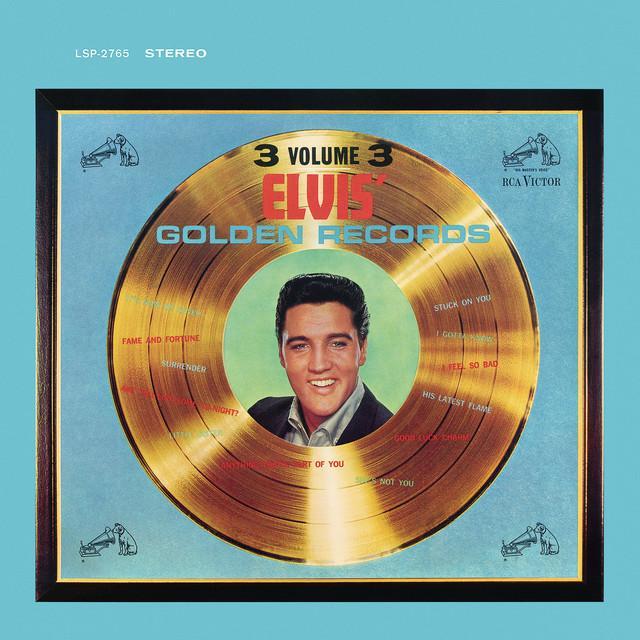
Elvis Presley did not write the song. Roy Turk and Lou Handman wrote it in 1926, and it had been recorded long before Elvis sang it. But his 1960 version became the defining one because he turned an old standard into something deeply private and fragile. According to documented session history, Elvis recorded it at RCA Studio B in Nashville during his first post-Army sessions, and the single went on to reach No. 1 in the U.S. and U.K. and sell in the millions (Wikipedia).
A Breakup Song Built on Questions
What makes the song hit so hard is that it almost never speaks in direct statements. Instead, it keeps asking: Are you lonesome tonight?
That repeated line sounds like concern, but it also exposes the singer’s own pain.
They are not calmly checking in on an ex. They are circling old memories, trying to measure what is gone. When the song mentions an empty room and asks whether the other person still imagines them there, it turns ordinary home details into evidence of absence. The chairs, the doorstep, the quiet house all suggest that love once gave those objects meaning.
Interpretation: The questions may be less about getting an answer and more about keeping the relationship alive in thought. If the other person is still lonely, then the bond is not fully dead.

Watch the official Are You Lonesome Tonight
music video
The Real Hurt Hides in the Middle
The song’s most revealing moment comes in the spoken bridge, where the romance becomes a theatrical performance. The narrator refers to the world's a stage
and breaks the relationship into acts, cues, and a final curtain.
That shift matters. Up to that point, the song is mournful. In the bridge, it becomes wounded and suspicious. The singer suggests that the partner once seemed sincere but later acted strange
. Then the song moves from sadness to betrayal with the blunt accusation, you lied
.
This is where the meaning grows richer. It is not only a song about missing someone. It is also about trying to understand whether the lost love was ever stable or honest in the first place.
Now the stage is bare
with emptiness all around
Those lines compress the whole emotional point of the song. The romance is over, the performance has ended, and the singer is left alone in the silence after it.
Why Elvis’s Performance Feels So Intimate
Elvis’s version works because the arrangement refuses to crowd the emotion. Reports from the 1960 session note a stripped-back setting with acoustic guitar, bass, drums, piano, and the Jordanaires’ soft backing vocals, with Elvis recording the master in the early morning after asking for a quieter, more intimate atmosphere (Wikipedia).
That matters to the song’s meaning. The production leaves space around the voice, so each question feels exposed. There is no big dramatic swell to hide behind. Instead, the listener hears hesitation, tenderness, and embarrassment all at once.
Even the spoken bridge, which could sound corny in another singer’s hands, feels human because Elvis delivers it like someone trying to hold composure while reliving a disappointment. That is a large reason critics later praised the recording as especially warm, tender, and intimate (Wikipedia).
Memory, Performance, and Empty Spaces
Several motifs carry the song’s message:
- Night: loneliness grows louder after dark.
- Home spaces: the parlor and doorstep show how love shaped daily life.
- The stage: romance is treated like a role that may have been performed.
- Emptiness: the loss is felt as physical space left behind.
These images link memory to place. The singer cannot just forget. Every room, object, and mental replay becomes part of the heartbreak.
Interpretation: The stage metaphor may also reflect emotional self-consciousness. The narrator seems aware of sounding dramatic, yet cannot stop. That tension gives the song its ache. They know they are replaying the scene, but they are trapped in it.
Why the Chorus Still Lands Decades Later
The title line keeps returning because it is both a plea and a test. On one level, the singer wants reconciliation. When they ask whether they should come back, they are reaching for hope.
But the line also asks for emotional equality. If both people are hurting, then the breakup still has shared meaning. If only one is lonely, then the singer has loved more deeply than the other person did.
That is why the meaning of Are You Lonesome Tonight Elvis Presley still connects with listeners in the United States and beyond. It captures a common post-breakup feeling: the need to know whether the other person remembers the relationship with the same weight.
Final Take on the Song’s Meaning
Elvis Presley’s recording turns an old pop standard into a close-up portrait of heartbreak. The song is about loneliness, yes, but also about doubt, memory, pride, and the fear that love may have been partly an act.
Its power comes from what it does not resolve. The singer never gets an answer. They are left with questions, an empty stage, and the possibility that missing someone is not the same as being missed back.
Disclaimer: This interpretation blends documented facts about the recording with informed reading of the lyrics and performance. Like many classic songs, its meaning can shift from listener to listener.








