Why "Bossa Nova Baby" Never Slows Down
The meaning of Bossa Nova Baby Elvis Presley starts with a simple comic setup: one person is exhausted, and the other refuses to stop the party. That tension powers the whole song. Rather than telling a deep tragedy or love confession, Elvis and his writers turn a dance-floor argument into a fast, funny portrait of attraction, pressure, and performance.
"Bossa Nova Baby" - Elvis Presley
I worked all day
And my feet feel just like lead
Loading lyrics...
Unable to load lyrics
We're unable to display the lyrics at this time. Please try again later.
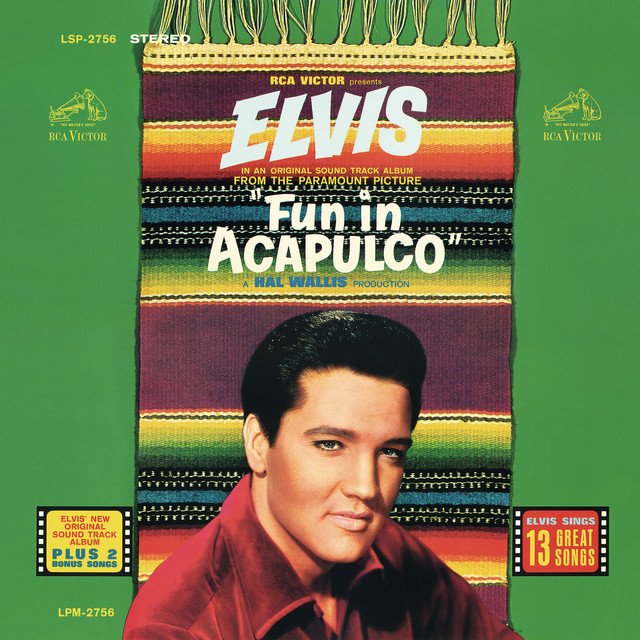
Recorded for the 1963 film Fun in Acapulco and released as a single later that year, the song was written by Jerry Leiber and Mike Stoller and reached No. 8 on the Billboard Hot 100. It was recorded on January 22, 1963, at Radio Recorders in Hollywood, with production credited to Joseph Lilley. Those facts are widely documented in standard reference sources on the song’s release history.
A Dance Song About Not Getting a Break
At the lyric level, the story is clear. The male narrator has already put in a full day of work and feels worn out. He complains that his feet feel heavy and his body is overheating. In response, the woman does not offer sympathy. She keeps ordering him back into motion, pushing him to dance instead of rest.
That is why the hook matters so much. When she calls him bossa nova baby
, it sounds playful, but it is also a command. The phrase turns him into a role he has to keep performing. He is not just a man at a club anymore. He is the designated source of energy.
Interpretation: The song is really about being trapped by someone else’s pace. The narrator wants relief, but attraction keeps pulling him back in. The humor comes from how every practical idea he offers gets shut down.
Watch the official Bossa Nova Baby
music video
Three Failed Escapes, One Running Joke
Each verse gives the narrator a new attempt to slow things down:
- He asks for rest because he is tired from work.
- He suggests they sit, drink, and enjoy the band.
- He tries to leave the room and go for a ride.
Every time, the woman rejects the plan. She insists, in effect, that this is no time to quit
. Later, she makes it clear she has no time to think
, which is a funny line because it shows how completely she is committed to movement over reflection.
This pattern gives the song its punch. The verses are not building toward emotional change. They are building toward comic repetition. No matter what he proposes, she answers with the same demand: keep going.
What the Chorus Says About Power
The chorus is catchy because it sounds carefree, but the power dynamic is more interesting than that. The woman controls the mood, the pace, and even the terms of the relationship. By the final verse, she warns that she will find another cat
if he cannot keep up.
That line matters because it raises the stakes. What began as flirtation now sounds competitive. Dancing becomes proof of worth. If he stops moving, he risks being replaced.
Interpretation: The song turns dancing into a test. Energy equals desirability. The narrator is not only trying to survive the night; he is trying to stay chosen.
Why the Sound Feels Bigger Than the Words
Part of the meaning of Bossa Nova Baby Elvis Presley comes from the arrangement. Although the title references bossa nova, Elvis’s version is not an authentic Brazilian bossa nova track. It is much closer to rock and roll with Latin-pop flavor. Reference sources on the recording note an organ riff, electric guitar, and mariachi-style brass, along with backing vocals from the Jordanaires and the Amigos.
That blend is important. The groove feels busy and bright, which mirrors the woman’s relentless push. The beat does not leave much room for the narrator’s complaints to settle. Even when he sounds tired, the band keeps nudging the song forward.
Elvis’s vocal is also key. He sells the joke by sounding half-exasperated and half-charmed. If they sang it with real anger, the song would feel harsh. Instead, they lean into swagger and comic frustration, which makes the conflict fun rather than bitter.
A Trend Song That Knows It Is a Trend Song
The early 1960s saw a wave of American pop songs borrowing from the bossa nova craze. In that context, “Bossa Nova Baby” works partly as a pop-culture snapshot. It uses the language of a fashionable dance style to package something familiar: a battle between fatigue and desire.
Co-writer Mike Stoller later acknowledged in interview-based commentary that the track was not really true bossa nova. That honesty helps explain why the record still works. It was not trying to be a pure genre exercise. It was using a hot trend as a frame for an Elvis performance song.
The Best Way to Read the Ending
There is no big emotional lesson at the end, and that is part of the charm. The song keeps circling the same demand: keep on dancin'
. That repetition suggests the night never really ends. The narrator may grumble, but he stays in the game.
Interpretation: The lasting appeal of the song is that it captures a very human situation in a light way. People often get pulled along by someone more intense, more excited, or more demanding than they are. “Bossa Nova Baby” turns that feeling into a two-minute burst of rhythm and comedy.
For listeners today, the song is less about literal bossa nova than about pressure, chemistry, and keeping up with a person who never wants the fun to stop.
Disclaimer: This article offers an informed interpretation of the song’s themes and style. Meanings can vary by listener and are not official unless the creators explicitly confirmed them.








