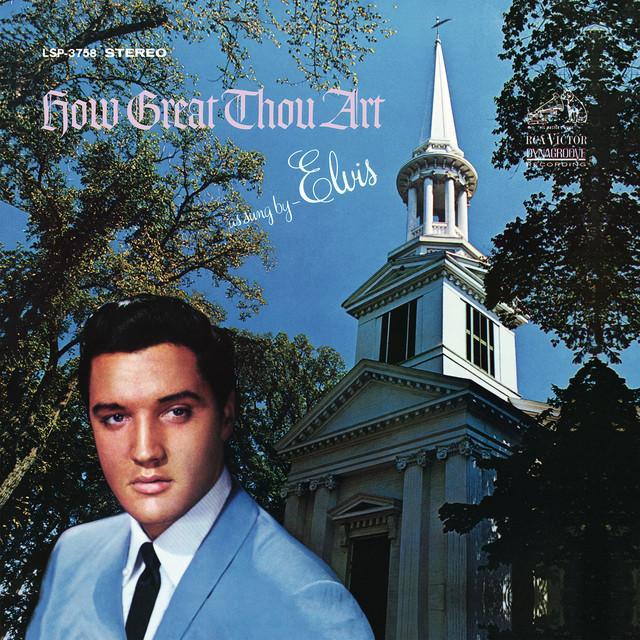
Why Elvis's 'Crying in the Chapel' Still Comforts
The meaning of Crying In the Chapel Elvis Presley comes down to one clear idea: peace arrives when a restless heart stops searching everywhere else and turns to faith. Elvis Presley did not write the song, but their recording made its message feel intimate, warm, and timeless.
"Crying In the Chapel" - Elvis Presley
The tears I shed were tears of joy
I know the meaning of contentment
Loading lyrics...
Unable to load lyrics
We're unable to display the lyrics at this time. Please try again later.
Written by Artie Glenn and first recorded by Darrell Glenn in 1953, the song already had a strong life before Elvis touched it. But Presley’s version, recorded in 1960 and finally released in 1965, became one of the most successful later-career singles of their catalog, reaching No. 3 on the Billboard Hot 100 and No. 1 in the UK according to the research data summarized from reference sources.
A Song About Relief, Not Just Tears
At first glance, the title sounds like a song of pain. That is the trick. The opening image, crying in the chapel
, suggests grief, but the lyric quickly reframes those tears as healing. The narrator is not collapsing; they are being restored.
The line about tears of joy
changes the emotional direction of the whole song. Instead of treating religion as fear or guilt, the song presents faith as comfort, steadiness, and emotional release. That is why the song still speaks to listeners outside strict gospel audiences. Its core message is simple: peace can feel like finally putting down a heavy load.
Watch the official Crying In the Chapel
music video
How the Lyrics Build That Meaning
The song moves in a very plainspoken arc, which is part of its strength:
- A person enters a sacred space.
- They admit they have been searching.
- They realize ordinary life has not brought peace.
- They find calm through prayer and shared worship.
That progression matters. The lyric does not start with certainty. It starts with need. When the singer says they searched and I searched
, the song frames faith as an answer to restlessness, not as something automatic.
Another key phrase is peace of mind
. That is the emotional target of the whole song. The chapel is less about architecture than about what happens inside it: surrender, clarity, and belonging.
The Chapel as a Symbol
On the surface, the chapel is exactly what it sounds like: a small place of prayer. But in the song, it also stands for a humble spiritual refuge. The lyric calls it a plain place where ordinary people gather. That detail matters because it rejects glamour and status.
Interpretation: the chapel symbolizes a place where people do not need to perform or impress. They only need to come as they are. In that reading, the song is not just about religion; it is about emotional honesty.
There is also a communal angle. The song does not imagine faith as a private trophy. It presents worship as a shared act, with people meeting in one accord
. That phrase gives the song a social warmth. It is not only about personal salvation, but also about being among others who seek the same peace.
Why Elvis Was the Right Voice for It
Elvis recorded the track at RCA Studio B in Nashville on October 31, 1960, with The Jordanaires on background vocals and Floyd Cramer on piano, according to the supplied research. Producers are commonly credited as Steve Sholes and Elvis Presley. Those details help explain why the performance feels polished but never overdone.
Their voice is the key. Presley sings with restraint here. They do not attack the song like a rock single. Instead, they lean into softness, breath, and reverence. That choice allows the lyric’s promise to land gently.
A brief recollection in the research from Jordanaires member Neal Matthews said Elvis cut it quickly because they were feeling good that day. Whether listeners know that anecdote or not, the performance carries that ease. It sounds lived-in rather than forced.
How the Sound Carries the Message
The arrangement is simple in the best way. Piano, background harmony, and a slow gospel-pop structure give the song a devotional mood. Nothing in the production fights for attention.
That simplicity supports the lyric’s message. If the song were louder or more dramatic, it could feel preachy. Instead, the measured tempo and smooth harmony create a sense of calm arrival. The music itself behaves like the peace the singer is describing.
Interpretation: Floyd Cramer’s piano and The Jordanaires’ cushion of harmony make the chapel feel audible. The song seems to place listeners inside a quiet room where reflection can happen.
Why the 1965 Release Mattered
Although Presley recorded the song in 1960, RCA released it in 1965 as an Easter-season single, where it became a major hit. Research notes that it was Elvis’ first million-seller since Return to Sender and their biggest chart success in a six-year stretch.
That timing adds another layer to the meaning of Crying in the Chapel. For audiences in 1965, the song may have felt like more than a gospel release. It also sounded like a reset: a reminder that Elvis could still deliver sincerity and emotional focus in a changing pop landscape.
A Lasting Meaning Beyond Doctrine
The meaning of Crying In the Chapel Elvis Presley is not limited to one denomination. Its real staying power is broader. The song says that when people feel worn down, they need a place, a practice, or a moment that gives them back to themselves.
For some, that place is religious. For others, the chapel may work as a metaphor for surrender, stillness, and community. Either way, the song turns crying into a sign that healing has already begun.
Final takeaway
Elvis Presley’s version endures because it treats faith less as argument and more as relief. It invites listeners to believe that burdens can grow lighter, and that peace may arrive quietly rather than dramatically.
Disclaimer: This interpretation blends documented facts about the recording and release with subjective reading of the lyrics and performance.







