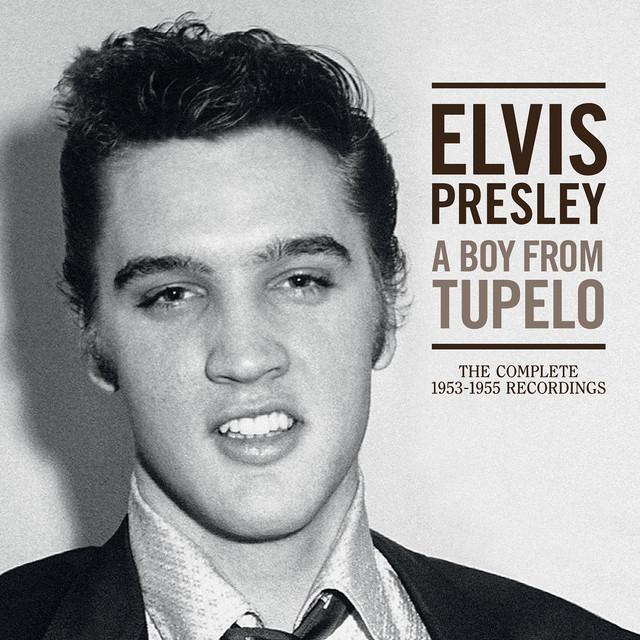
Why Elvis Made 'Good Rockin' Tonight' Explode
The meaning of Good Rockin' Tonight Elvis Presley starts with a simple promise: tonight will feel better than today. In Elvis Presley's hands, the song is not just about flirting or dancing. It is about turning worry into motion and making music sound like freedom.
"Good Rockin' Tonight" - Elvis Presley
Well, I heard the news, there's good rockin' tonight
I'm gonna hold my baby as tight as I can
Loading lyrics...
Unable to load lyrics
We're unable to display the lyrics at this time. Please try again later.
Factually, Elvis recorded the song for Sun Records on September 10, 1954, and it was released later that month as his second Sun single, produced by Sam Phillips. The track followed Roy Brown's 1947 original and Wynonie Harris's hit 1948 cover, both key steps in early rock and R&B history.
A Party Song With a Bigger Point
On the surface, the song tells a very direct story. The singer hears there is a hot party, wants to meet a lover, and plans to dance the night away. Phrases like good rockin' tonight
and rock all our blues away
make that clear.
But the song's deeper power comes from what the party represents. It is a place where stress, sadness, and limits disappear for a while. The lyrics keep moving from news, to action, to release. They hear something exciting is happening, they rush toward it, and they treat music as a cure.
Interpretation: That is why the song still lands. It frames rock and roll as emotional escape. The point is not just romance. The point is transformation.
Watch the official Good Rockin' Tonight
music video
From Roy Brown to Elvis: Why Context Matters
The song was written and first recorded by Roy Brown in 1947. Brown's version is often discussed as one of the records that anticipated rock and roll, and Brown's recording was later honored by the Blues Hall of Fame. Wynonie Harris then cut a more hard-driving version in 1948 that became a No. 1 R&B hit.
Elvis's take came in 1954, right as he was building his Sun-era identity. His version closely follows Harris's structure, but it strips things down and pushes the rhythm harder. Even though the single did not sell well at first, it later became a key part of the story of Elvis's early sound.
That matters for meaning. Elvis was not inventing the song's themes, but he was helping move them into a new musical language. His recording sits at the meeting point of jump blues, R&B, and rockabilly.
The Lyrics Sell Urgency, Confidence, and Release
The opening idea, I heard the news
, gives the song a spark of urgency. It sounds like joy is spreading through town and they do not want to miss it. The singer then moves quickly into physical and emotional confidence, including the boast mighty, mighty man
.
That bragging is playful, but it also fits a wider tradition in blues and early R&B. The speaker builds excitement by sounding bold, ready, and fully alive. They are not shy about desire, and they connect romantic energy to musical energy.
One short section sums up the whole message:
We're gonna rock
Let's rock
Come on and rock
We're gonna rock all our blues away
This is the emotional center of the song. It turns a private invitation into a group event. The mood shifts from one couple meeting up to everybody joining in. That broadens the song's meaning from seduction to celebration.
How the Sound Carries the Meaning
Elvis's version works because the arrangement sounds restless and excited. The Sun session featured Elvis on acoustic rhythm guitar and lead vocal, Scotty Moore on electric lead guitar, and Bill Black on double bass. That small lineup gives the recording a raw, open feel.
Bill Black's bass helps create the bounce that makes the song feel physical. Moore's guitar answers Elvis with sharp, bright lines that keep the track moving forward. Elvis sings with a grin in his voice, pushing words like let's rock
so they feel less like lyrics and more like commands.
Interpretation: The recording makes joy sound urgent. There is almost no space for stillness, which fits the lyric's promise of shaking off the blues. The music does not describe release from sadness; it performs it.
Why This Song Felt New in 1954
Part of the meaning of Good Rockin' Tonight Elvis Presley comes from timing. In 1954, American popular music was shifting fast. Elvis's early Sun records blended Black musical traditions in blues and R&B with country phrasing and a stripped-down Southern attack. That blend became central to rockabilly.
So when Elvis sang everybody's rockin' tonight
, it sounded like more than a party update. It sounded like a cultural change in progress. The song's language of movement and release matched what listeners were hearing in the music itself: fewer rules, more rhythm, more attitude.
A Few Strong Readings of the Song
There is more than one fair way to read it:
- Celebration reading: It is mainly a dance-floor anthem about fun and romance.
- Emotional escape reading: The key line about losing the blues suggests music as relief from stress.
- Proto-rock statement: The song presents "rocking" as a whole way of feeling, not just a dance step.
All three readings can be true at once. That layered meaning helps explain why the song lasted long after its first release.
Why Elvis's Version Still Matters
Elvis did not write "Good Rockin' Tonight," but he gave it a new charge. His version sounds young, hungry, and slightly dangerous in a way that helped define early rockabilly. Even its rough edges matter. They make the song feel immediate, like something happening right now.
In the end, the song is about what great early rock often promised: if the beat is strong enough, pain can be outrun for a night. That is the heart of the meaning of Good Rockin' Tonight Elvis Presley.
Disclaimer: This article offers an interpretation of the song's themes and artistic effect. Some meanings are subjective and may vary by listener.








