Why Elvis Made "Hard Headed Woman" a Joke
The meaning of Hard Headed Woman Elvis Presley starts with a complaint, but it does not end there. On the surface, the song says stubborn women have caused men trouble forever. Under that surface, though, Elvis and songwriter Claude Demetrius turn that idea into a fast, cheeky rock-and-roll routine rather than a solemn statement.
"Hard Headed Woman" - Elvis Presley
A soft hearted man
Been the cause of trouble
Loading lyrics...
Unable to load lyrics
We're unable to display the lyrics at this time. Please try again later.
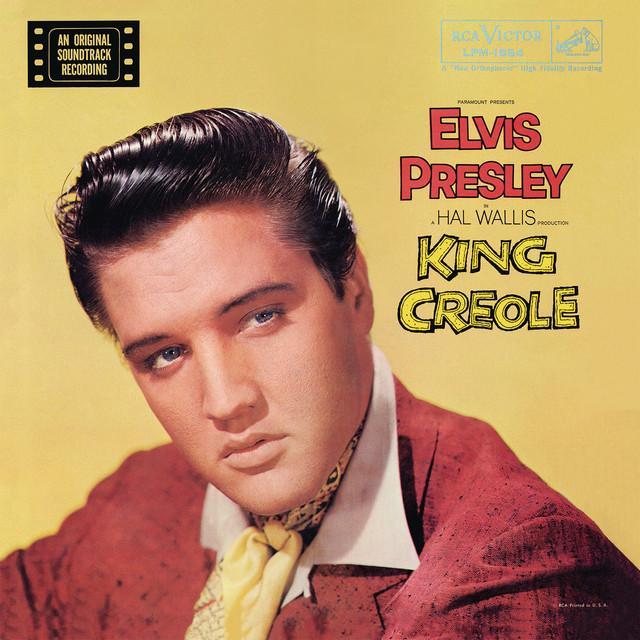
Released on June 10, 1958, and recorded earlier that year for King Creole, the track is a 1:54 burst of rock and roll built on a 12-bar blues frame. It hit No. 1 on the U.S. charts and is widely noted as the first rock-and-roll single to receive an RIAA Gold Record designation, later earning Platinum certification. Those facts help explain why this tiny, funny song left such a big mark. See Wikipedia and the RIAA listing.
A Battle-of-the-Sexes Song With a Wink
At its core, the song presents a familiar comic setup: a man says women are trouble, then keeps singing because he is clearly still drawn to them. The hook sums up the complaint in a blunt phrase, hard headed woman
, and pairs it with soft hearted man
. That pairing matters. The singer is not describing a powerful hero crushed by fate; they are describing someone emotionally open, easy to sway, and half-aware of their own weakness.
Interpretation: The song works less as a serious attack on women and more as a performance of male frustration. The singer blames women, but the lyrics keep exposing how men willingly walk into the drama.
That is why the chorus lands like a grin, not a sermon. Even the repeated line about being a thorn in the side
sounds more teasing than tragic because the song moves too quickly to become bitter.

Watch the official Hard Headed Woman
music video
Why the Biblical Name-Dropping Matters
The verses pull in famous stories about Adam and Eve, Samson and Delilah, and Jezebel. Factually, those references are central to the lyric’s design; they take ordinary romantic trouble and blow it up into a joke about human history itself, as noted in Wikipedia.
Turning old stories into comic evidence
Each example follows the same pattern: a man tries to warn, control, or resist a woman, and things still go wrong. The phrase apple tree
quickly signals temptation and disobedience. curly hair
points to Samson’s weakness. Jezebel adds the idea of danger through seduction and bad influence.
Interpretation: These stories are not there to teach religion. They function like punchlines. By stacking famous cautionary tales, the song makes the singer sound mock-serious, as if they have researched centuries of romantic trouble just to prove a joke.
The Ending Changes the Song
The last verse is easy to miss, but it is the key to the song’s emotional meaning. After all the grand examples, the singer finally admits they have their own stubborn partner, described with head like a rock
. Then comes the twist: if she left, they would be heartbroken.
That confession reframes everything before it. The singer may grumble, but they are also attached. The complaint becomes a backhanded love song, where irritation and devotion sit side by side.
If she ever went away
I'd cry around the clock
This is the one moment where the mask drops. The song stops pretending to be about all men and all history. It becomes one person admitting they cannot live without the very person they call difficult.
How the Sound Sells the Message
Musically, "Hard Headed Woman" is as important as the lyric. It is a rock-and-roll recording with strong blues roots, and that matters because blues and early rock often used humor, swagger, and sexual tension together. The quick pace, clipped structure, and punchy rhythm section keep the song from sounding heavy or moralizing.
Elvis also helps shape the meaning through tone. They deliver the lines with snap and playfulness, not wounded despair. The vocal style suggests performance-first confidence: half complaint, half flirtation. That is a big reason many listeners hear the song as comic rather than cruel.
Claude Demetrius wrote the song, and it became one of his biggest hits. Elvis recorded it at Radio Recorders in Hollywood on January 15, 1958, for the King Creole soundtrack, according to Wikipedia. In that film era, Elvis often balanced toughness with charm, and this track fits that persona perfectly.
A 1958 Hit With Dated Edges
Any honest reading should also say this: some lines feel old-fashioned now. The lyric comes from a mid-century, male-centered comic tradition that treated women as mysterious troublemakers. Modern listeners may hear sexism where 1958 audiences heard a joke.
That tension is part of the song’s afterlife. Songfacts describes the track as tongue-in-cheek, and that is a fair guide. Still, “tongue-in-cheek” does not erase the stereotype; it just explains the style in which the stereotype is presented.
Why the Song Still Sticks
The meaning of Hard Headed Woman Elvis Presley lasts because the song captures a timeless romantic contradiction: people complain about the ones they love, yet love them more fiercely because of the friction. Its biblical jokes, blues drive, and final confession all point to the same idea. Desire is messy, pride is weak, and the singer knows it.
In the end, "Hard Headed Woman" is not really about winning a fight between men and women. It is about the comic fact that attraction often survives annoyance. That is why the song still feels lively: it turns relationship conflict into rhythm, wit, and a smile.
Disclaimer: This interpretation separates documented facts from critical reading. Meanings can vary by listener, context, and time period.







