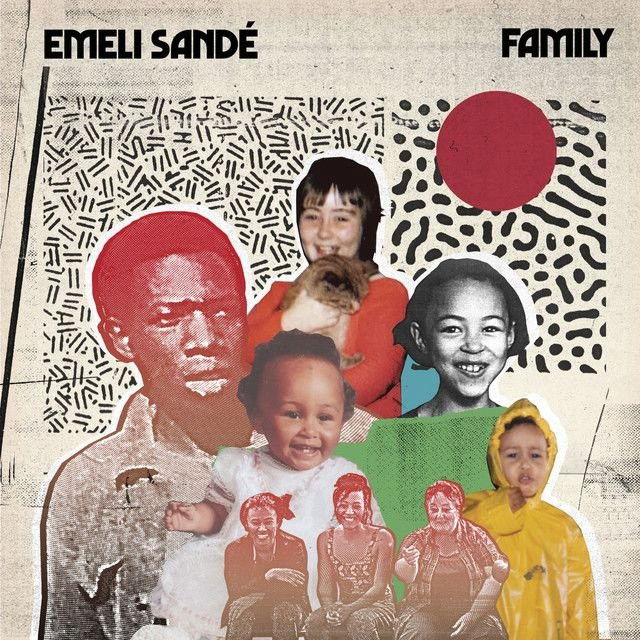
Family by Emeli Sandé
Emeli Sandé’s “Family” is a warm, uplifting song about recovery, gratitude, and the kind of support that helps people stand tall again. For readers searching for the meaning of Family Emeli Sandé, the clearest answer is this: they present family as a source of emotional strength, but also as a wider feeling of connection that pushes a person through hard times.
"Family" - Emeli Sandé
No wall, no matter how tall can block me
Well, the sun is out and the family's good
Loading lyrics...
Unable to load lyrics
We're unable to display the lyrics at this time. Please try again later.
The lyrics never stay stuck in pain for long. Instead, they move from pressure and self-correction toward hope, confidence, and shared survival. That movement matters, because the song is less about a perfect life than about learning how to rise after being overwhelmed.
A Song About Strength That Starts at Home
On the surface, “Family” sounds simple and positive. The singer celebrates a moment when life feels steady again, and they can say the family is good and the sun is out. But underneath that brightness is a story about burnout, reflection, and renewal.
Early lines describe a person who had been moving too fast. When the song mentions needing to slow down and “see the wood for trees,” it points to a common problem: losing perspective while chasing goals. The brief self-check in why you always late?
sounds less like shame and more like a wake-up call from within.
That makes the song’s joy feel earned. “Family” is not blind optimism. It is optimism after stress.

Watch the official Family
music video
How the Verses Build the Meaning
The first verse sets up two sides of the narrator. One side is ambitious, fast, and restless. The other knows they need pause, breath, and perspective. That tension gives the song depth.
When Sandé sings about a need for speed
and a head for dreams
, the lyrics show a person full of drive. But the next thought shifts toward grounding. They had to slow down, meditate, and listen inward. In plain terms, the song says that energy without balance can become unhealthy.
That idea fits Sandé’s wider public story. She broke through quickly, with Our Version of Events becoming the best-selling album in the UK in 2012, and later spoke in interviews about learning to trust instincts, accept themselves more fully, and find freedom beyond pressure and expectation (Wikipedia; The Line of Best Fit).
Interpretation: In “Family,” that hard-won self-knowledge seems to become a song of encouragement. They are not just singing about a happy day. They are singing about what it took to get there.
Why the Chorus Feels So Powerful
The chorus is the song’s emotional engine. Its language is plain and memorable: dark night
, tall wall
, and the repeated promise that these things cannot stop them. Those images stand in for obstacles, fear, and long stretches of doubt.
Because the words are so direct, the message lands quickly. The song does not argue with despair in a complicated way. It simply refuses to give despair the final word.
That refusal becomes even more meaningful when the song shifts from “me” to “we.” Near the end, the chorus changes into a communal voice: can stop we
. Grammatically, it sounds informal and rooted in spoken rhythm, but emotionally it broadens the song. The struggle is no longer one person’s. The victory belongs to a group.
The Central Themes: Resilience, Community, and Perspective
Three themes shape the meaning of Family Emeli Sandé most clearly:
- Resilience: The song says people can rise after setbacks. The line about being knocked down and getting up again turns pain into persistence.
- Family and community: Family is presented as stability, comfort, and shared power. It is both intimate and collective.
- Renewed perspective: Slowing down, breathing, and listening to the spirit are key steps before the uplift arrives.
One of the song’s smartest choices is that it joins personal healing to collective healing. The singer finds strength, then immediately extends it outward: if listeners feel low, they can rise too.
Look at what I’ve found now
This a brand new feeling
Feet lift off the ground
Breaking through the ceiling
This short section captures the emotional peak. The idea is not escape from life, but breakthrough. The imagery of lifting and breaking through suggests growth after limitation.
How Sandé’s Context Deepens the Song
Sandé’s career has often balanced huge public success with private reflection. She studied medicine before pursuing music, and in later interviews has described the importance of honesty, freedom, and returning to what feels real (Wikipedia; The Line of Best Fit).
Family and home also matter in how she talks about identity. In The Line of Best Fit, she said, “Being here really makes me feel myself again.” That brief quote helps explain why “Family” feels so grounded. The song treats connection not as a sentimental extra, but as something that restores a person to themselves.
Her earlier reflections on community also matter. In The FADER, Sandé spoke about seeing “community in action” during a formative Zambia trip, which expanded her sense of responsibility and interdependence. That larger idea of family as support network echoes strongly in this track.
How the Sound Carries the Message
“Family” works because its production sounds like uplift. The beat is brisk, the melody climbs, and Sandé’s vocal delivery grows more open as the song moves forward. Even without dense instrumentation analysis from official credits, the arrangement clearly favors momentum over heaviness.
The repeated refrain acts like a chant. Each return strengthens the message. By the time the song reaches the “brand new feeling” section, the music mirrors emotional release: it sounds airborne.
That pairing of hopeful words and rising sound is crucial. A slower or sadder arrangement would change the meaning. Here, the production insists on forward motion.
Final Reading: What “Family” Leaves Behind
The best way to understand the meaning of Family Emeli Sandé is to hear it as a recovery anthem. It says that healing often begins with pause, honesty, and gratitude. Then it grows into something bigger: a shared belief that people can survive hard nights, climb over walls, and move upward together.
Interpretation: The song’s title may point to literal relatives, chosen family, or a whole community of listeners. That ambiguity is part of its strength.
Disclaimer: This interpretation blends lyrical analysis with publicly available artist context. As with any song, meaning can vary from listener to listener.








