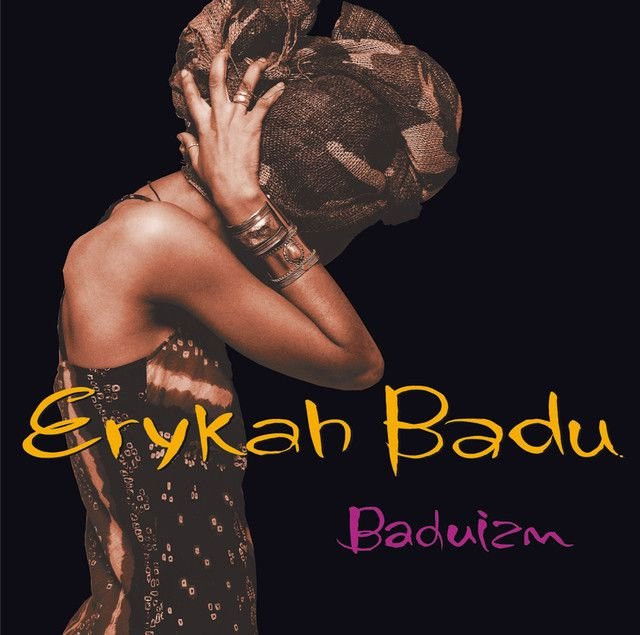
Afro by Erykah Badu
Why This Small Song Says So Much
The meaning of Afro Erykah Badu starts with something that sounds light: a funny complaint about hair, plans, and a boyfriend who cannot get it together. But under that playful setup, the song becomes a sharp portrait of everyday disrespect.
"Afro" - Erykah Badu
One, two
You need to pick your afro daddy
Loading lyrics...
Unable to load lyrics
We're unable to display the lyrics at this time. Please try again later.
Erykah Badu built her career by mixing soul, hip-hop, jazz, and conversational storytelling. She became a key figure in neo-soul after Baduizm and was often praised for making intimate moments feel cultural as well as personal. Her broader career and style are well documented by major reference sources, which describe her as a leading neo-soul artist with deep ties to hip-hop and African-centered imagery. In that sense, “Afro” fits her world even when it sounds like a joke song.
Watch the official Afro
music video
The Core Meaning Hiding in the Punch Line
At the center, the song is about a woman noticing a pattern: the man in front of her is careless, unreliable, and immature. The repeated hair joke is not just about grooming. When the singer tells him to pick your afro daddy
, they are calling out neglect.
That neglect spreads into the rest of the story. He says he will take her out, she gets ready, and then he backs out. She pages him urgently, but he never replies. By the end, the song turns small daily habits into proof of a bigger flaw: he does not follow through.
Interpretation: the flat afro works like a symbol. If he will not fix what is obvious, he also will not fix what matters in the relationship.
A Mini Story of Letdown and Embarrassment
How the verses connect
The song moves in a clean sequence:
- First, she mocks his uneven hair.
- Next, she explains she got dressed and styled herself for a promised outing.
- Then she learns he changed his mind.
- Finally, she chases him through a pager and gets nothing back.
That timeline matters because it turns teasing into evidence. At first, the listener may hear harmless clowning. But by the middle, details like braided my hair
show she made an effort because she trusted him.
The mention of Wu-Tang is especially useful. It places the song inside real hip-hop culture and gives the scene a lived-in feel. She is not speaking in abstract poetry; they are telling a story about plans, style, music, and social embarrassment.
When she says my momma saw you there
, the song gets even sharper. Now the issue is not just disappointment. It is public humiliation. Someone else witnessed the lie.
Hair as Image, Identity, and Attitude
Badu’s work often uses Black style and cultural symbols as more than decoration. Hair in this song is one of those symbols. An afro can signal pride, presence, and self-presentation. Here, though, the image is comic because it is literally lopsided.
That visual joke lets the song talk about imbalance in the relationship. One side is doing the work. The other side is slacking. Even the line about having one side high
turns the body into a picture of uneven effort.
For Badu, hair is never just hair. Across her public image, from headwraps to fashion choices, appearance often connects to identity, heritage, and self-definition. So even a teasing song like this can carry a deeper cultural charge.
The Sound Makes the Joke Land
Groove before sermon
Part of the meaning of Afro Erykah Badu comes from how easy it sounds. The production, credited in the song’s writing to James Poyser, Jafar Barron, and Erica Wright, leans into a loose, jam-like feel rather than heavy drama. That matters because the song criticizes someone without becoming bitter.
The rhythm feels close to spoken conversation. Instead of a big emotional explosion, the vocal delivery rides the groove with dry humor and timing. That style reflects a known Badu strength: she often makes songs feel like they were caught mid-thought, somewhere between singing, talking, and side-eye.
Interpretation: the relaxed music suggests she is already past begging. She is annoyed, amused, and nearly done.
Why the Pager Detail Matters
One of the song’s funniest touches is also one of its clearest. The pager reference dates the song to a specific era of communication. When she says blowing up your pager
and even using 9-1-1 baby
, they are showing urgency in old-school form.
That old tech detail helps the meaning because the silence feels deliberate. He did not miss one text in a crowded inbox. He ignored repeated signals. Her final threat to return the device is funny, but it also says she is tired of carrying the communication on her own.
You need to pick your afro daddy
Because it's flat on one side
Those lines summarize the whole song: a silly complaint that doubles as a serious judgment.
Two Strong Ways to Read “Afro”
Reading one: a comic breakup warning
The most direct reading is simple. This is a humorous takedown of a flaky man. Every verse adds one more reason not to trust him.
Reading two: a social sketch about standards
A second reading is broader. The song may also be about presentation, accountability, and the low standards some women are asked to accept. He is careless with his look, his promises, and his communication. The singer refuses to pretend that is charming.
Both readings work because Badu keeps the tone playful while making the pattern obvious.
Why the Song Still Connects
“Afro” lasts because it captures a universal feeling: the moment when a little annoyance reveals a whole character problem. Most listeners have known someone whose bad habits seemed funny until those habits started hurting people.
That is why the meaning of Afro Erykah Badu feels bigger than the setup. It is not only about hairstyle or a canceled outing. It is about disrespect hiding inside everyday behavior, and about calling it out with wit instead of self-pity.
In the end, the song turns groove into judgment and humor into self-respect. That mix is one reason Badu’s music still feels alive.
Disclaimer: This article offers interpretation based on the lyrics, performance, and known artist context. Song meaning can remain open to different listener readings.







