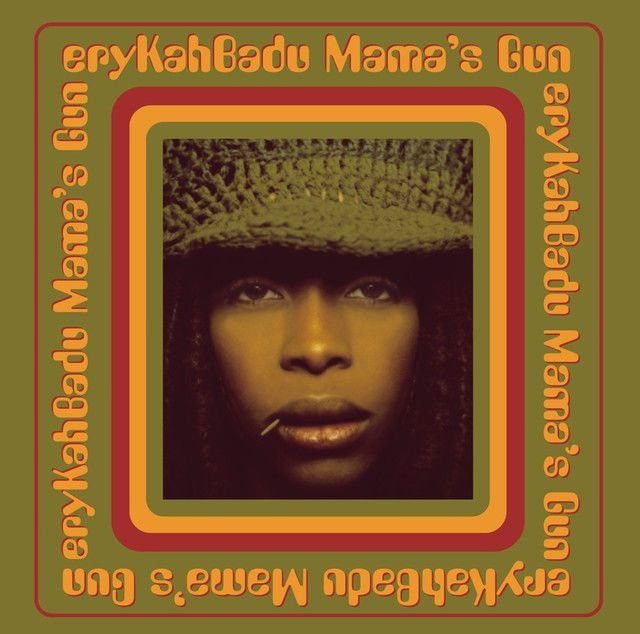
Green Eyes by Erykah Badu
Why This Song Hurts So Much
The meaning of Green Eyes Erykah Badu centers on a feeling many people try to hide: jealousy that grows out of love, pride, and fear. The song is not just about being upset over an ex moving on. It is about someone trying to sound calm while falling apart in real time.
"Green Eyes" - Erykah Badu
'Cause I eat a lot of vegetables
It don't have nothing to do
Loading lyrics...
Unable to load lyrics
We're unable to display the lyrics at this time. Please try again later.
Released on Mama's Gun in 2000, the track sits inside an album often praised for its emotional honesty and live, organic sound. According to AllMusic, the album leaned into warm soul textures and personal writing, which fits this song perfectly. "Green Eyes" was written by Erica Wright, Victor E. Cooke, and James Poyser, and that writing gives the song its striking emotional arc.

Watch the official Green Eyes
music video
The Core Meaning Beneath the Joke
At first, the narrator hides behind humor. They repeat My eyes are green
and blame it on vegetables, not envy. The joke matters because it is clearly defensive. They protest too much, which tells the listener the opposite is true.
That is the key to the song's first section: denial. They want to seem above the situation, almost amused by it. But the repeated mention of the other person's new friend
reveals what they cannot stop thinking about.
Interpretation: Badu turns jealousy into a character study. The narrator is not simply angry at a rival. They are ashamed that rejection has made them feel small, exposed, and needy.
A Mind Fighting a Heart
The emotional center of the song arrives when the narrator admits I'm insecure
. That confession breaks the mask. Until then, they try to sound cool and detached. After that, the song becomes a record of inner conflict.
They describe the split clearly: the mind says move on, while the heart lags behind. This is one of the smartest parts of the writing. The pain is not only about losing love. It is about losing control over their own feelings.
My mind says "move on"
My heart lags behind
That short moment explains almost the whole song. They know the relationship is unhealthy, but knowledge does not end attachment. The narrator keeps correcting themselves, backtracking, and doubting every statement. They say they do not love this person anymore, then undercut that claim almost immediately.
How the Story Unfolds
Act One: Denial and sarcasm
The opening sounds light, but the repeated excuse about green eyes is really a cover story. They pretend jealousy is silly and beneath them.
Act Two: Confession and confusion
Soon the song turns inward. They admit insecurity, say love has changed their thinking, and begin to sound disoriented. The emotional steadiness of the beginning starts to break.
Act Three: Desperation
By the later sections, they are bargaining. The line it's too late
becomes a trap rather than a conclusion. They cannot leave emotionally, even if they know they should.
Act Four: Bitter clarity
Near the end, the song gets more direct. The narrator sees the partner as unreliable and afraid of commitment. They understand the bond is damaged, but they still cannot stop grieving it.
Why the Title and Image Matter
Green eyes usually suggest jealousy, and Badu uses that old color symbol in a clever way. Instead of stating envy directly, they dodge it with a comic explanation. That makes the emotion feel more human. Many people do not admit jealousy plainly; they disguise it as indifference, sarcasm, or logic.
The title also works because eyes suggest perception. In this song, jealousy colors how the narrator sees everything. They are watching the former lover, the rival, and themselves through a painful filter.
How the Music Deepens the Meaning
One reason "Green Eyes" feels so devastating is its shape. The song stretches out and changes mood, almost like a mini-suite. That design lets the listener hear emotional collapse as a process rather than a single outburst.
The early section has a lighter groove, with conversational phrasing and a sly sense of control. As the song continues, the arrangement grows more dramatic. The tempo feel loosens, the vocals become rawer, and the performance starts sounding less polished on purpose. That shift mirrors the narrator losing their emotional grip.
This approach fits Badu's broader style on Mama's Gun, an album noted by Rolling Stone for its deep soul influence and intimate feel. James Poyser's writing connection also matters, since his neo-soul work often supports songs that move like conversations rather than rigid pop structures.
Artist Context Helps Explain the Honesty
Erykah Badu's music often blends spirituality, vulnerability, wit, and emotional messiness. They rarely flatten feelings into one easy message. In "Green Eyes," that means the narrator can be jealous, embarrassed, loving, resentful, and self-aware all at once.
That complexity is why the song has lasted. Listeners do not hear a clean breakup anthem. They hear a person arguing with themselves. In reception over the years, Mama's Gun has become one of Badu's most respected works because of that emotional depth and musicianship, as reflected in sources like Pitchfork's retrospective coverage.
The Best Way to Read the Ending
Interpretation: The ending is not hopeful in a simple way. It is truthful. The narrator recognizes the relationship's damage, yet still says the pain of separation feels unbearable. That contradiction is the whole point.
The song's final insight is that heartbreak is not neat. People can know a love is bad for them and still ache for it. They can see weakness clearly and still return to it. "Green Eyes" captures that humiliating, deeply human gap between understanding and action.
What the Song Ultimately Says
The meaning of Green Eyes Erykah Badu is about more than jealousy. It is about the loss of dignity that can come with rejection, the way denial turns into confession, and the way love can outlast good judgment.
That is why the song stays with listeners. It does not pretend emotional growth happens on schedule. It shows a person caught between self-respect and longing, trying to talk themselves free and failing.
Disclaimer: This article offers an interpretation based on the song's lyrics, performance, and documented album context. Like all art, the song may support more than one valid reading.







