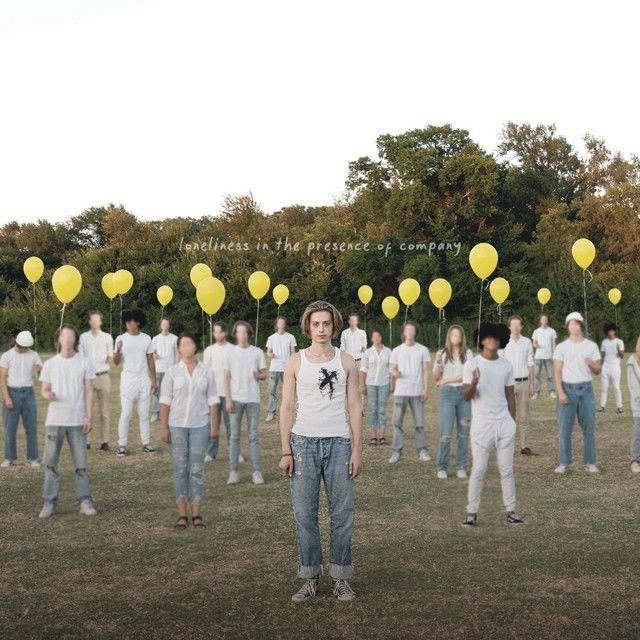
When Ethan Jewell Names Depression's Return
The meaning of it's getting bad again Ethan Jewell becomes clear almost immediately: this is a song about noticing depression return before they can fully stop it. Instead of one dramatic event, the lyrics build that realization through ordinary details. Sitting down more often, struggling to smile, avoiding people, and losing the urge to create all become warning signs.
"it's getting bad again" - Ethan Jewell
When I started to do everything sitting down
And I think I understood it was getting bad again
Loading lyrics...
Unable to load lyrics
We're unable to display the lyrics at this time. Please try again later.
Because the full text was provided here by the user, the song can be discussed closely without guessing at its emotional core. Ethan Jewell is credited as the writer based on that provided context. From there, the song's power comes from how plainly it maps inner pain onto everyday life.
A Slow Realization, Not a Sudden Collapse
The song does not describe a single breakdown. It describes a pattern. The speaker keeps returning to the same conclusion—getting bad again
—as if they are reluctantly logging symptoms one by one.
That structure matters. Each new image adds weight to the same truth: this decline is familiar, cyclical, and deeply personal. The word again
is especially important because it suggests recurrence. This is not new pain. It is pain they recognize from before.
Interpretation: That repeated recognition is what gives the piece its emotional force. They are not only suffering; they are watching themselves suffer in a way they have already learned to fear.
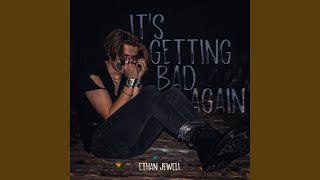
Watch the official it's getting bad again
music video
The Lyrics Turn Mental Pain Into Physical Signs
One reason the song hits hard is that it translates depression into visible, bodily changes. The speaker notices they do everything sitting down. Smiling takes effort. Tears arrive without noise. Their internal rhythm feels broken.
Later, the bed shifts from comfort into something closer to death, captured in the stark phrase being a tomb
. That image does two things at once. It shows exhaustion, but it also shows how a place meant for recovery can start to feel like a trap.
The same is true of the creative imagery. When the speaker says the pen felt too heavy
, the line is not really about the weight of an object. It is about how depression can make even self-expression feel impossible. Writing, which might once have been a release, now becomes another task they cannot reach.
Friendship, Performance, and the Fear of Disappearing
Another key part of the meaning of it's getting bad again Ethan Jewell is social disconnection. The song is not only about private sadness. It is also about what happens when a person can no longer trust their place around others.
The speaker suggests that laughter with friends starts to feel staged, as if they are acting out a version of themselves. That idea peaks when they imply the smile no longer feels real. Joy becomes performance, not feeling.
From there, the loneliness gets sharper. They avoid eye contact, assume they are unwanted, and finally ask why someone can be easily replaced
. That question is painful because it mixes depression with abandonment. The speaker does not just feel bad; they fear their suffering makes them forgettable.
Why that fear matters
Depression often distorts relationships by making care harder to recognize. Interpretation: In this song, the speaker may still be loved, but they cannot reliably feel that love. The result is a spiral where silence creates more silence.
Images of Fog, Crows, and Haunted Nights
The song also uses a few recurring dark images to give the emotional state a landscape. The return of the fog came back
suggests mental blur, confusion, and numbness. Fog blocks distance and direction, which makes it an effective image for relapse.
The crows flying away and darkness attacking create a bleak shift in atmosphere. Whether listeners hear crows as bad omens or simply part of a gray scene, the point is that the world around the speaker now looks emptied out and threatening.
Night adds another layer. Repeating dreams and restless sleep suggest there is no clean break from the pain. Day brings isolation; night brings replay.
"When the fog came back
and the darkness started to attack"
That brief moment sums up the song's style: simple words, heavy feeling, and imagery that sounds almost inevitable.
How the Form Carries the Meaning
Based on the provided text alone, this piece reads like spoken-word poetry or a very stripped-back song. There is no visible chorus in the usual pop sense. Instead, repetition does the work of a hook.
That choice fits the subject. A polished, crowded arrangement might distract from the writing, but a sparse delivery would let the listener sit with each confession. The repeated title line likely lands like a tolling bell, marking each new stage of emotional decline.
Interpretation: If performed with minimal instrumentation, the song's plainness would strengthen its honesty. The lack of decorative language already points in that direction.
Why the Song Feels So Immediate
Many songs about depression stay broad. This one feels specific. It focuses on effort, routine, and the tiny humiliations of losing access to one's normal self. That is why the meaning feels so direct.
It is not asking listeners to admire clever phrasing. It is asking them to witness a person noticing the warning signs: fatigue, withdrawal, numbness, insomnia, self-harm imagery, and the desire to be seen. The final question about getting a permanent smile back leaves the song unresolved, which feels honest rather than hopeless.
The Lasting Meaning
In the end, the meaning of it's getting bad again Ethan Jewell is about relapse, recognition, and the terror of becoming unreachable to both oneself and others. Its strongest idea is simple: mental health decline often announces itself through small changes long before anyone else notices.
That is what makes the song moving. They turn invisible suffering into concrete images that listeners can recognize, even if the experience is hard to name.
Disclaimer: This interpretation is based on the lyrics provided by the user and should be read as analysis, not a definitive statement of Ethan Jewell's intent.








