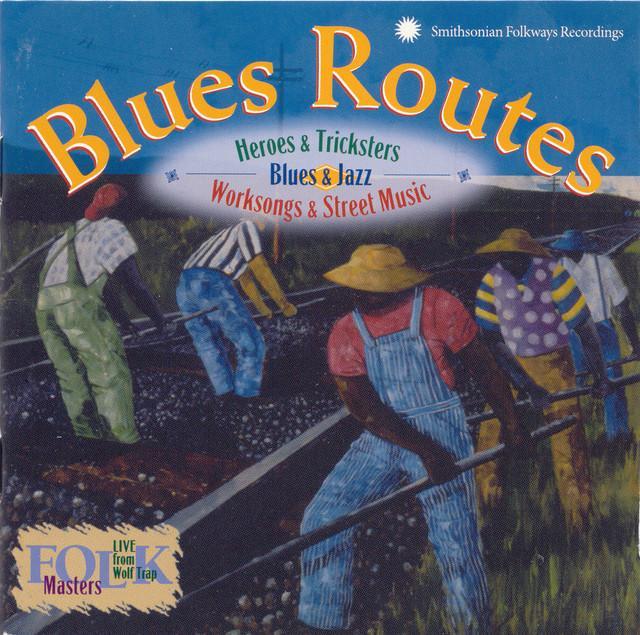
Why 'One Dime Blues' Still Cuts Deep
The meaning of One Dime Blues Etta Baker starts with a simple blues truth: money trouble is never just about money. In this song, Baker turns a small amount—a dime—into a symbol of stress, pride, and survival. The words are plain, but that plainness is the point. They sound like lived experience, not decoration.
"One Dime Blues" - Etta Baker
I'm broke and I ain't got a dime,
I'm broke and ain't got a dime,
Loading lyrics...
Unable to load lyrics
We're unable to display the lyrics at this time. Please try again later.
Etta Baker was known for her Piedmont blues guitar style, a fingerpicked approach rooted in the Carolinas. According to the North Carolina Music Hall of Fame, they became one of the most respected traditional players from that region. That background matters here, because the song feels handmade and direct, with no distance between singer, instrument, and story.
A Blues About More Than Spare Change
At the surface level, the song opens with hard luck. The repeated line about being broke and having no dime frames the singer as someone under pressure. When Baker leans on the phrase ain't got a dime
, they are not only stating a fact. They are showing how poverty can become a rhythm of thought, the kind of idea a person repeats because it shapes every choice.
The next key line broadens the song. After naming personal struggle, the lyric says everybody gets in hard luck
. That shift matters. The speaker is still hurting, but they are also making a larger claim: suffering is common, and hardship moves through many lives.
This is one reason the song feels warm as well as sad. It does not isolate pain. It places pain inside a shared human pattern.
Watch the official One Dime Blues
music video
How the Two Main Ideas Work Together
The song is short, but it joins two different scenes. First comes poverty. Then comes a warning built around outlaw imagery, including Jesse James
and the image of a six shooter
. At first, those ideas may seem disconnected. They are not.
Interpretation: the song suggests that hardship can push people toward dangerous models of power. If a person feels powerless and broke, the fantasy of becoming feared or violent can look tempting. In that reading, Baker is not celebrating criminal behavior. They are exposing the logic behind it.
The lyric asks whether someone wants a friend to be rough like the famous outlaw. Then it gives a bitter answer: hand him a gun and point him toward robbery. The blues joke is dark, but the message is serious. Desperation, myth, and violence can feed each other.
You want your friend to be badlike Jesse James?Just give'm a six shooterand highway some passenger train.
Those lines compress a whole social story into a few images. The song moves from empty pockets to outlaw fantasy, showing how economic pain can twist into destructive identity.
The Repetition Is the Meaning
Blues songs often repeat lines, and Baker uses that form with purpose. The repeated opening is not filler. It recreates the mental loop of worry. Bills, hunger, and bad luck do not arrive once; they circle back.
That structure also gives the song dignity. By repeating the same problem, Baker refuses to soften it. The singer does not rush past being broke. They stay with it until the listener feels its weight.
Why the wording feels so strong
The language is simple, almost conversational. There is no fancy metaphor around poverty. That makes the song feel trustworthy. In blues writing, ordinary words can carry extraordinary force because they sound like speech people actually use.
Etta Baker's Sound Tells the Story Too
The meaning of One Dime Blues Etta Baker also lives in the performance. Baker's playing comes from the Piedmont tradition: alternating bass, nimble treble notes, and a steady pulse that can sound calm even when the subject is painful. The contrast is powerful.
Rather than dramatizing the lyric with huge volume or theatrical phrasing, Baker lets the guitar do quiet emotional work. The steady fingerpicking suggests endurance. Life may be hard, but the hands keep moving.
That is part of what made Baker's work so admired during their later rediscovery; the Smithsonian Folkways catalog notes the lasting importance of their traditional blues recordings. In a song like this, production is not about polish. It is about closeness. The listener hears wood, strings, timing, and breath. That intimacy strengthens the lyric's honesty.
Outlaw Myth Versus Everyday Survival
One striking part of the song is how it treats American legend. Jesse James stands for rebellion, danger, and rough fame. But Baker places that image next to everyday need. This shrinks the outlaw myth down to size.
Interpretation: the song may be mocking the romance of criminal heroes. It hints that becoming "bad" is not glamorous at all. It can begin in need, bad advice, or social pressure. In that sense, the song is less about adventure than about consequences.
It also reflects a classic blues tension: the speaker sees the world clearly, even when the world rewards foolishness. The song knows people admire toughness. It also knows toughness can destroy them.
Why the Song Still Lands Today
Modern listeners may not measure life in dimes, but the core emotion remains current. The fear of not having enough, the temptation to admire reckless power, and the knowledge that hardship touches everyone all still ring true.
That is why the song lasts. It is brief, but it opens onto larger questions:
- How does poverty shape identity?
- Why do people romanticize rebellion?
- What is the line between survival and self-destruction?
Baker does not answer those questions in a lecture. They let a few images do the work.
Final Take on the Song's Heart
At its core, "One Dime Blues" is about hard times and the dangerous stories people tell themselves in response to them. Baker connects personal lack with public myth, showing how a small blues complaint can open into a wider social warning.
The song endures because it is plainspoken, musical, and sharp at the same time. Interpretation: its real power lies in how calmly it says something unsettling: when people are denied security, the fantasy of becoming feared can start to look like strength.
Disclaimer: This interpretation is based on the song's lyrics, performance, and blues context. As with many traditional-style blues songs, listeners may hear different meanings in the same lines.








