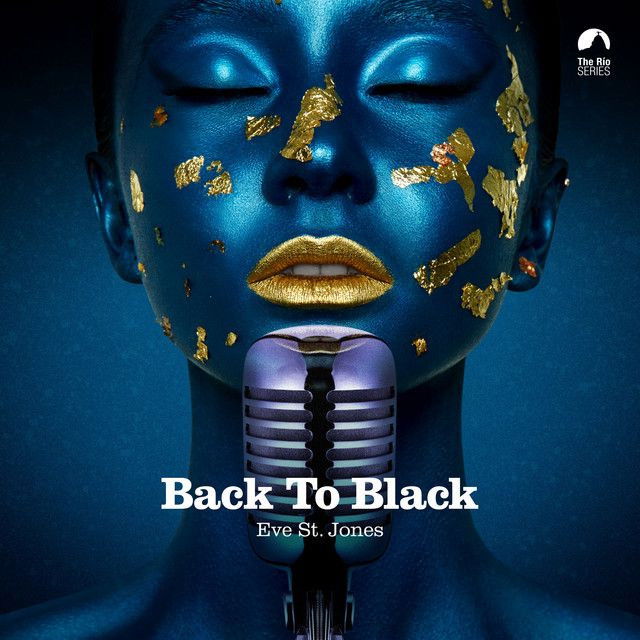
Back to Black by Eve St. Jones
The meaning of Back to Black Eve St. Jones starts with the song’s original emotional core: heartbreak that feels less like a clean ending and more like a fall into darkness. Even when Eve St. Jones performs it with a smoother, more lounge-like touch, the lyric still tells a painful story about being left behind while someone returns to an old relationship pattern.
"Back to Black" - Eve St. Jones
Kept his dick wet
With his same old safe bet
Loading lyrics...
Unable to load lyrics
We're unable to display the lyrics at this time. Please try again later.
A breakup song that refuses to stay simple
At its center, this is a song about romantic loss, pride, and relapse into sadness. The speaker tries to hold themself together after being abandoned, but the pain keeps pulling them backward. That tension appears right away in the contrast between dignity and damage: they keep their posture strong, yet the inner life is collapsing.
A few sharp phrases carry that feeling. The opening is blunt and bitter, and lines like head high
and tears dry
show someone trying to look composed. But that strength is not the whole story. The repeated image of going back to black
suggests returning to grief, emptiness, or depression after a brief hope that love might save them.

Watch the official Back to Black
music video
Where the story comes from
Factually, the song was written by Amy Winehouse and Mark Ronson for Winehouse’s 2006 album Back to Black, released by Island Records. The album drew heavily from Winehouse’s breakup with Blake Fielder-Civil and the turmoil around that relationship, according to reporting collected in major reference coverage and interviews with the creative team. It was co-produced by Ronson and Salaam Remi, while the title track is closely associated with Ronson’s production style and the Dap-Kings-backed sessions that shaped the album’s retro soul sound.
That context matters because it explains why the song feels so personal. Ronson later described building the musical sketch from a simple piano idea with kick drum, tambourine, and lots of reverb, aiming for a classic 1960s soul mood. Critics and historians have often linked the album’s sound to girl-group pop, Motown, and a Wall-of-Sound-style atmosphere. The result is music that feels old-school and dramatic, while the words stay modern and brutally direct.
The emotional timeline inside the lyrics
First, betrayal becomes clarity
The narrator begins with anger and cold observation. They know the other person has returned to what felt familiar and safe. That gives the song its first twist: this is not only about missing someone. It is also about recognizing that the relationship may have been doomed by repetition.
Then, strength turns into collapse
The lyric makes a strong public face sound possible, but only briefly. The speaker seems to function on the surface, yet inside they are overwhelmed. The line I died a hundred times
is not literal; it is a vivid way of saying the breakup keeps hurting again and again.
Finally, loss becomes identity
The hook does more than describe sadness. It turns sadness into a place the speaker lives in. Going back to black sounds like returning to a mental state that has become familiar, almost like a room they never fully left.
What “black” most likely means
Interpretation: In this song, “black” most plausibly means emotional darkness: mourning, numbness, depression, and isolation. It is the opposite of connection, color, and warmth.
Some listeners connect the word to addiction because the Back to Black era often gets discussed alongside Winehouse’s public struggles. But song-specific background usually points first to heartbreak. The cleaner reading is that the abandoned speaker falls back into despair when the relationship ends.
That is why the central contrast matters so much: the other person goes back to her
, while the narrator goes back to darkness. One person returns to a human attachment; the other returns to pain.
How the sound deepens the meaning
One reason the song lasts is that its production says as much as the lyrics do. The arrangement is slow, spacious, and heavy without being loud. The drums feel funereal. The reverb creates distance, as if the singer is already singing from inside a memory.
This matters for the meaning of Back to Black Eve St. Jones too, because covers often shift emphasis. Eve St. Jones is known for stylish jazz-pop reinterpretations, and that can make the song sound softer on first listen. But the softness can also underline the lyric’s exhaustion. Instead of explosive heartbreak, the cover can suggest the drained calm that comes after too much crying.
Why the chorus hits so hard
The chorus works because it strips the breakup down to one brutal imbalance. The lovers only said goodbye in words, yet the emotional damage is much bigger than language. That idea can be summed up in one short, devastating motion:
We only said goodbye with words
I died a hundred times
The gap between those two statements is the whole song. Outwardly, the split seems ordinary. Inwardly, it feels catastrophic.
A few alternate readings
Interpretation: Some listeners hear the song as partly self-accusation, not just blame. References to habits and destructive love suggest both people are trapped in cycles bigger than one breakup.
Interpretation: Others hear it as a song about emotional dependency. In that view, “back to us” hints that the narrator is not just mourning the other person; they are trapped in an idealized memory of the relationship itself.
Both readings fit because the lyric is plainspoken but not neat. It allows anger, longing, pride, and self-destruction to sit in the same room.
Why it still resonates
The song remains powerful because it tells the truth many breakup songs avoid: sometimes heartbreak does not lead to growth right away. Sometimes it leads backward. The speaker does not learn a lesson by the final line. They simply fall deeper into absence.
That honesty is why the original became so celebrated, and why later versions still connect. Whether heard through Winehouse’s raw phrasing or a more polished cover, the song captures the moment when love ends and the world loses color.
Disclaimer: This article offers an interpretation of the song based on lyrics, recording context, and public sources. Meaning can vary from listener to listener.









