Sloth by Fairport Convention: Meaning and Mood
The meaning of Sloth Fairport Convention is less about laziness than emotional paralysis at the edge of conflict. The song uses blunt, repeated images—drums, war, running away, the sea—to create a world where something terrible has already started, and no one can fully step outside it.
"Sloth" - Fairport Convention
Just a roll on your drum
Just a roll, just a roll
Loading lyrics...
Unable to load lyrics
We're unable to display the lyrics at this time. Please try again later.
Fairport Convention are often linked with British folk rock, but Sloth
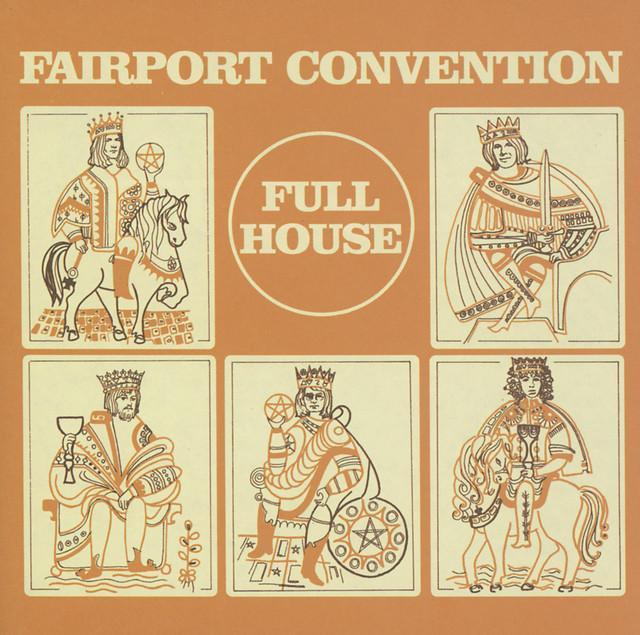
stands out for its slow, heavy pull and haunted mood. Written by Dave Swarbrick and Richard Thompson, the track appeared on the 1970 album Full House, a key record in the band’s early-1970s evolution.
A Slow Song About Fast Collapse
At the center of the song is a feeling of irreversible change. The opening turns a tiny sound—just a roll
on a drum—into the trigger for disaster. The point is not military detail. It is the speed with which tension becomes open conflict.
That is why the line about the war has begun
feels so chilling. The speaker does not sound surprised. They sound resigned, as if the crisis was waiting to happen and only needed a signal.
Interpretation: The “war” can be heard in two ways:
- a literal conflict, with drums as a call to battle
- a personal break, where a relationship or community splits into opposing sides
The song works because it never forces one answer.
Watch the official Sloth
music video
When Right and Wrong Trade Places
One of the sharpest ideas in the lyric is moral confusion. When the song says the right thing becomes the wrong thing, it suggests a world where normal rules no longer help. In conflict, certainty collapses.
This adds depth to the meaning of Sloth Fairport Convention. The song is not simply anti-war in a broad slogan sense. It is about how conflict scrambles judgment, making people act out of pressure, loyalty, fear, or momentum.
The phrase one step at a time
matters here too. It implies that disaster is not always one dramatic choice. Sometimes it is built through small actions that become impossible to undo.
The Human Break at the Song’s Core
Midway through, the song shifts from public crisis to personal loss. The repeated idea that she's run away
introduces a specific wound. Suddenly, the conflict has a face.
This section keeps the song ambiguous in a smart way. Did a lover leave? Did someone flee the coming violence? Did a friend abandon a cause? The lyrics leave room for all three.
Then comes the most revealing emotional turn: call to your colours
. In plain terms, that means choose your side, defend your banner, answer the call of loyalty. But the speaker refuses that invitation, ending with a cold boundary: do not call on them.
Interpretation: This may be the song’s real center. The speaker sees the pull of tribe, nation, romance, or ideology and rejects being recruited by it. That refusal gives the song its worn-out dignity.
Sea Imagery and Sorrow
The final verse deepens the sadness rather than resolving it. The warning don't you cry
sounds gentle at first, but it also feels restrained, almost numb. This is not comfort in a warm sense. It is survival language.
The mention of the sea opens the song outward. In folk music, the sea often suggests distance, exile, death, or emotional vastness. Here it makes grief feel larger than one broken bond.
Don't you cry, don't you cry
For your lady and me
Those lines imply a triangle of loss without explaining it. Someone is gone, someone is grieving, and the speaker is somehow caught inside that damage. The mystery is part of the power.
Why the Music Feels So Heavy
The arrangement is crucial to the song’s meaning. Unlike a brisk protest song or a tidy folk ballad, Sloth
moves with a dragging, almost swampy pace. That slowness makes every image feel heavier.
Fairport Convention built their reputation by blending traditional forms with electric rock textures, and this track leans hard into that electric side. The groove suggests exhaustion, while the instrumental space creates dread rather than release.
Interpretation: The music mirrors emotional stuckness. Even when the lyrics mention action—running, calling, beginning—the band sounds trapped inside the event. That tension between motion and paralysis may explain the title Sloth
.
Artist Context Helps Explain the Tension
By the time Full House arrived, Fairport Convention had already gone through major change, including lineup shifts and a move deeper into British folk-rock after the landmark album Liege & Lief. Richard Thompson and Dave Swarbrick were central creative forces in that period, and their writing often balanced old-world imagery with modern unease.
That context matters. Sloth
does not sound like a neat historical reenactment. It sounds like a band using traditional symbols to express present-day fracture.
For listeners in the United States, one useful way to hear it is as a song about what happens when public conflict invades private life. Its language is old-sounding, but its emotional logic is modern.
The Lasting Meaning of "Sloth"
So, what is the meaning of Sloth Fairport Convention? Most likely, it is a meditation on conflict as both social and intimate. It shows how a single signal can start a chain reaction, how loyalty can become coercion, and how grief lingers after sides are drawn.
The song endures because it explains very little and suggests a lot. They leave listeners with dread, distance, and emotional fallout rather than answers.
That makes this a strong interpretation, not a final verdict. Like many great Fairport Convention songs, Sloth
stays open enough for each listener to hear their own war inside it.








