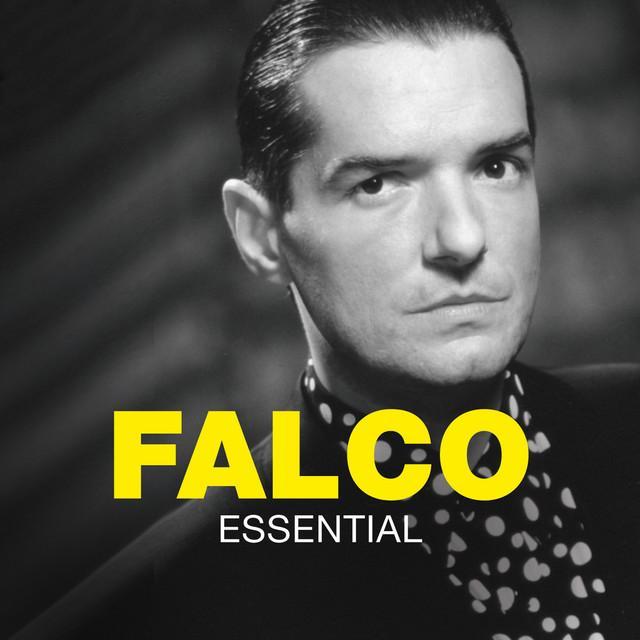
Why Falco's 'Titanic' Dances Toward Disaster
The meaning of Titanic Falco becomes clear once they stop hearing it as a simple song about a famous shipwreck. Falco uses the Titanic as a social symbol: a giant, glamorous machine heading toward collapse while the people onboard keep smiling, dressing well, and pretending class can protect them.
"Titanic" - Falco
Ey
Oh
Loading lyrics...
Unable to load lyrics
We're unable to display the lyrics at this time. Please try again later.
That mix of luxury and doom is the song's real hook. It is catchy, theatrical, and witty, but underneath the polish sits a sharp warning about denial, vanity, and a culture that mistakes style for safety.
A Sinking Ship as a Social Mirror
At its core, the song presents disaster and decadence at the same time. Early lines describe a world where, when everything looks unstable, the response is not honesty or reform. Instead, the answer is luxury, performance, and display. The imagery of champagne, caviar, and formalwear turns crisis into a party.
That is why the Titanic works so well as Falco's central image. Historically, the ship has long represented modern pride and overconfidence, and Falco turns that symbol into a satire of high society. Rather than fighting the end, the characters seem to choreograph it.
Interpretation: The song suggests that some people would rather look elegant during collapse than admit they are in danger. That idea gives the track its dark humor.
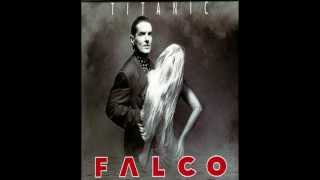
Watch the official Titanic
music video
How the Chorus Sharpens the Message
The chorus repeats the basic contradiction in blunt terms: the ship is going down, yet it is still doing so with style. Phrases like sinkt in Panik
and aber fesch
place fear and elegance side by side.
That contrast matters. Falco is not praising this attitude. They are exposing how absurd it is to care about image when survival is at stake. Another key phrase, Millionen Cash
, keeps money in the frame, reminding listeners that wealth does not stop catastrophe.
Decadence for you and me
Let's deca-dance in jedem Fall
Those short lines capture the song's wordplay and worldview. The dance becomes both literal and symbolic: people keep moving to the music while heading toward ruin.
The Narrator's Voice: Cool, Ironic, and Involved
The speaker does not sound shocked. They sound stylish, amused, and half-complicit. That tone is important to the meaning of Titanic Falco because it prevents the song from feeling like a lecture.
Instead, the narrator moves inside the scene they are criticizing. When the song says besser neureich
, it sounds less like a moral principle and more like a bitter joke about status. The speaker knows the values are hollow, but they also know how tempting they are.
Interpretation: This half-inside, half-outside stance is classic Falco. They often built songs around cool surfaces, then let irony crack those surfaces open.
Symbols That Carry the Song
Several images do the heavy lifting:
- Titanic: not just a ship, but a civilization too proud to admit its weakness.
- Champagne and caviar: pleasure used as a shield against reality.
- Smokingträger: formal dress as costume, class marker, and denial.
- Waltz steps: grace under pressure, but also a rehearsed social ritual.
- Panic: the truth breaking through the performance.
The waltz image is especially clever. A waltz is elegant, controlled, and public. In the song, that elegance becomes a rehearsal for collapse. If someone knows the dance, the song jokes, they are also ready for the exit. It is funny on the surface, but grim underneath.
Why the Sound Matters So Much
Falco's delivery helps sell the satire. The song sits in pop, but it leans into danceable rhythm and polished presentation rather than raw grief. That is exactly the point. The music sounds like an event people would want to attend.
This creates productive tension: the arrangement invites movement while the lyrics describe a doomed social scene. Falco often used this contrast in their work, pairing sleek production with detached, talk-sung cool. In "Titanic," that method makes the critique stronger because the audience feels the same seduction the song is mocking.
The credited writers are Johann Hölzel, Robert Bolland, and Ferdinand Bolland, as provided in the song information. Their construction of a bright, controlled pop setting around images of panic supports the song's central irony.
More Than One Way to Read It
There is a straightforward reading: the song mocks rich people who cling to luxury while the world falls apart.
There is also a broader one. Interpretation: the Titanic may stand for any society in decline, especially one that confuses consumption with meaning. In that reading, the song is not only about the wealthy. It is about a culture trained to keep smiling, buying, and dancing even when the warning signs are obvious.
A third reading is more personal. Interpretation: the song may describe emotional self-destruction dressed up as confidence. The expensive details and social posturing then become masks for fear.
Why the Song Still Connects
What keeps this track interesting is not just the historical symbol. It is the recognizable behavior inside it. People still use fashion, money, humor, and social performance to avoid hard truths. Falco turns that habit into pop theater.
So the meaning of Titanic Falco is less about one ship than about a whole attitude: if the end is coming, some people will still try to make it look glamorous. Falco presents that impulse as funny, sad, and deeply human all at once.
Final Take on Falco's Warning
"Titanic" works because it sounds light on first listen and severe on closer inspection. It stages collapse as spectacle, then asks why spectacle is often more comforting than truth.
That is why the song endures as more than a novelty. It is a stylish satire about panic in formalwear, wealth without wisdom, and a culture dancing neatly toward danger.
Disclaimer: This interpretation is based on the lyrics provided and commonly understood themes in Falco's work. Song meaning can remain open, and different listeners may hear it differently.







