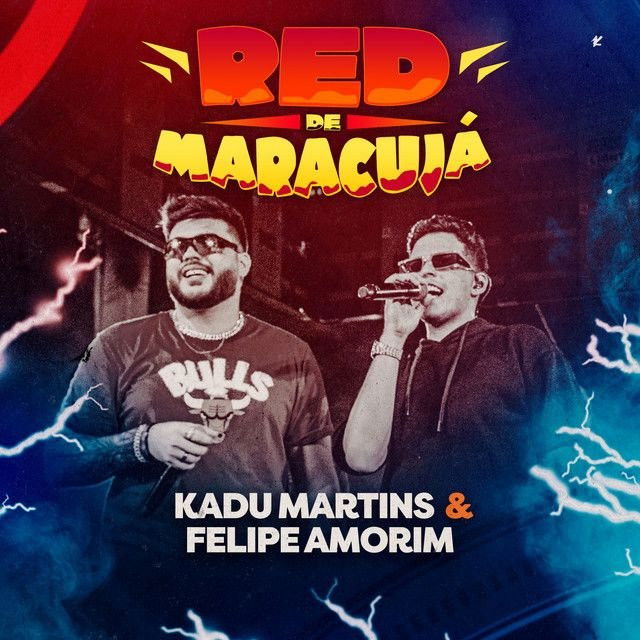
What “Red de Maracujá” Is Really Selling
The meaning of Red de Maracujá Felipe Amorim, Kadu Martins is not hidden in poetic mystery. It is a direct, high-volume party song built around three things: alcohol, dancing, and sexual bravado. Rather than tell a deep story, the track tries to create a mood fast. From the opening shouts to the repeated dance commands, everything points toward a club or street-sound-system setting where energy matters more than character development.
"Red de Maracujá" - Felipe Amorim, Kadu Martins
Segura, LukaDejay
Caio DJ
Loading lyrics...
Unable to load lyrics
We're unable to display the lyrics at this time. Please try again later.
That makes the song easy to read, but still worth unpacking. Its meaning lives in how it turns nightlife into a performance of desire.
A Party Track First, a Narrative Second
At the most basic level, the song presents a woman arriving ready to dance and be watched. The singer frames the scene with explicit anticipation, then pushes the action forward with commands and crowd-hyping repetition. The line about Red de maracujá
with gin acts like a quick prop: a sweet drink mixed with liquor to help everyone loosen up.
From there, the lyrics narrow their focus. The woman is not developed as a person with feelings or motives. Instead, she is described through movement, body parts, and what she does on the dance floor. That is why the song feels less like a conversation and more like an MC directing a party.
Interpretation: The song is about spectacle. It treats the club as a place where attraction becomes public performance.

Watch the official Red de Maracujá
music video
How the Hook Builds the Meaning
The repeated commands are the key. Phrases like mostra a habilidade
and rebola neném
reduce the message to display and rhythm. The point is not subtle romance. The point is to keep attention on motion.
That repetition matters because it turns the woman’s dance into the whole event. The chorus does not move the story forward. It freezes the song in one erotic image and loops it until it becomes hypnotic. That is common in club music: repetition is not laziness, it is the engine.
There is also a rough, shouted quality in the lyric delivery. Even on the page, words like vai
and the ad-libbed exclamations feel like cues meant to trigger a crowd reaction. The song wants participation more than reflection.
The Song’s Main Themes
Desire as Public Performance
The central theme is not private intimacy. It is public sexuality. The woman is presented as someone dancing in front of others, while the singer and implied crowd react to that display. The lyric fica à vontade
suggests freedom, but the rest of the song defines that freedom very narrowly: she is “at ease” mainly to perform sensual movement.
Alcohol as Social Permission
The drink reference is short, but important. Passion fruit and gin create a nightlife image that feels tropical, sweet, and intoxicating. In the song, the beverage is tied to relaxing before dancing. It works almost like a ritual of entry into the party.
Interpretation: The drink symbolizes lowered inhibition. It helps connect pleasure, rhythm, and sexual confidence.
Repetition Over Depth
There is little emotional complexity here. The lyrics use loops, chants, and commands instead of scenes or inner thoughts. That simplicity is not accidental. It fits music made for fast impact in clubs, cars, and large speaker setups.
Why the Production Matters So Much
The opening tags and shout-outs immediately place the song inside a Brazilian party ecosystem shaped by DJs, producer tags, and crowd calls. The mention of exploding on the paredões
points to the culture of powerful sound systems often associated with street parties and bass-heavy playback.
Production-wise, the track is built to hit physically. Even without unpacking every sonic layer, listeners can hear a beat-first design: heavy low end, a repetitive groove, and vocal phrasing that lands like chants. That gives the lyrics their real force. On paper, the words are blunt. Over a hard rhythm, they become functional.
This is where artist context helps. Felipe Amorim has been associated with Brazilian pop and party-oriented releases, while Kadu Martins also works in that high-energy lane. The credited writers provided by the user—Felipe Amorim, Caio Djay, and Kaleb Junior—fit the song’s producer-driven structure, where hook efficiency matters as much as lyrical detail.
A Gendered Power Dynamic
One reason the song may divide listeners is its viewpoint. The woman is mostly observed, directed, and praised for physical performance. That creates a strong imbalance. She is central to the scene, but she is not given much voice inside it.
Interpretation: Some listeners may hear this as normal dance-floor exaggeration in a raunchy party track. Others may hear objectification, since the lyrics repeatedly reduce her to body movement and sexual availability.
Both readings can exist at once. In club music, provocation is often part of the style. But that does not erase the fact that the language is explicit and body-focused.
So What Is the Meaning of “Red de Maracujá”?
The meaning of Red de Maracujá Felipe Amorim, Kadu Martins is a celebration of hedonistic nightlife. It turns a drink, a beat, and a dancer into one simple fantasy: relax, move, and let the party become the whole world for a few minutes.
That is why the song is so repetitive and so direct. It is not trying to reveal emotional depth. It is trying to create instant physical response.
Final Take
As a song, “Red de Maracujá” works by reducing everything to rhythm, desire, and spectacle. Its lyrics are simple, explicit, and designed for crowd energy, while its imagery of alcohol and dance frames pleasure as performance.
This interpretation is based on the lyrics provided and publicly known artist context. Like all song-meaning analysis, it remains an informed reading rather than a confirmed statement of intent.








