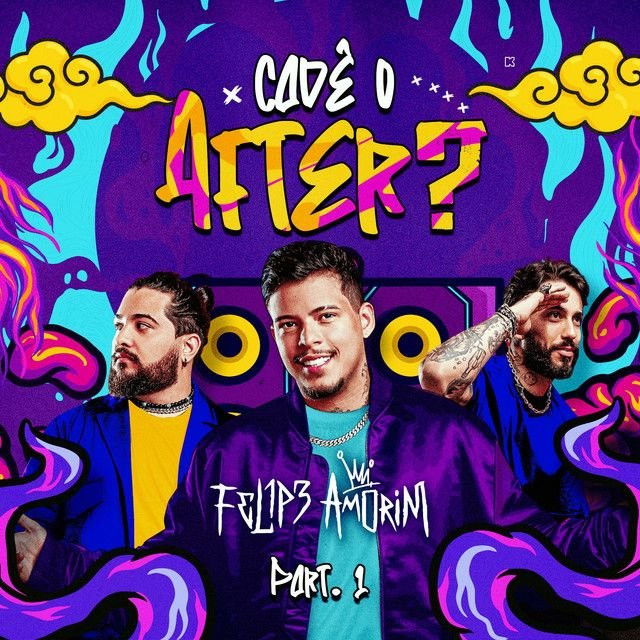
Toca o Trompete by Felipe Amorim: Party, Power, and Permission
A blazing trumpet riff, a body-moving beat, and a chorus made for the club—this track isn’t shy. The meaning of Toca o Trompete Felipe Amorim lives where freedom, flirtation, and showmanship collide on a crowded dance floor.
"Toca o Trompete" - Felipe Amorim
'Tá pura maldade
Pai dela nem sonha
Loading lyrics...
Unable to load lyrics
We're unable to display the lyrics at this time. Please try again later.
What the Night Really Says
At its core, the song is about choosing fun without apology. The verses sketch a late-night scene where a young woman breaks routine and claims the party as her space. Phrases like perdida no baile
paint her as lost in the vibe—in a good way, immersed in the music.
Interpretation: the narrator celebrates a form of agency that looks reckless from the outside but feels empowering within the club. The parents don’t get it; the DJ does; the crowd goes with it. The trumpet becomes a signal to drop judgment and follow the rhythm.

Watch the official Toca o Trompete
music video
Who’s Talking, and Who’s Being Watched?
The voice shifts between hype man and observer. They point to a woman who is drawing attention and setting terms. When the lyric says ela pede
, the frame moves toward consent and control—she asks, he follows. That matters in a song full of commands and chants; it centers her choices.
Still, the gaze is not neutral. The language is blunt and sexual, which can slide into objectifying territory. Interpretation: the song lives in that tension—praise for confidence and danger of the male gaze—common in Brazilian funk and many global club genres.
From Entrance to After-Dawn: A Quick Timeline
- Arrival: She’s out with friends, phones off, plans loose—
perdida no baile
sets the mood. - Rebellion: Family is kept in the dark—
pai dela nem sonha
hints at a double life. - Negotiation: She signals what she wants—
ela pede
becomes the baton pass. - Peak: The hook returns, and the trumpet calls the drop.
- After-hours: The party runs into morning; the decision is to keep dancing.
Each beat echoes common club rituals: hiding the night from authority, seeking the rush, and responding to the crowd and DJ.
Why the Hook Hits Hard
The chorus pivots on toca o trompete
, a simple command with big effect. It’s a cue to the producer and a wink to the audience: the horn means the drop. Interpretation: the trumpet stands for permission—when it blares, the beat and bodies move again.
Another repeated phrase, novinha quer sentar
, is provocative. In context, it’s club braggadocio aimed at shock and call-and-response. The line’s catchiness is the point: short, percussive words that ride the kick drum.
Symbols in Motion: Trumpet, Orders, and Parents
- Trumpet: Brass equals urgency. It cuts through the mix and tells dancers where the groove lands. It’s the track’s signature signpost.
- Commands: The chants act like dance instructions, escalating energy while keeping the crowd in sync.
- Parents:
pai dela nem sonha
isn’t just a plot detail; it’s the old rule vs. new rule. The dance floor is the place where she writes the new one.
Interpretation: these symbols map a small rebellion—the club as a zone where desire outruns tradition.
Beats, Brass, and the Brazilian Mix
Felipe Amorim often blends regional styles with pop instincts. Here, the production leans on Brazilian funk drive—heavy kicks, handclaps, and crowd shouts—while folding in piseiro/forró-pop elements and, of course, that trumpet riff. The DJ tag and hype calls create a street-party feel, like a live set where the MC talks over the groove.
The arrangement leaves space for the hook: drums and bass punch, synths stay minimal, and the horn stabs slice through. Vocals are rhythmic and percussive, less about melody and more about cadence. That design matches the lyric’s function—clear signals, quick phrases, easy to echo.
Other Ways to Hear It
- Empowerment lens: She chooses her night and narrates her pleasure. The repeated
ela pede
places agency with her. - Critique lens: The language can objectify, and the hype voice still frames her for a crowd. The song trades in shock to fuel virality.
Both readings can be true at once. That ambiguity is part of the track’s pull and why it travels beyond language—listeners feel the drop even if they don’t parse every word.
Takeaway
The meaning of Toca o Trompete Felipe Amorim sits in the push and pull between spotlight and self-control. The trumpet is the green light; the dance floor is the stage; the choice is hers, even as the crowd narrates. As with any art, interpretation is subjective and may vary by listener and context.








