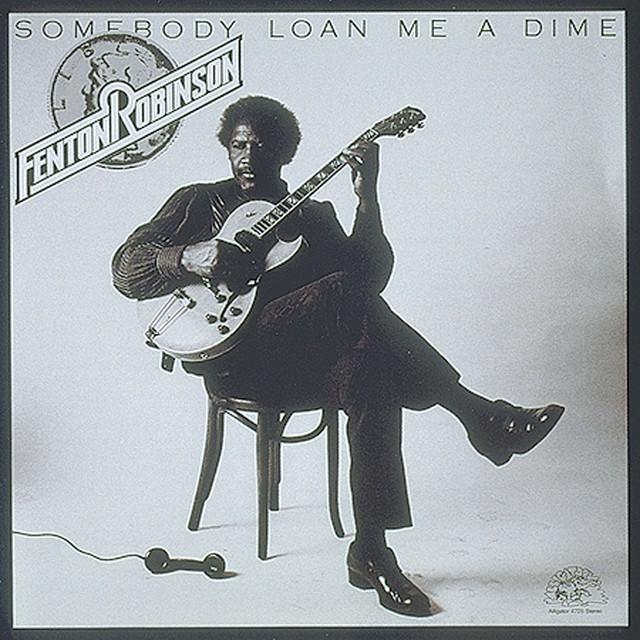
How Fenton Robinson Defines Real Love
The meaning of You Don't Know What Love Is Fenton Robinson comes down to one hard idea: love is not fully understood until it hurts. In this blues song, they frame love as something learned through loss, regret, and emotional cost. It is not a sweet fantasy. It is a lesson written in pain.
"You Don't Know What Love Is" - Fenton Robinson
'Til you've learned the meaning of the blues
Until you've loved a love you've had to lose,
Loading lyrics...
Unable to load lyrics
We're unable to display the lyrics at this time. Please try again later.
Fenton Robinson was a respected blues guitarist and singer tied to the Chicago blues tradition, and that background matters here. His work is often noted for its smooth guitar style and emotional control, qualities discussed in his AllMusic profile. In this song, that blues setting turns the lyric into more than a sad statement. It becomes a kind of wisdom talk.
The Song Turns Heartbreak Into Education
At the center of the song is a repeated claim: you don't know what love is
. The line is not just criticism aimed at another person. It sounds more like a warning, or even a life lesson, from someone who has already been through romantic damage.
The lyric argues that real love cannot be measured by attraction alone. Instead, a person understands it only after losing someone they truly wanted to keep. When the song mentions the meaning of the blues
, it ties romance to a classic blues truth: pain reveals what pleasure hides.
Interpretation: They are not saying love and suffering are identical. They are saying suffering exposes love's depth. Without risk, heartbreak, or longing, the feeling remains untested.

Watch the official You Don't Know What Love Is
music video
A Voice That Speaks Like Experience
One striking part of the song is its point of view. The lyric uses second person, addressing you
, but the voice clearly comes from someone who has lived this story. They sound less like a jealous ex and more like a weary observer who has earned their insight.
That gives the song a quiet authority. Each example builds the case. A person has not understood love until they have loved and then lost. They have not understood desire until even a kiss carries consequences. The phrase pay the cost
matters because it turns romance into an emotional bargain where joy and pain arrive together.
The Emotional Timeline in the Lyric
The song moves through a clear sequence:
- Love begins with desire and closeness.
- That closeness creates vulnerability.
- Loss changes memory into pain.
- Sleeplessness and longing become the proof of love.
This simple structure is one reason the song feels timeless. It does not need a detailed plot. It describes a pattern many listeners recognize.
Why the Imagery Feels So Sharp
The writing uses plain images, but each one carries weight. Lips, tears, dawn, and a lost heart are all familiar blues symbols. Here, they work together to show how love moves from pleasure to ache.
When the lyric speaks of a lost heart
, it suggests more than breakup sadness. It points to fear. Memory itself becomes dangerous. Looking back can reopen the wound, which is why the song treats reminiscing almost like a threat rather than a comfort.
The image of sleepless eyes
is just as important. Dawn usually signals renewal, but here morning brings no relief. The person survives the night only to meet the day still burdened by grief. That detail deepens the song's emotional world. This is not a passing mood. It is heartbreak that changes the body's rhythm.
How lips that taste of tears
lose their taste for kissing
Those lines capture the song's most painful idea: sorrow can drain joy from the very things that once gave pleasure. The image is simple, but it lands hard.
How the Blues Sound Strengthens the Meaning
The meaning of You Don't Know What Love Is Fenton Robinson also lives in its musical language. Blues songs often turn repetition into emphasis, and this one uses that method well. The title line returns like a verdict. Each time it comes back, it feels less like an opinion and more like a truth carved out by experience.
Robinson's reputation as a refined guitarist helps explain why this kind of song fits him. According to the Blues Hall of Fame, he became known for his elegant playing and lasting influence. That style matters because a song about emotional maturity works best when the performance avoids melodrama.
Interpretation: Rather than explode with anger, the song likely gains power from restraint. In blues, calm delivery can hurt more than shouting. A measured vocal suggests the speaker is beyond the first shock of heartbreak. What remains is knowledge.
More Than Sadness, It Is a Test of Love
A smaller but important point in the lyric is that love here is shown as endurance. The pain does not cancel the love; it proves how serious it was. That is why the song feels heavier than a simple breakup number. It asks listeners to accept that love is known through what survives after loss.
There is also a subtle challenge in that message. People who think love is only romance, charm, or physical closeness have not reached its hardest layer. The song insists that longing, fear, and memory belong to the definition too.
Why the Song Still Connects
Part of the song's staying power comes from its honesty. Many love songs celebrate the high point of romance. This one studies the aftermath. It speaks to listeners who learned too late that deep love leaves marks.
That is why the song still feels relatable in the American blues tradition. Its language is simple, but its insight is adult: love is easiest to name when it is present, yet easiest to understand when it is gone.
Disclaimer: This interpretation is based on the lyrics provided, blues conventions, and available artist context. As with many blues songs, listeners may hear slightly different shades of meaning in the performance.







