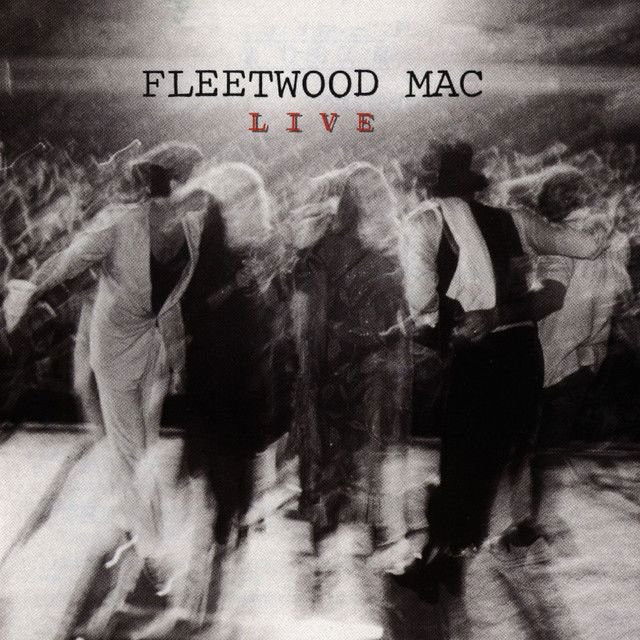
Why 'I'm So Afraid' Feels So Exposed
The meaning of I'm So Afraid Fleetwood Mac starts with a simple idea: this is a song about fear that will not leave. It sounds deeply personal, but it also reaches beyond private sadness. Lindsey Buckingham later said the song dealt with the tension between confidence and fear in the entertainment world, the "yin-yang" of believing they have something to offer while still feeling anxiety underneath that belief. That context helps explain why the song feels both intimate and larger than life.
"I'm So Afraid" - Fleetwood Mac
All the years
So many ways to count the tears
Loading lyrics...
Unable to load lyrics
We're unable to display the lyrics at this time. Please try again later.
A Dark Center Beneath the Album
"I'm So Afraid" closes Fleetwood Mac's 1975 self-titled album, the record that introduced Buckingham and Stevie Nicks into the band's classic lineup. According to available release details, the song was written earlier, during the Buckingham Nicks period, and then carried into Fleetwood Mac's sessions for the 1975 album. It was written by Buckingham and produced by Fleetwood Mac with Keith Olsen.
That background matters. The song came from a period before the band became a global pop-rock machine. Because of that, it feels less polished for radio emotion and more like a direct confession. Critics have often heard it as one of Buckingham's darkest songs, and that description fits. It is heavier, gloomier, and more stripped to the nerve than much of the album around it.
Watch the official I'm So Afraid
music video
What the Lyrics Are Really Saying
On the page, the lyrics are plain, almost stubbornly plain. The speaker says they have been alone
for years and suggests a life marked by tears, isolation, and emotional repetition. The repeated line I never change
matters because it turns pain into a trap. This is not fear about one bad day. It is fear that has become part of identity.
The title phrase, I'm so afraid
, is also more complex than it first appears. Interpretation: they are not just afraid of outside events. They are afraid of their own inner life, especially the intensity of emotion they cannot control. When the lyric points to the way I feel
, the song shifts from circumstance to psychology. The danger seems to come from within.
Images of Weather, Night, and Collapse
The song uses a few stark images rather than a long story. Days arrive when both comfort and clarity are gone. The line about the world turning black as night
gives the song its emotional weather. It is not just sadness; it is total dimming, the loss of warmth and direction.
Then the song moves toward collapse. The image of slipping and falling suggests a person who no longer trusts their footing. Interpretation: this can be heard as emotional breakdown, career anxiety, or even stage fright turned into poetic drama. The words are broad enough to support all three readings, which is part of why the song lasts.
Days when the rain and the sun are gone
Black as night
Even in this brief passage, the song compresses a whole mood. Rain and sun are opposite kinds of weather, yet both are absent. That means the speaker is beyond ordinary ups and downs. They are stuck in emptiness.
Lindsey Buckingham's Own Clue
Buckingham gave listeners an important key when he explained that the song addressed confidence mixed with fear in the entertainment industry. That statement does not erase other meanings, but it does sharpen them. Suddenly the repeated loneliness sounds like the isolation of an artist trying to prove themselves. The dread sounds like the fear of failure, exposure, or not being enough.
This reading is especially convincing because Buckingham reportedly worked on the song for years before Fleetwood Mac recorded it. It was also originally intended for a second Buckingham Nicks album that never happened. A long-gestating song about insecurity makes sense in that setting. They were trying to break through, and the song captures the cost of that pressure.
How the Music Makes the Fear Real
A big part of the meaning of I'm So Afraid Fleetwood Mac comes from the arrangement. Though often described as hard rock, the studio version is not fast or flashy. It builds tension slowly. Buckingham's vocal sounds pinched and vulnerable, as if they are holding themselves together while singing.
The instruments deepen that mood. Buckingham played electric and acoustic guitars, with Christine McVie on keyboards, John McVie on bass, Stevie Nicks on backing vocals, and Mick Fleetwood on drums and gong. That last detail is not trivial. Recording accounts describe a huge gong sound that made the track feel eerie and physical, almost like dread echoing through a room.
The guitar work is the song's emotional engine. Mick Fleetwood once recalled that Buckingham spent years refining the guitar harmonies until they sounded like their own orchestra. That helps explain why the track feels so haunted. The guitars are not there just to decorate the lyric. They act like the fear itself, circling, rising, and finally exploding.
Why the Live Version Changed the Song
Over time, "I'm So Afraid" became one of Buckingham's signature live showcases. Producers and commentators have noted that the studio take is relatively mellow compared with the harder, faster stage versions. Live, the song often stretches into a long solo, turning private anxiety into public release.
That shift is meaningful. In the studio, the song sounds trapped. Onstage, it sounds confronted. The fear is still there, but the guitar solo gives it motion and force. What begins as paralysis becomes struggle, and struggle becomes expression.
The Best Way to Read the Ending
In the end, the song does not offer healing or neat closure. That is part of its power. It stays inside dread instead of solving it. Interpretation: listeners can hear it as a portrait of depression, a statement about artistic insecurity, or a broader meditation on living with dark emotions that never fully disappear.
What makes it memorable is how directly it says that truth. Few Fleetwood Mac songs are this bare, this tense, or this willing to sit with fear.
Disclaimer: This interpretation combines documented artist comments with critical reading of the lyrics and sound. Song meanings can remain open, and different listeners may hear something else in it.







