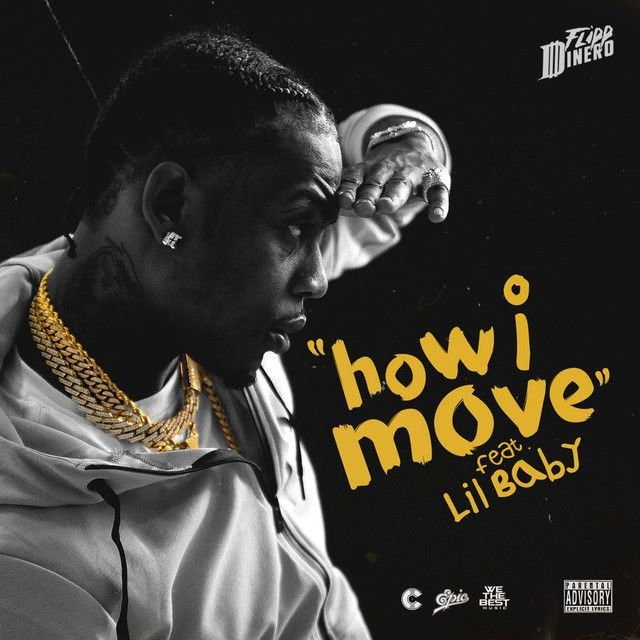
Why 'How I Move' Feels Like a Survival Manual
The meaning of How I Move Flipp Dinero, Lil Baby comes down to one big idea: success changes the way they have to live. This is not just a victory lap. It is a song about money, visibility, and the pressure that comes when other people start studying every step.
"How I Move" - Flipp Dinero ft. Lil Baby
I really run it up, yeah
I really run it up, yeah
Loading lyrics...
Unable to load lyrics
We're unable to display the lyrics at this time. Please try again later.
Released on Love for Guala in 2019, the track paired Brooklyn rapper Flipp Dinero with Lil Baby at an important moment in Dinero’s rise. Flipp Dinero had already broken through with “Leave Me Alone,” his 4× Platinum hit, and Love for Guala became his debut studio album (Wikipedia). In that context, “How I Move” sounds like a mission statement: they are explaining how they operate once fame and danger meet.
The Real Message Hiding in the Flexes
On the surface, the song is full of rap staples: cash, jewelry, cars, and status. But beneath that, it keeps returning to discipline. When Flipp Dinero insists I really run it up
, they are not only bragging. They are saying their rise is active, intentional, and earned.
That matters because the song repeatedly ties money to labor. They talk about stacking, proving themselves, and putting their name on what they built. In plain terms, they want listeners to hear ownership. Their success is not luck; it is identity.
Interpretation: The flexing works like armor. Every mention of wealth is also a defense against the memory of scarcity. Reporting on the song notes that it reflects Dinero’s experience growing up in Canarsie and speaking from a lower-income background (Wikipedia). That makes the boasting feel rooted in survival, not just vanity.

Watch the official How I Move
music video
Why the Hook Feels So Tense
The chorus is simple, but it carries the song’s real weight. When they repeat they watch how I move
, they turn success into surveillance. Other people are paying attention, and that attention is not always admiration.
There are at least three layers to that line:
- people admire their rise
- rivals study their habits
- the culture copies their style
Because of that, movement becomes strategy. They cannot be casual. They have to think about how they talk, where they go, and who changes around them.
They watch how I move
They watch how I move
That repetition feels almost paranoid by design. It mirrors the mental loop of someone who knows fame brings eyes, envy, and risk.
Flipp Dinero’s Verse: Success With No Room to Relax
Flipp Dinero’s writing keeps mixing confidence with caution. He talks about people trying to copy his style, women answering his calls, and former allies who can switchin' up
. Those details create a world where status attracts both loyalty and fake love.
He also frames himself as someone who cannot afford mistakes. When he says he has “too much to lose,” the song shifts from celebration to pressure. They are no longer just trying to make it; they are trying to keep what they earned.
Interpretation: This is why the track feels harder than a basic club song. The energy is triumphant, but the mindset is defensive. Even the glamorous images are surrounded by motion, watchfulness, and suspicion.
Lil Baby’s Verse Adds the Street-Level Edge
Lil Baby pushes that same message into a colder lane. His verse is heavy on luxury details, but it also stresses equipment, pursuit, and consequences. When he says he was made for this shit
, they frame the hustle as destiny, not performance.
That line fits Lil Baby’s public persona from that era: a rapper who often blended success talk with sharp reminders of where he came from. On this track, his verse makes the song feel less like a diary and more like a code. The message is simple: movement is survival, and survival requires readiness.
His presence also broadens the record commercially. Flipp Dinero came from Brooklyn with a melodic trap style; Lil Baby brought Atlanta momentum and a more urgent delivery. Together, they make the song feel bigger than one neighborhood story.
How the Production Supports the Meaning
The beat gives the song much of its power. It sits in a modern trap pocket: heavy low end, crisp drums, and enough empty space for the rappers to sound commanding. That space matters. It makes each repeated phrase land like a warning.
Rather than sounding emotional or reflective, the production stays cool and controlled. That supports the song’s core idea. They are not unraveling; they are calculating.
There is also a cinematic quality in the arrangement. The beat loops in a way that feels relentless, almost like driving through the same blocks while staying alert. That matches lyrics about movement, pursuit, and being watched. The record does not wander emotionally because the artists do not want to sound distracted.
Flipp Dinero Context Makes the Song Clearer
Understanding Flipp Dinero helps explain why “How I Move” hits the way it does. He is best known for “Leave Me Alone,” which reached No. 20 on the Billboard Hot 100 and became a major breakthrough (Wikipedia). “How I Move” itself later earned Platinum certification and peaked at No. 6 on the Bubbling Under Hot 100 chart (Wikipedia).
The album title Love for Guala matters too. “Guala” is a recurring Flipp Dinero motif with personal meaning in his catalog, not just a slang term for money (Wikipedia). So when this song talks about cash and stacking, it fits a larger artistic identity.
Final Take on the Song’s Meaning
The meaning of How I Move Flipp Dinero, Lil Baby is not just that they are rich or successful. It is that success has taught them to live carefully, protect what they built, and treat movement as a form of power.
Interpretation: The song works best as a portrait of rap success after the breakthrough moment. Winning is real, but so are the eyes, pressure, and danger that come with it.
Disclaimer: This interpretation is based on the song’s lyrics, performance, and publicly available artist context. Like any song, its meaning can vary from listener to listener.









