Why 'Loco in Acapulco' Feels So Restless
The meaning of Loco in Acapulco Four Tops goes deeper than its bright, beach-party surface. On first listen, it sounds like a fun travel song built for dancing. But underneath that glossy groove, the lyrics tell a warning story about temptation, emotional escape, and the regret that follows when someone mistakes fantasy for real freedom.
"Loco in Acapulco" - Four Tops
If you stay too long
Yes, you'll be going loco down in Acapulco
Loading lyrics...
Unable to load lyrics
We're unable to display the lyrics at this time. Please try again later.
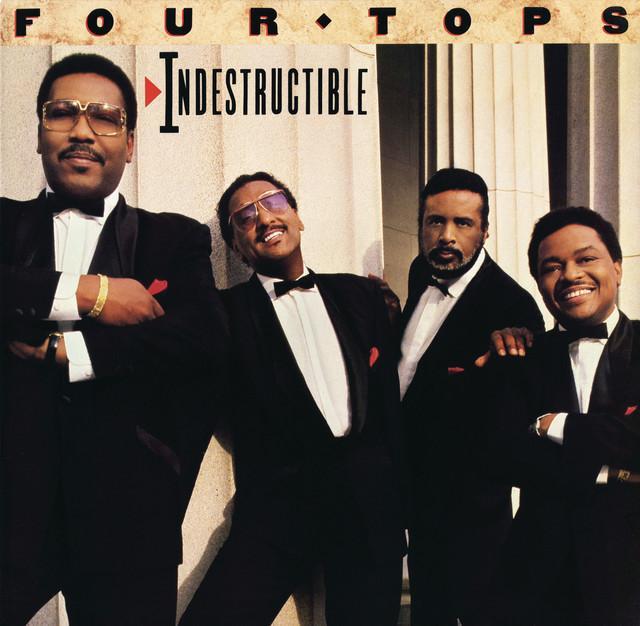
Released in 1988, the song was recorded by the Four Tops for the film Buster and later appeared on their album Indestructible. It was written and produced by Phil Collins and Lamont Dozier, with Collins also playing drums and singing backing vocals, according to the song’s documented credits (Wikipedia; Songfacts). That mix of Motown history and late-1980s pop polish is a big part of why the track still stands out.
A sunny song with a darker center
At its core, the song describes a person pulled toward a place that promises pleasure but ends in emotional chaos. The hook, going loco
, is not just playful slang. It signals loss of control.
The city in the title works like more than a map point. Acapulco becomes a symbol of heat, romance, nightlife, and false escape. The lyrics suggest that if someone stays inside that dream too long, they will stop thinking clearly and start feeling trapped by desire, memory, and loneliness.
Interpretation: The song is less about tourism than about emotional risk. It frames paradise as something that can seduce, then punish.

Watch the official Loco in Acapulco
music video
The hidden story inside the verses
The verses unfold like a warning told to another person. The singer speaks in second person, almost like a friend trying to stop someone from making a bad choice. Early lines describe pressure building fast, with phrases like back's against the wall
and love is gaining on you
. That language turns romance into pursuit.
From there, the song shifts from attraction to fallout. It imagines a person who thought they were chasing excitement but instead ends up with emptiness. The image of search for paradise
is key. Paradise sounds perfect, but the song says that search may end in disappointment when fantasy breaks apart.
That is why the chorus hits harder each time. It is catchy, but it also sounds like a repeated warning siren.
When memory becomes the real prison
The most emotional section is not about dancing or nightlife. It is about what happens after the escape fails. The lyrics dwell on missing a woman, replaying her voice, and realizing too late what was left behind.
You'll be haunted by her face
Missing her warm embrace
This brief passage shows the song’s real ache. The danger is not just lust or partying. It is memory. Once the person leaves love behind, they cannot outrun it.
Interpretation: Acapulco may represent a physical getaway, but the real conflict is internal. The character is trying to escape commitment or emotional vulnerability, only to discover that memory travels with them.
Why the upbeat sound matters
One reason the track works so well is its contrast. Musically, it feels energetic, colorful, and almost celebratory. The rhythm drives forward, the horns add shine, and Levi Stubbs sings with his usual commanding force. Personnel listings also show a strong studio team, including Paul Riser on horn and string arrangements and notable session guitarists such as David Williams, Michael Landau, and Paul Jackson Jr. (Wikipedia).
That bright arrangement creates tension with the lyric. The music says party; the words say warning. This split is central to the song’s effect. It captures how temptation often arrives in attractive packaging.
Phil Collins’ involvement also matters. According to Songfacts, he wrote the lyrics overnight on the Mexican set of Buster after Lamont Dozier brought in the music, and he chose not to sing the song himself because he wanted to be seen as an actor in the film rather than a singer in that scene (Songfacts). That background helps explain the track’s cinematic quality: it feels like a story in motion, not just a groove.
Four Tops context gives it extra weight
The Four Tops were already legends by the time they recorded this song, and Lamont Dozier had deep history with them from the Motown era. That reunion gives the song an extra layer. Even in a late-1980s production style, their sound still carries emotional authority.
The record also had strong chart life outside the U.S. It reached No. 7 in the UK and No. 9 in the Netherlands, while earning a Silver certification in the UK, according to chart data and certification listings (Wikipedia). That success makes sense: it is accessible on the surface, but rich enough to reward closer listening.
So what does the song finally mean?
The meaning of Loco in Acapulco Four Tops is the danger of confusing escape with happiness. The song says that a glamorous place, a thrilling romance, or a rush of freedom can feel magical at first. But if someone uses those things to avoid love, honesty, or commitment, the result may be regret.
Its smartest trick is that it never sounds heavy-handed. Instead, it wraps heartbreak inside an irresistible groove. That is why the song lasts: they can dance to it, but they can also hear the warning inside it.
Disclaimer: This interpretation combines documented facts about the song with close reading of the lyrics. As with any song, listeners may hear different meanings.








